Eastern Sierra Milky Way
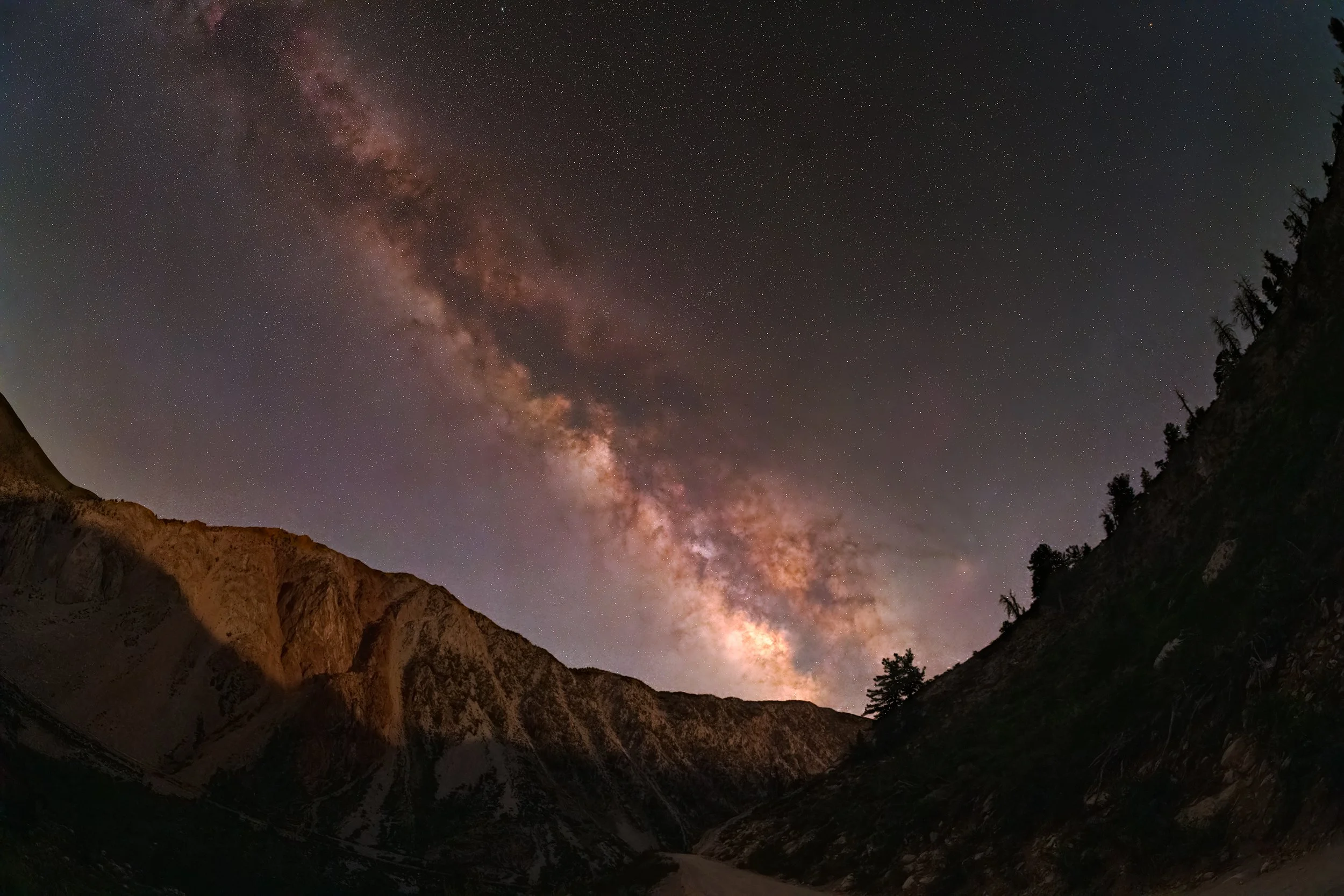
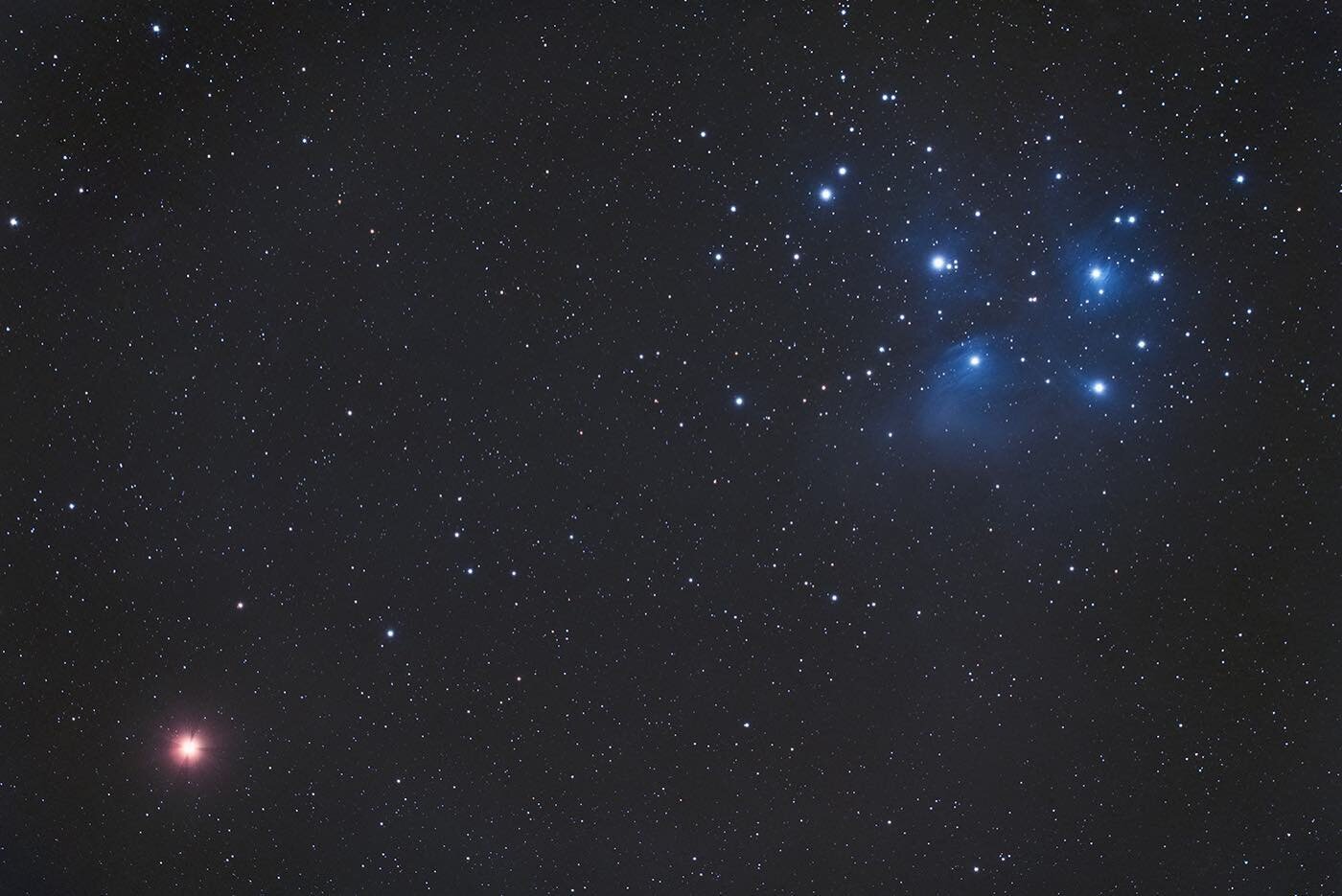
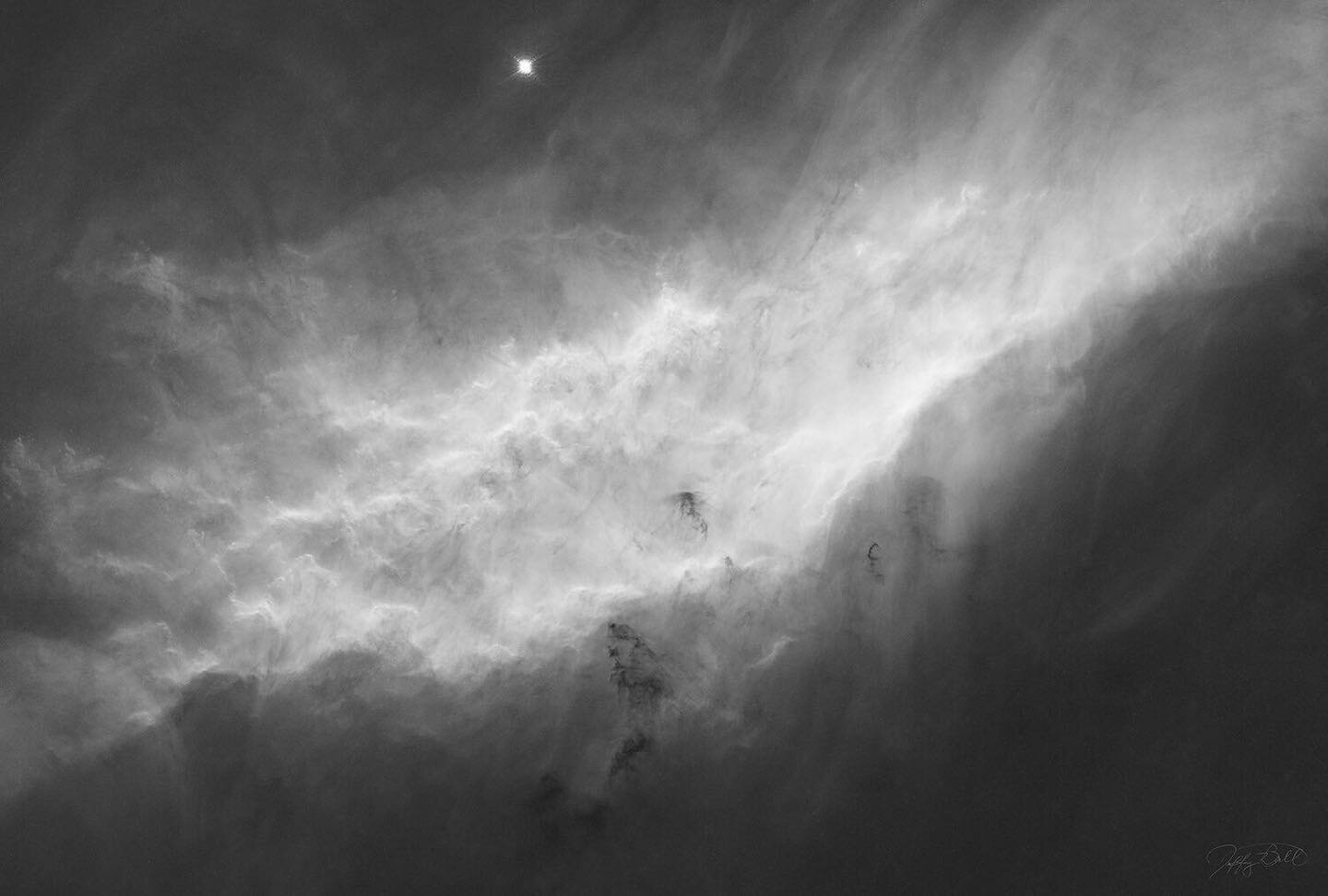
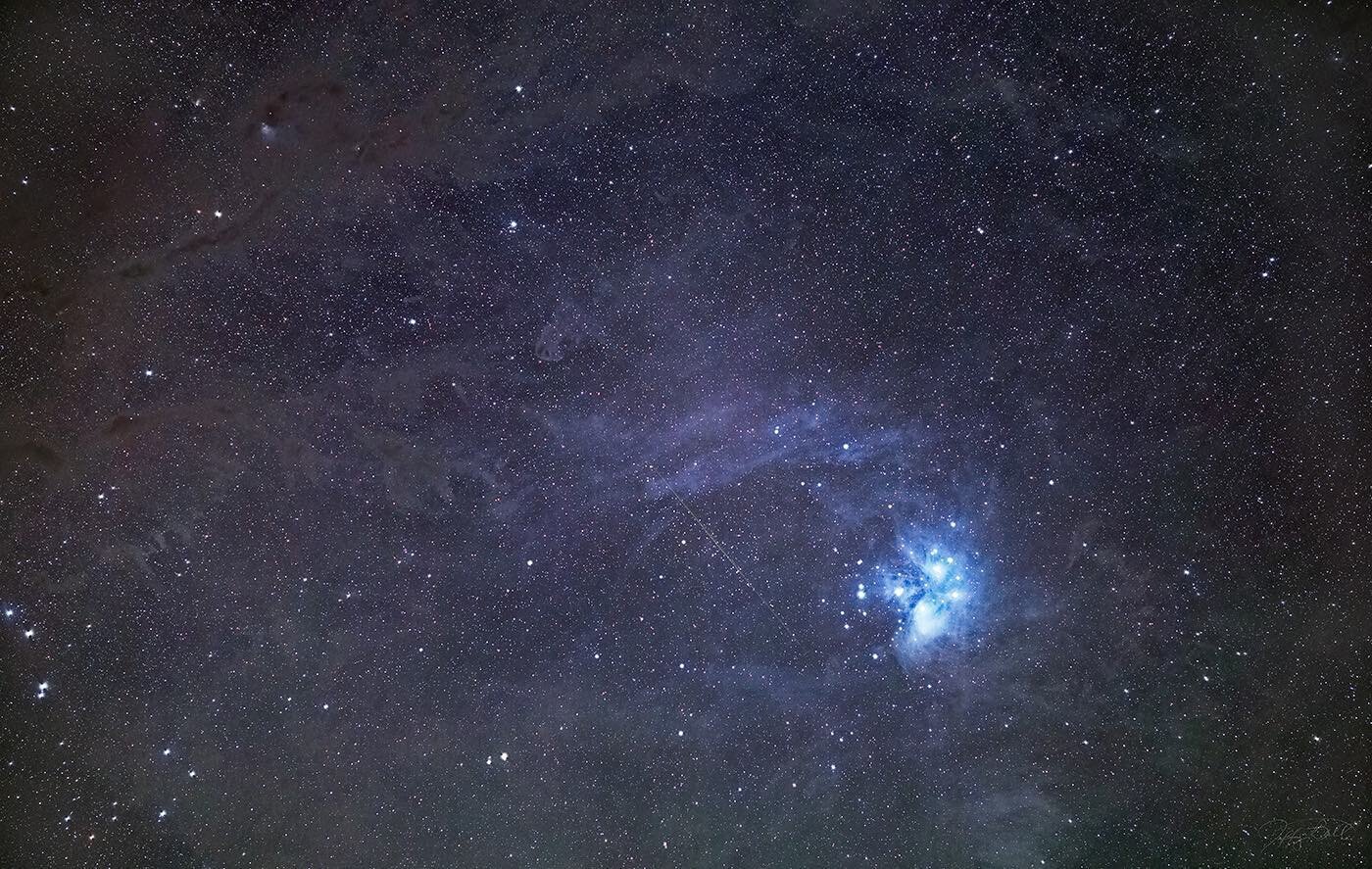
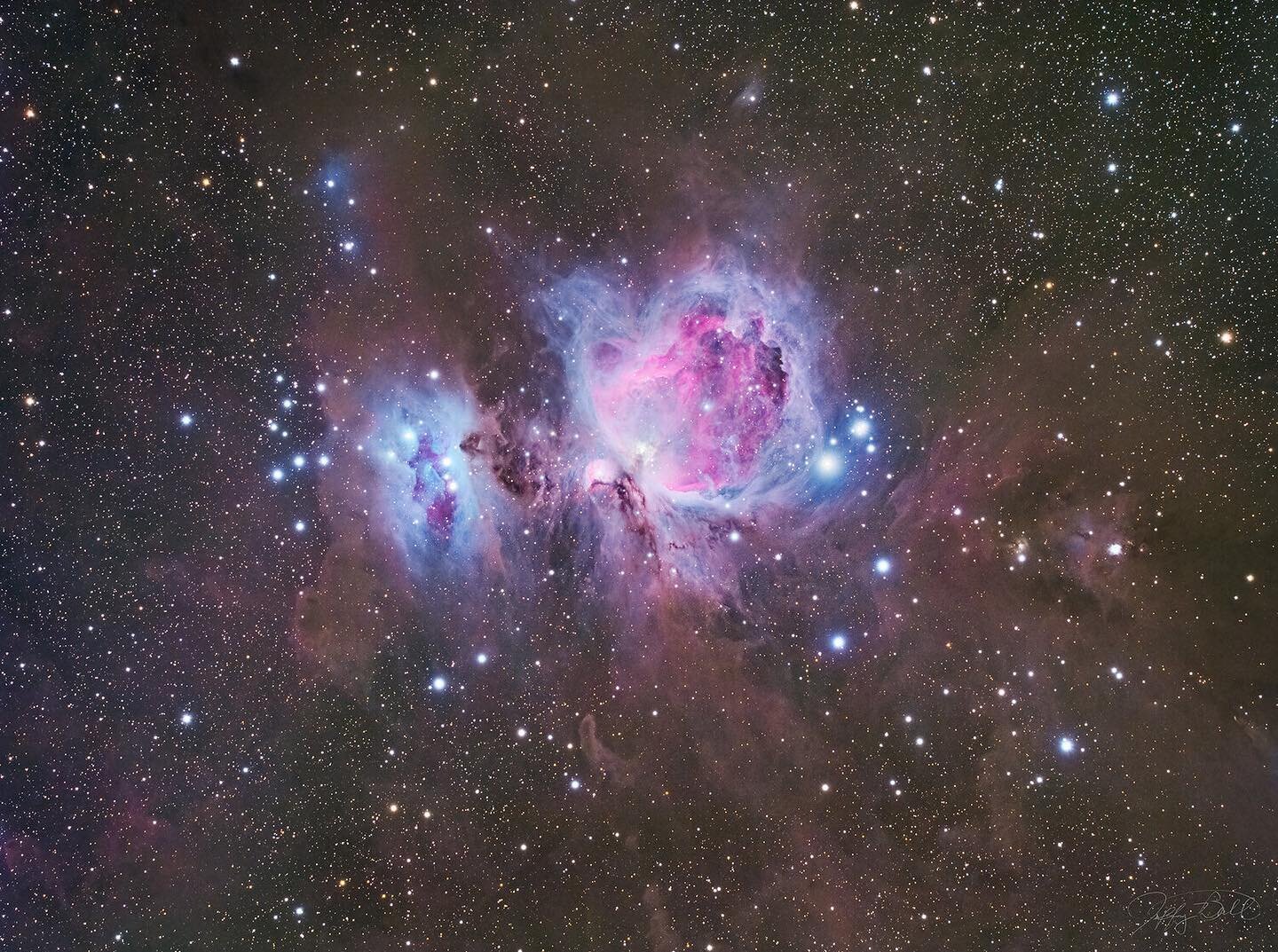
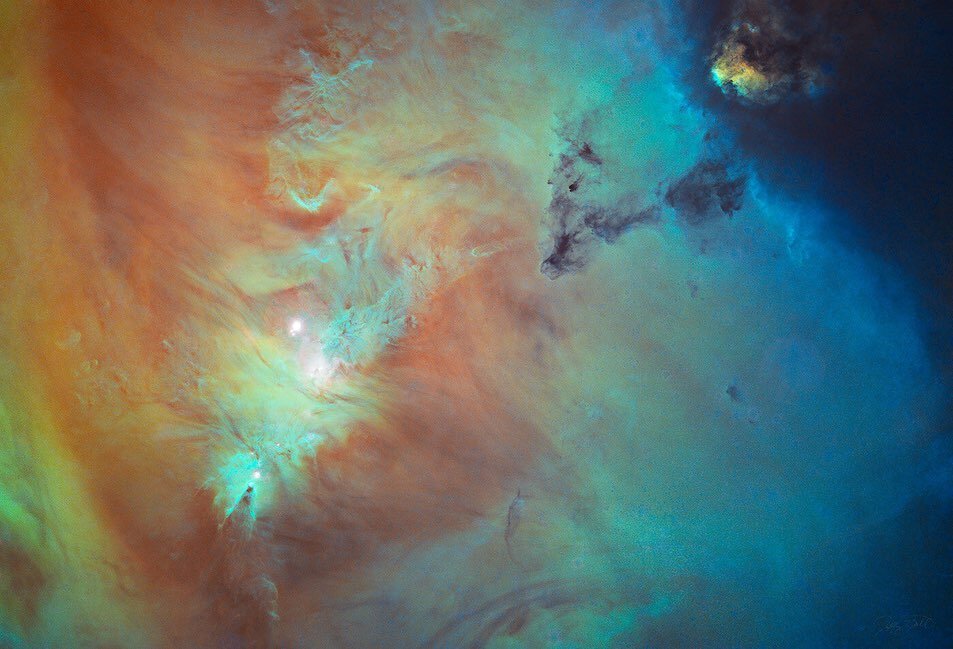
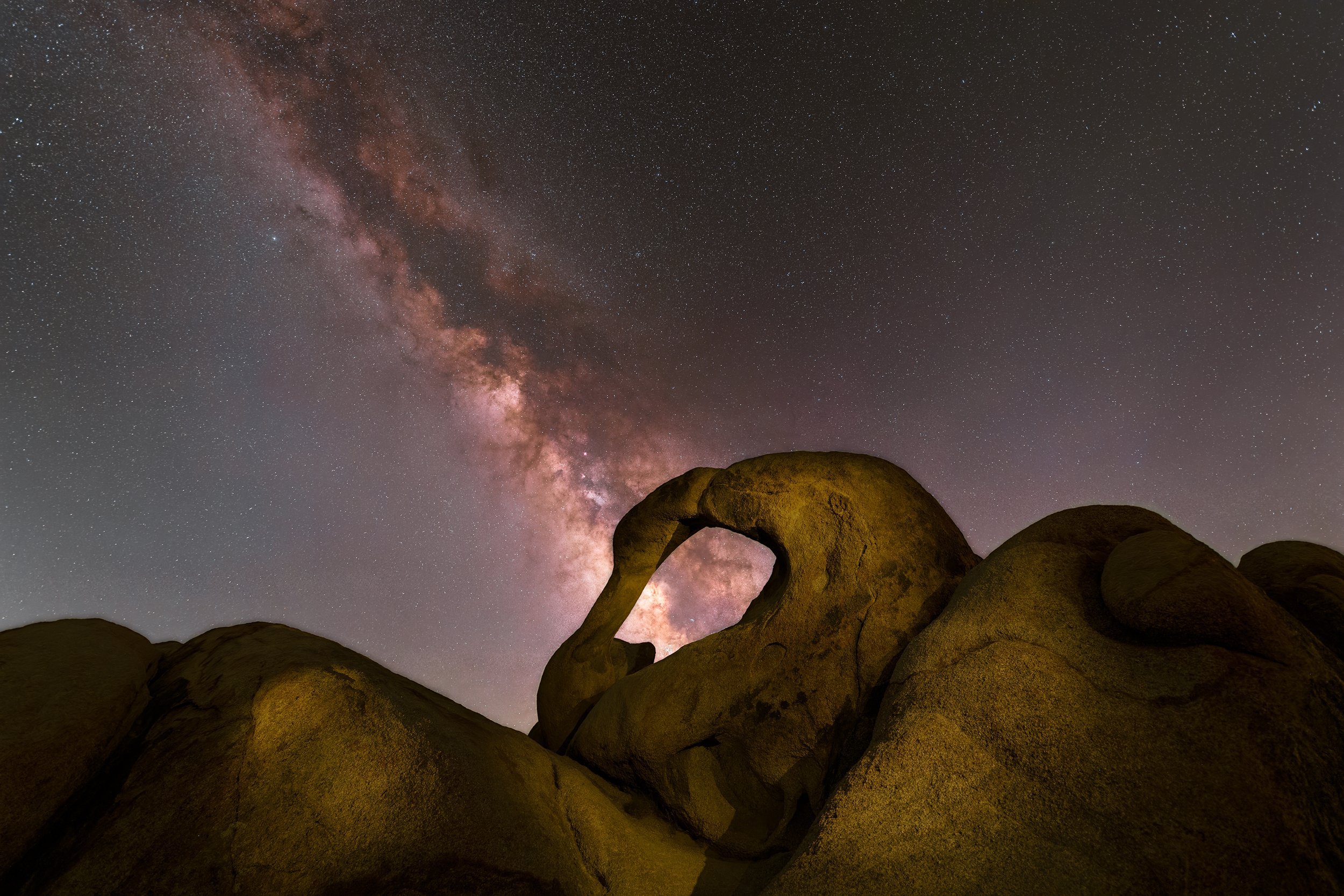
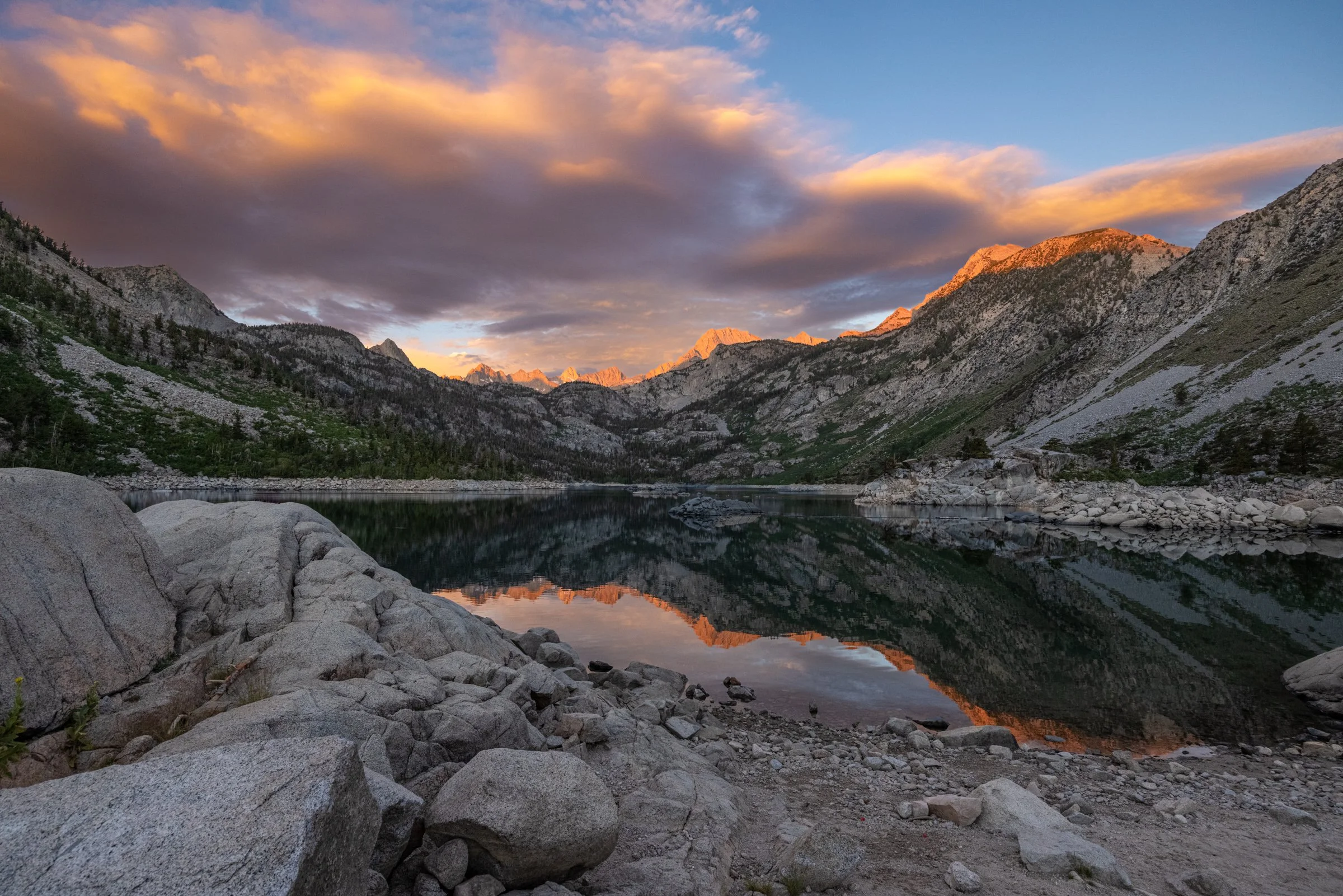
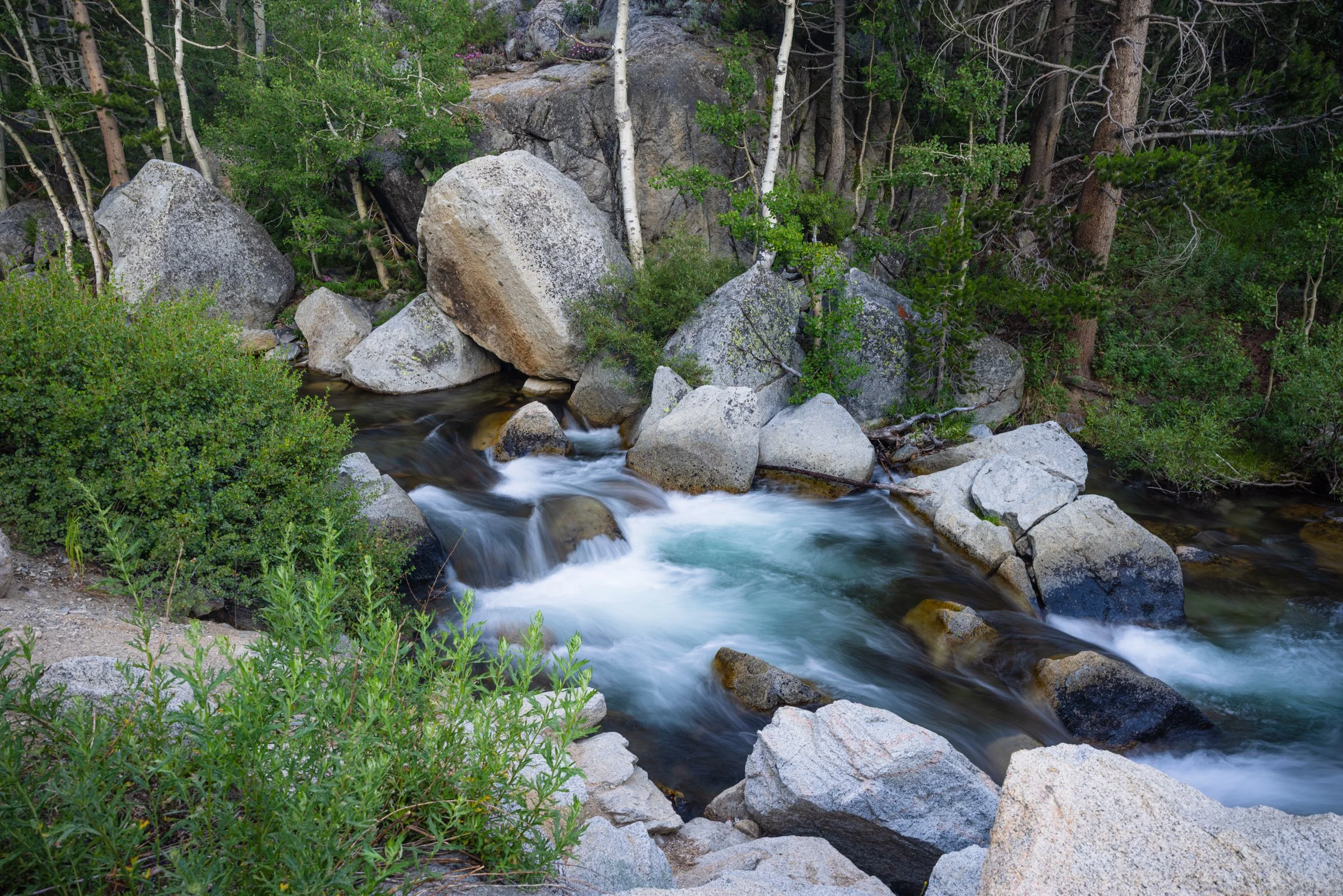
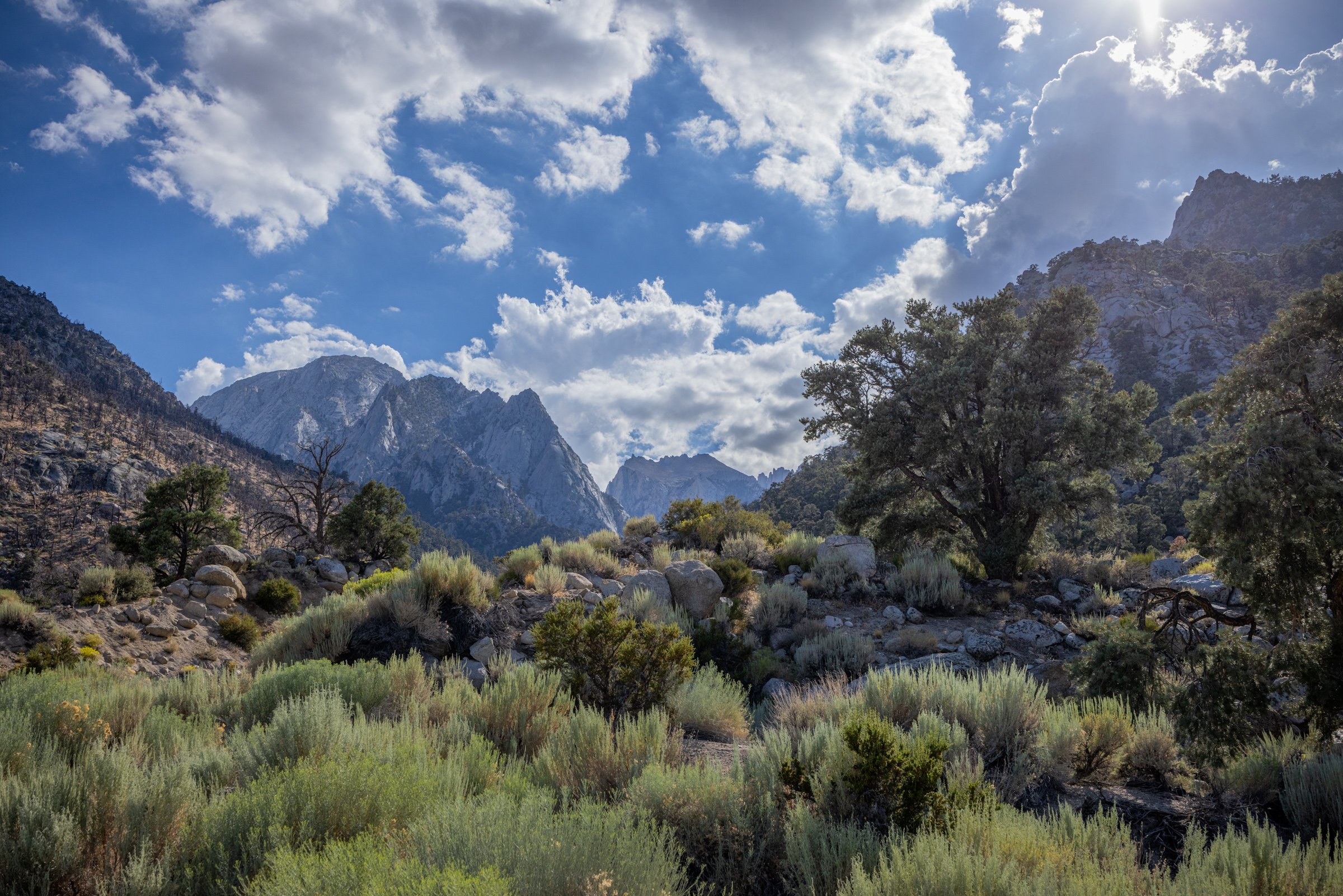
I LOVE California! The landscape and Milky Way in the landscape photographic opportunities are endless. I was able to scoot over to the Bishop/Lone Pine area after a meeting in Las Vegas for a long weekend. Please check out the video for a good feel for the trip. The images are below.
A bunch of updates….
I have been too busy to update the website….so here is the latest update on many fronts. I need to incorporate AI into my workflow to be more efficient.
AHSP and Milky Way Image Featured in National Geographic
About 2 weeks ago I received an email requesting use of any images I may have for 10 star parties to be featured in an upcoming story on the National Geographic website.
Of the star parties being featured, I had only attended 1…the ALMOST HEAVEN STAR PARTY! My local star party being featured by National Geographic as one of the best places in North America to see the Milky Way! The other star parties being mentioned were Grand Canyon, Rocky Mountain, Bryce Canyon, Nebraska, Oregon, Alberta, Glacier, Starfest (Ontario), Maine, and Fundy (New Brunswick).
Here is a link to the article (you may have to work around some pop ups and sign up for Nat Geo newsletter to see the article)
These Summer Star Parties off the best views of the Milky Way this summer
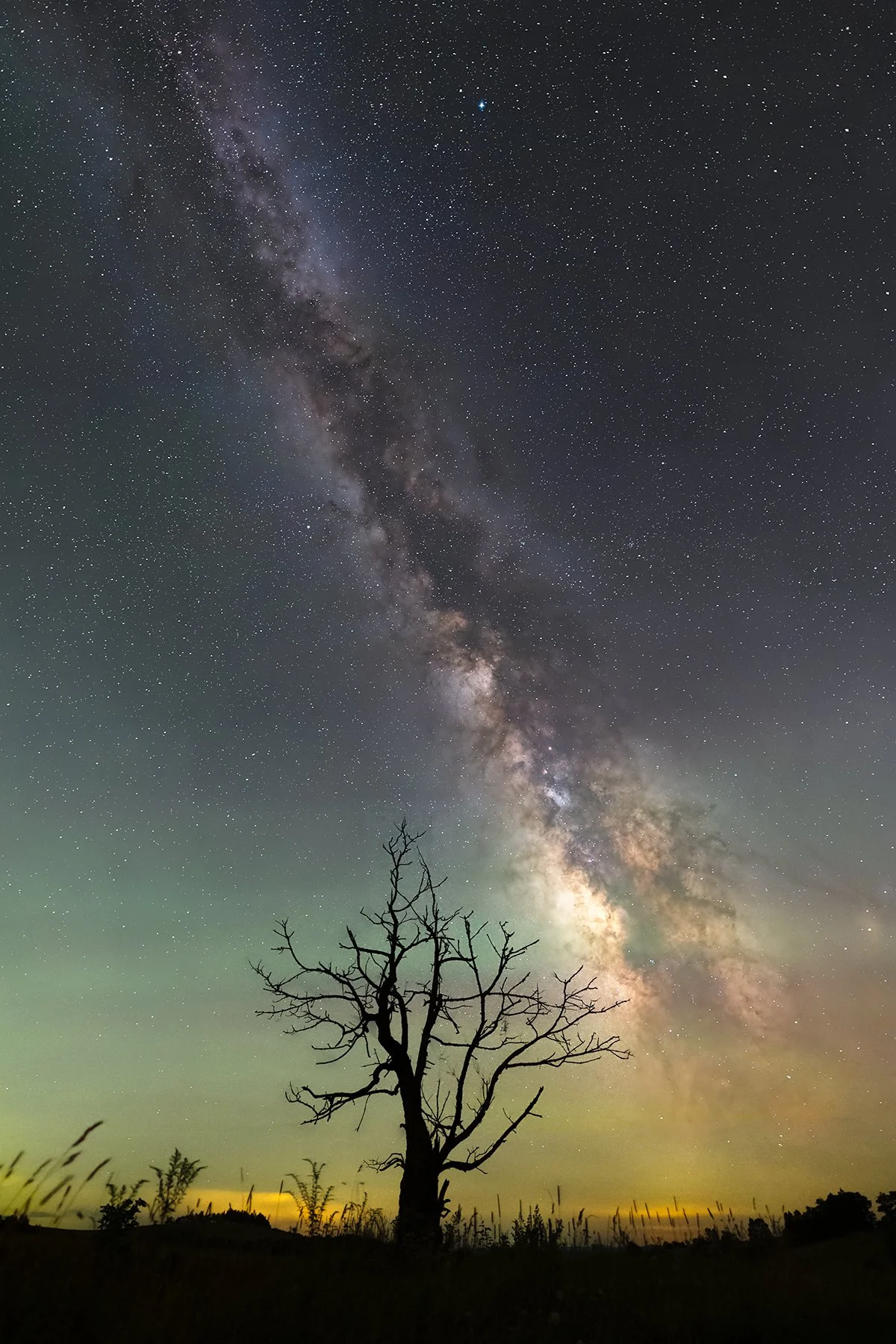
I submitted about 10 images from the AHSP and the writing team selected the image below the for story. The images selected for the story is below…Milky Way Tree 2025.
Milky Way Tree at AHSP 2025
Herschel 400 Electronic Observing Program now over 50% complete!
As of today (June 6, 2026) I have 226 Herschel Objects Observed and I have posted images on the webpage linked below of 152 objects. I updated my image catalogue to include noise reduction and plate solving within Pixinsight. This takes a bit more time to prepare the images for posting to the webpage. But the images look great this way! Nearly all of my observations are being live streamed on YouTube. I am now using my backyard setup as a supplement to the Texas remote telescope. The setups are covered extensively in the videos. Both feature Astro-Physics refractors. The backyard setup is being prepared for deployment to a remote observatory. Here is the link to the Herschel 400 webpage for more information.
Herschel 400 Electronic Observation
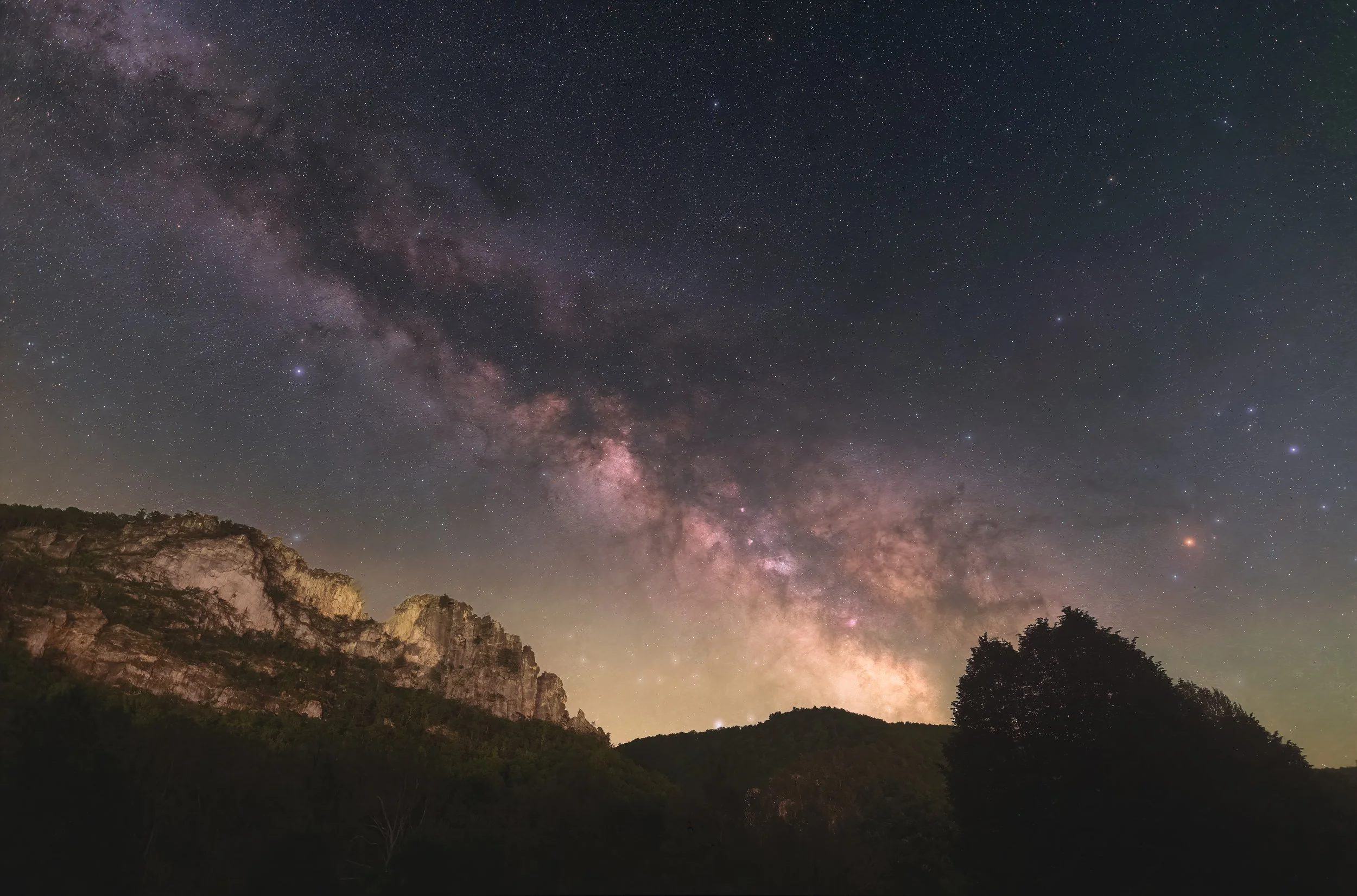
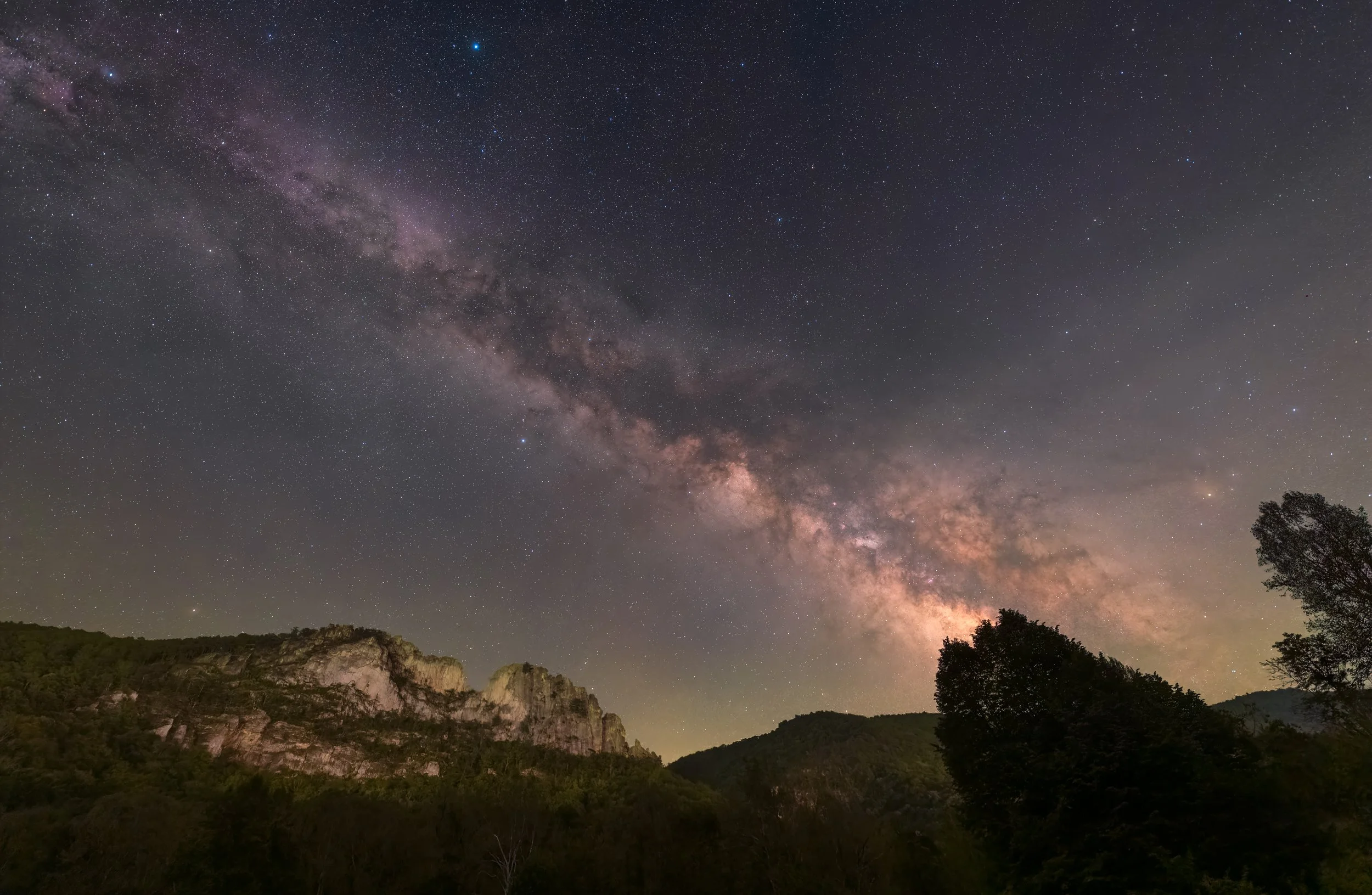
Milky Way Rising over Seneca Rocks, WV
During the May New Moon, I was able to visit one of my favorite Spring locations, Seneca Rocks National Recreation Area. I have been visiting this location for 10 years trying to capture the rising Milky Way. This year was the best weather I have had for my opportunity. It wasn’t perfect, but it was really nice. I was able to use 3 cameras and 2 new lenses. The new lenses were the Sigma 14mm f1.8 ART and a new fisheye 6mm strHori f2.8.
Astrobin links for images
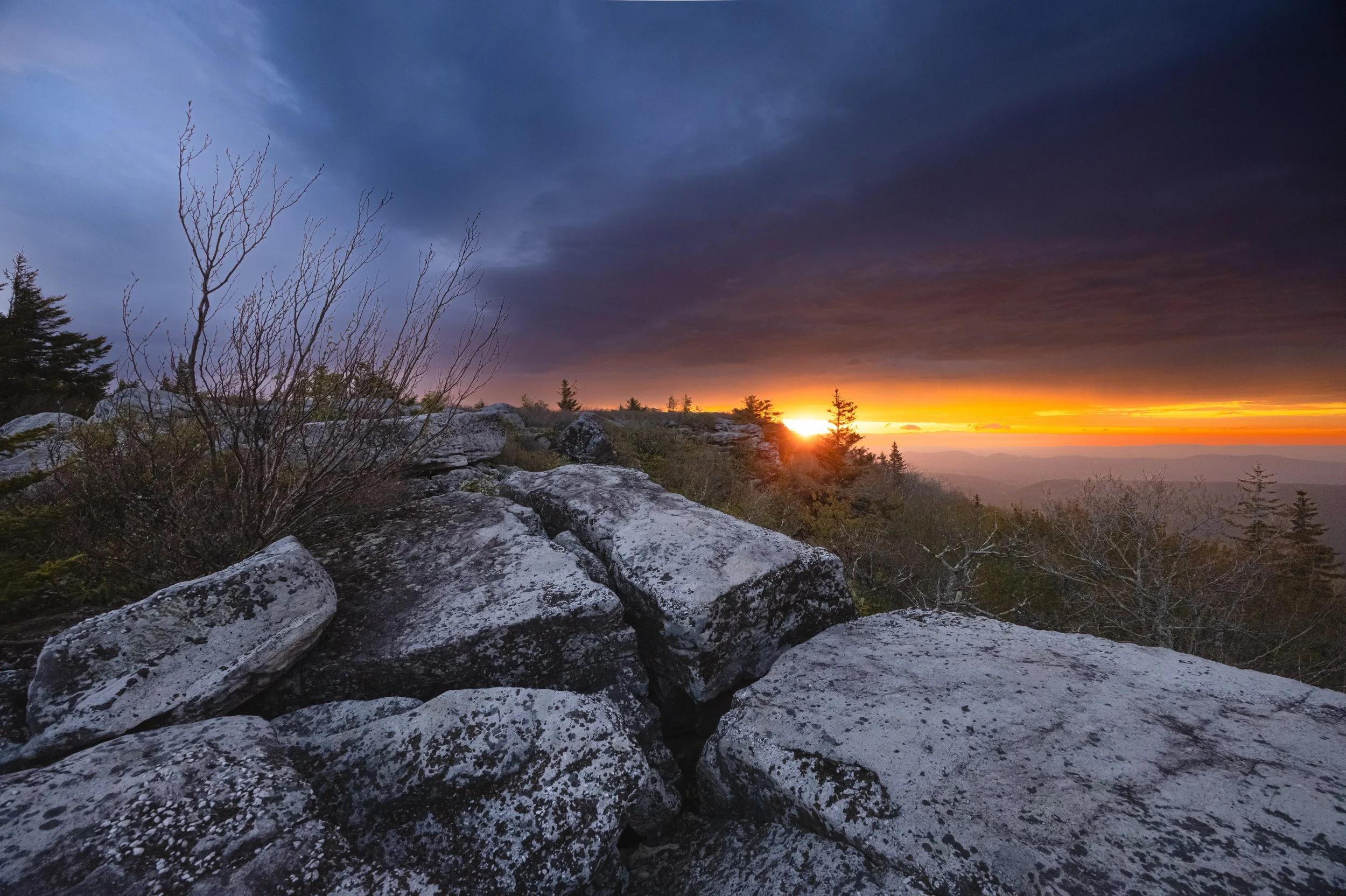
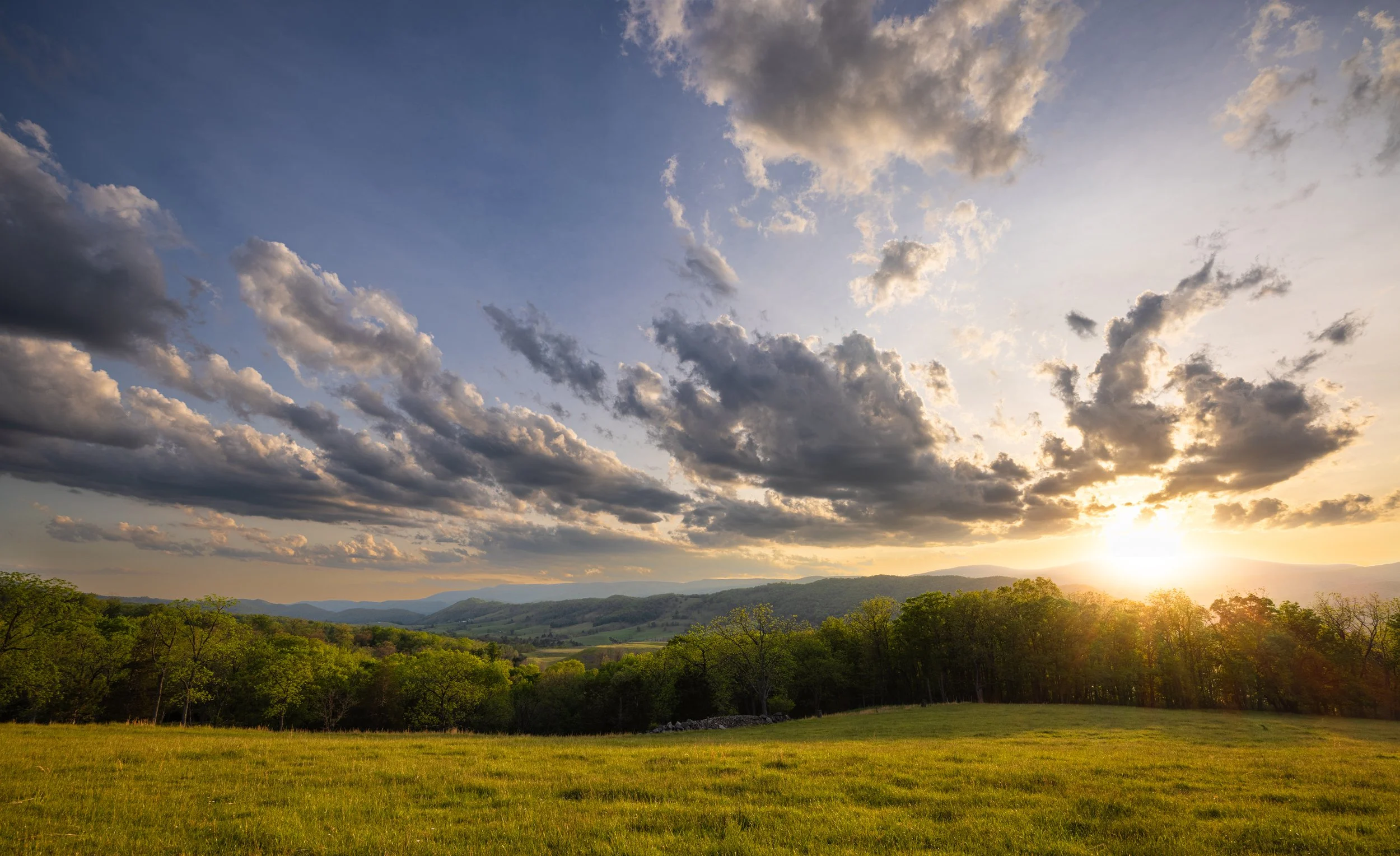
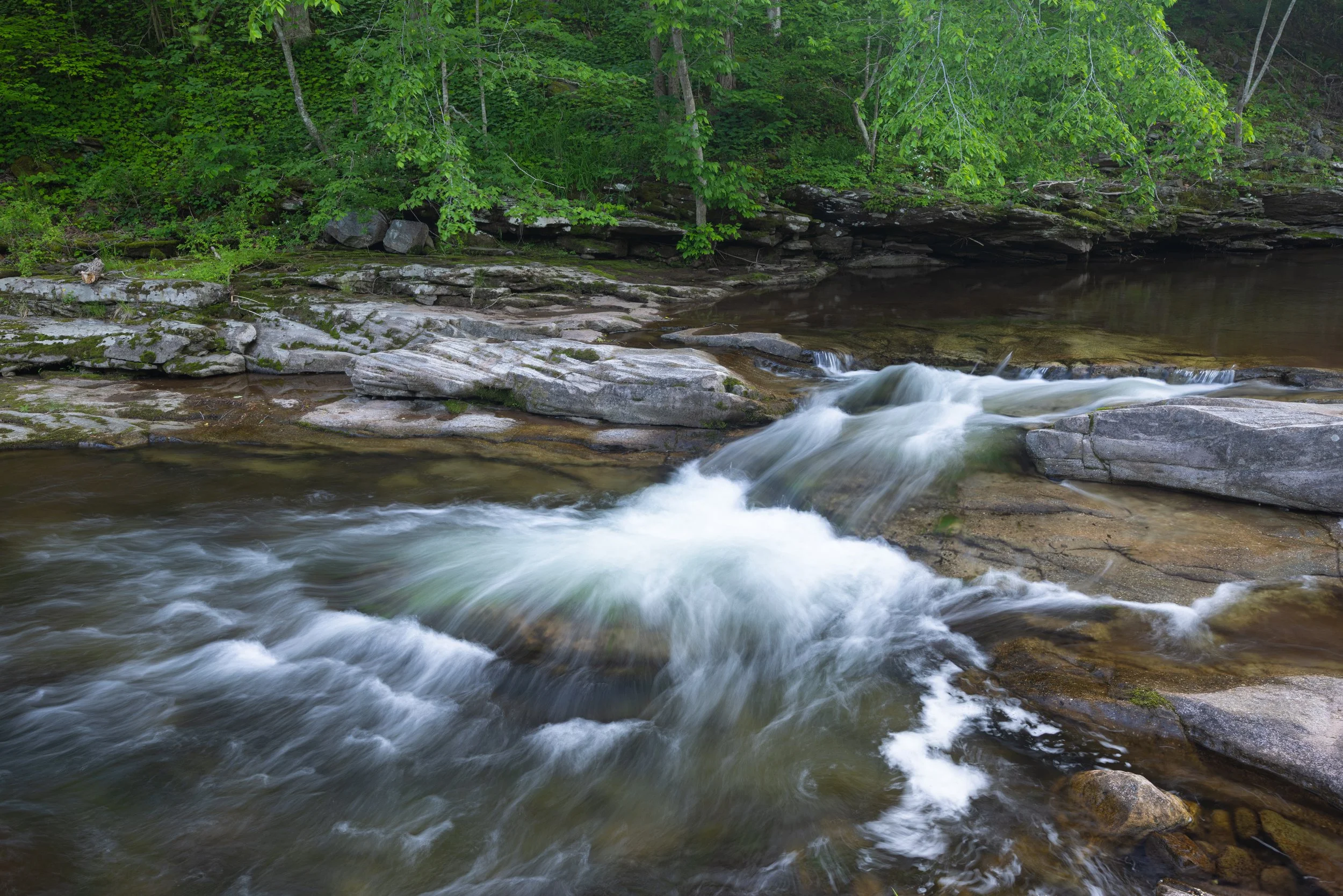
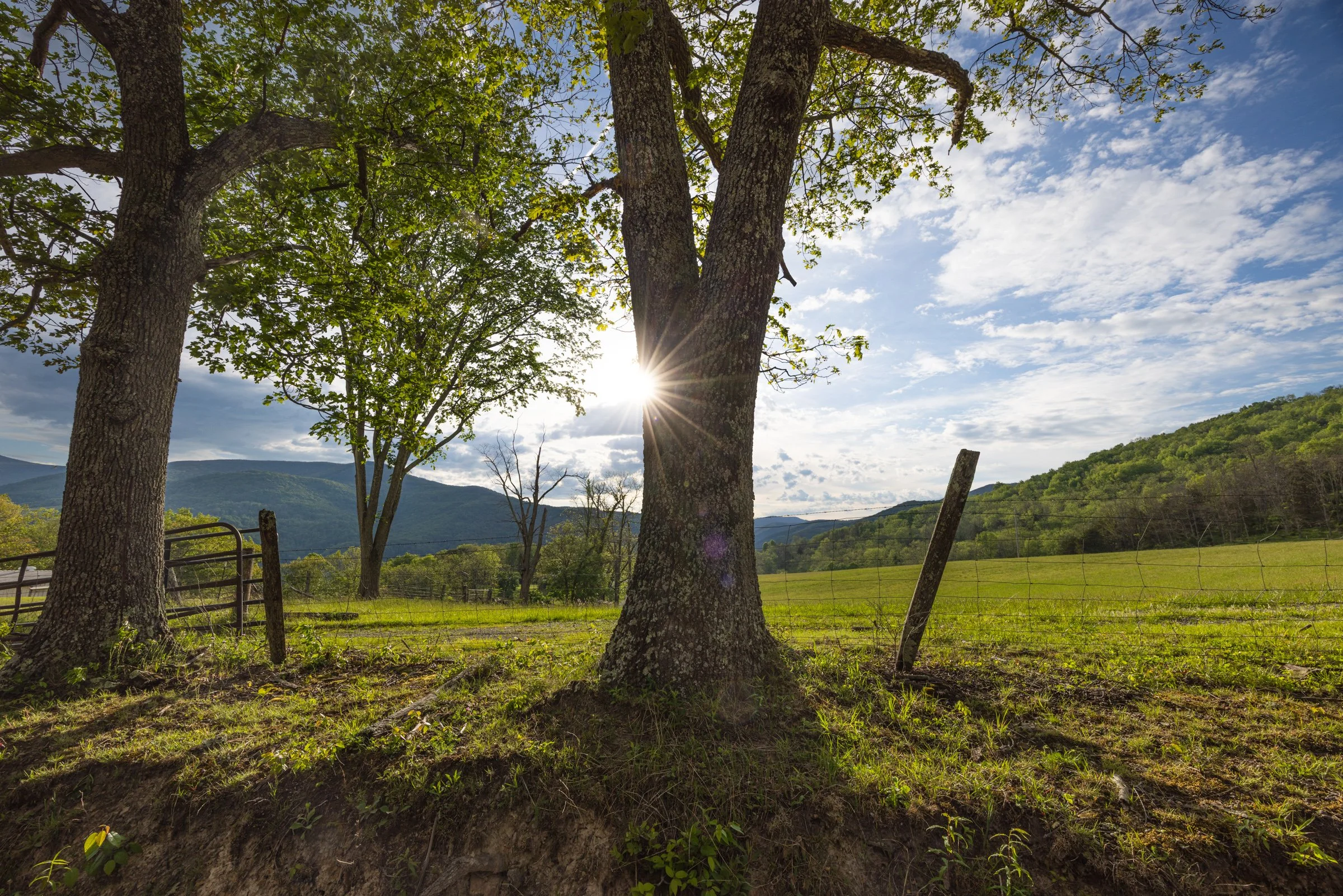
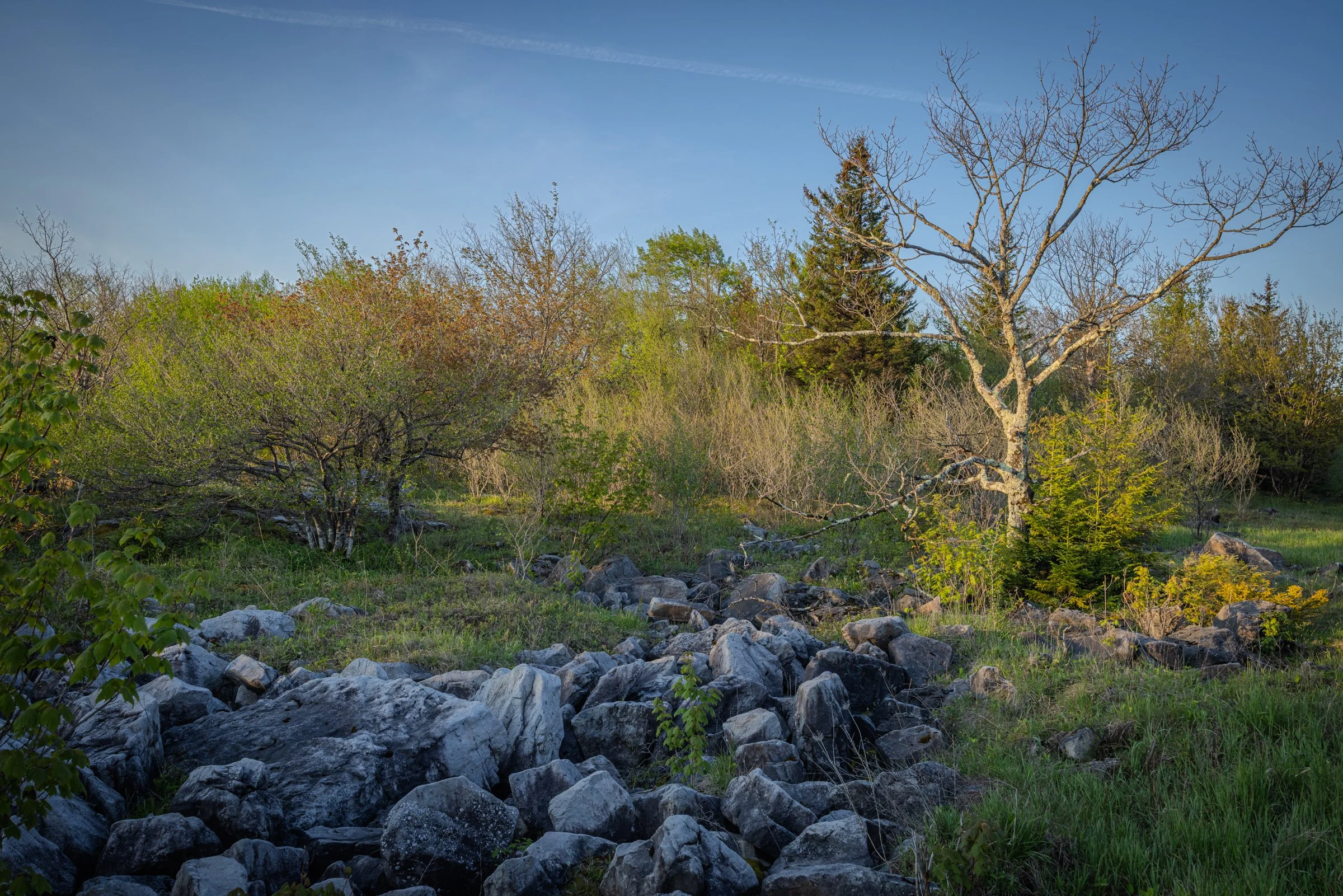
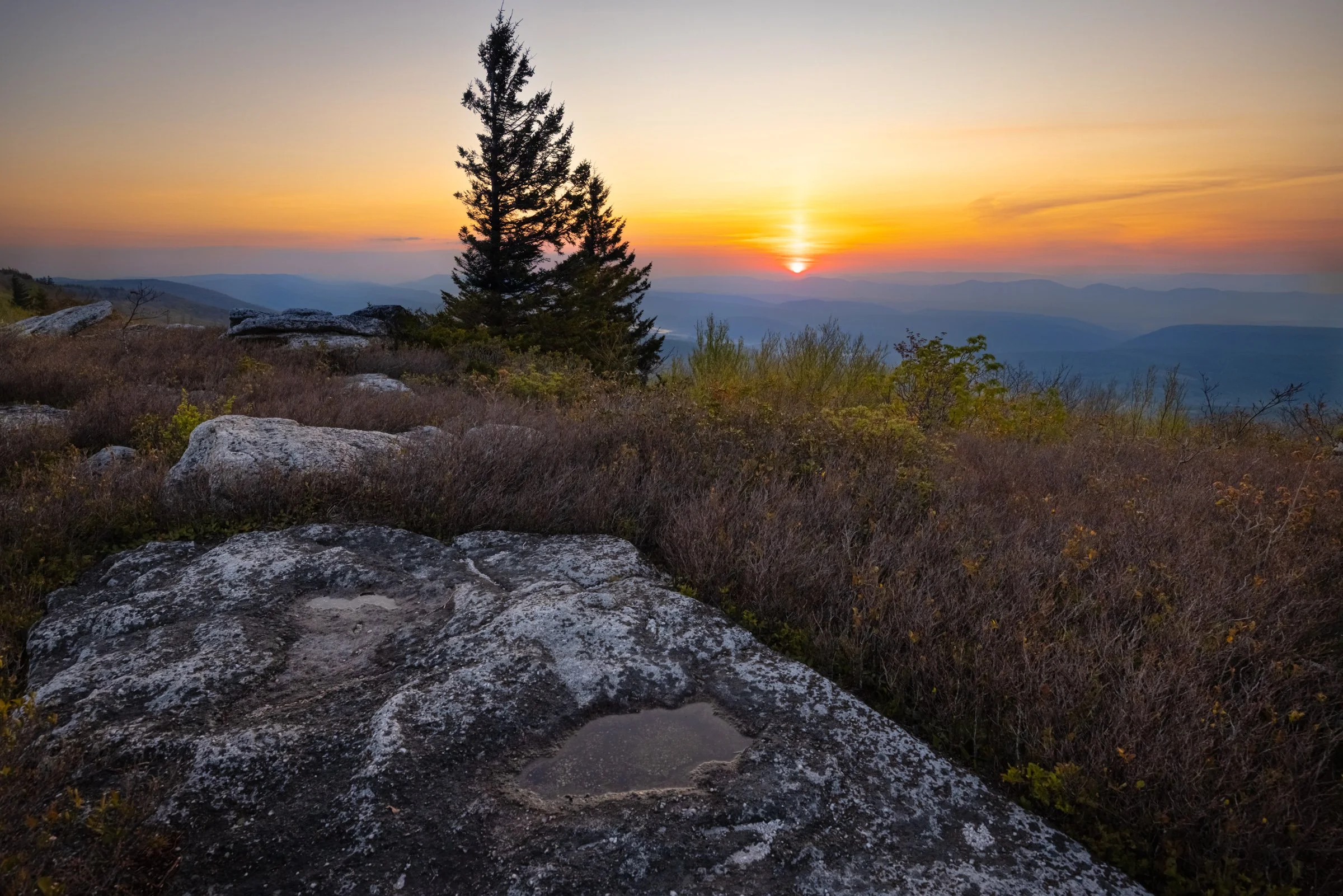
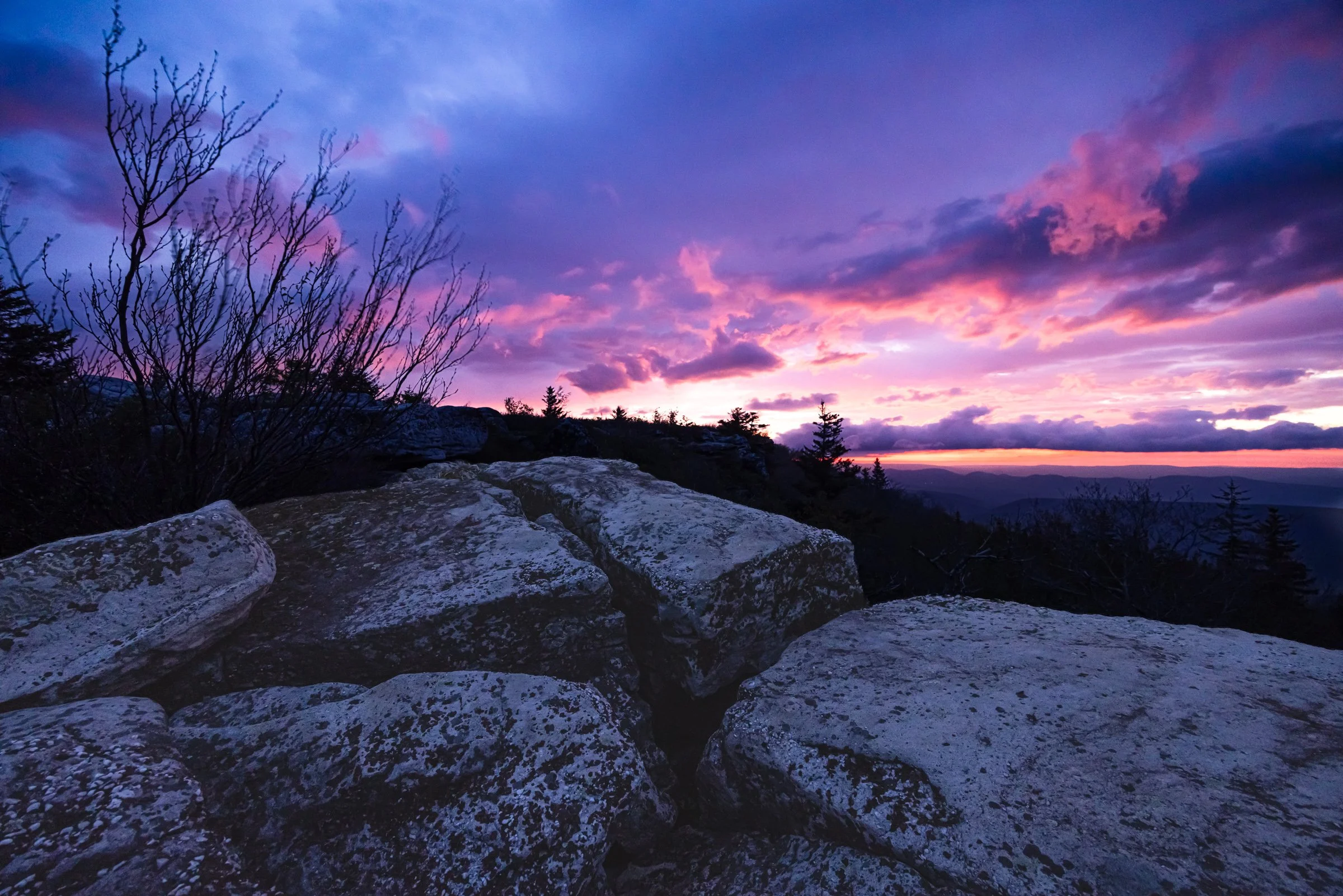
I spent less than 48 hours in the region, but was able to put together my favorite images and videos together for a portfolio. I visited Bear Rocks in Dolly Sods two mornings for sunrise. IMHO, the best sunrise location outside of Maine in the eastern U.S.
Astronomical League Herschel 400 Observing Program
Join me as we work toward achieving the Herschel 400 Program Observing List from the Astronomical League. During full Moon periods, I will turn my efforts toward observing and recording the Herschel 400 objects. I have not achieved this list in my astro career and hope that it will be a fun and rewarding experience for you as well. If you want to join me, please download the Herschel Observing list at this link.
https://www.astroleague.org//wp-content/uploads/2022/02/h400lstc.pdf
For details on how to earn the observing award via remote telescope observing, please see this link
https://www.astroleague.org/herschel-400-observing-program/
I am not sure how long the project may take. I really don't want to knock it off too quickly. We will take our time in observing and learning about the objects as we to. I would expect all observing sessions to be 1-2 hours in duration. Mostly closer to one hour. So, please stop by the channel and join me as we earn our Astronomical League Remote Telescope Herschel 400 list.
To join observing sessions LIVE on my YouTube channel, please subscribe at this link today.
Comet C/2025 K1 (Atlas) Video from December 7, 2025
Comet K1 was only discovered in May of 2025 with closest approach to Earth on November 25. The tidal forces from the closest approach to the Sun on October 8 led to instability in the comet and an eventual fragmentation. This fragmentation was documented on November 11, 2025. On the night of December 7, in between deep sky imaging sessions, I decided to capture 2 hours of video of the comet. In the video you can see brighter fragments trailing the head of the coma. The comet moved rapidly in the sky across the stars of Cassiopeia. Please take a moment to view the comet K1 video, my 3rd comet in as many months at Starfrtont Observatories.
December 7, 2025: Starfront Images and LIVESTREAM
It has been 3 months since my astrophotography system became operational at Starfront Observatories. It has been a whirlwind imaging adventure in Texas!
The skies of the past two months were graced with two comets in my initial weeks and that became the imaging focus for the start of most evening sessions. It had been a while since I captured a comet with a telescope. Most of my comet outings have been with comets in the landscape with DSLR and lens.
So, I had to learn all of the latest imaging techniques for telescopic capture of comets with a monochrome camera and RGB filters. I spent many hours with Adam Block’s “Comet Academy” and improved my image capture and image processing techniques for monochrome RGB photography of these two comets.
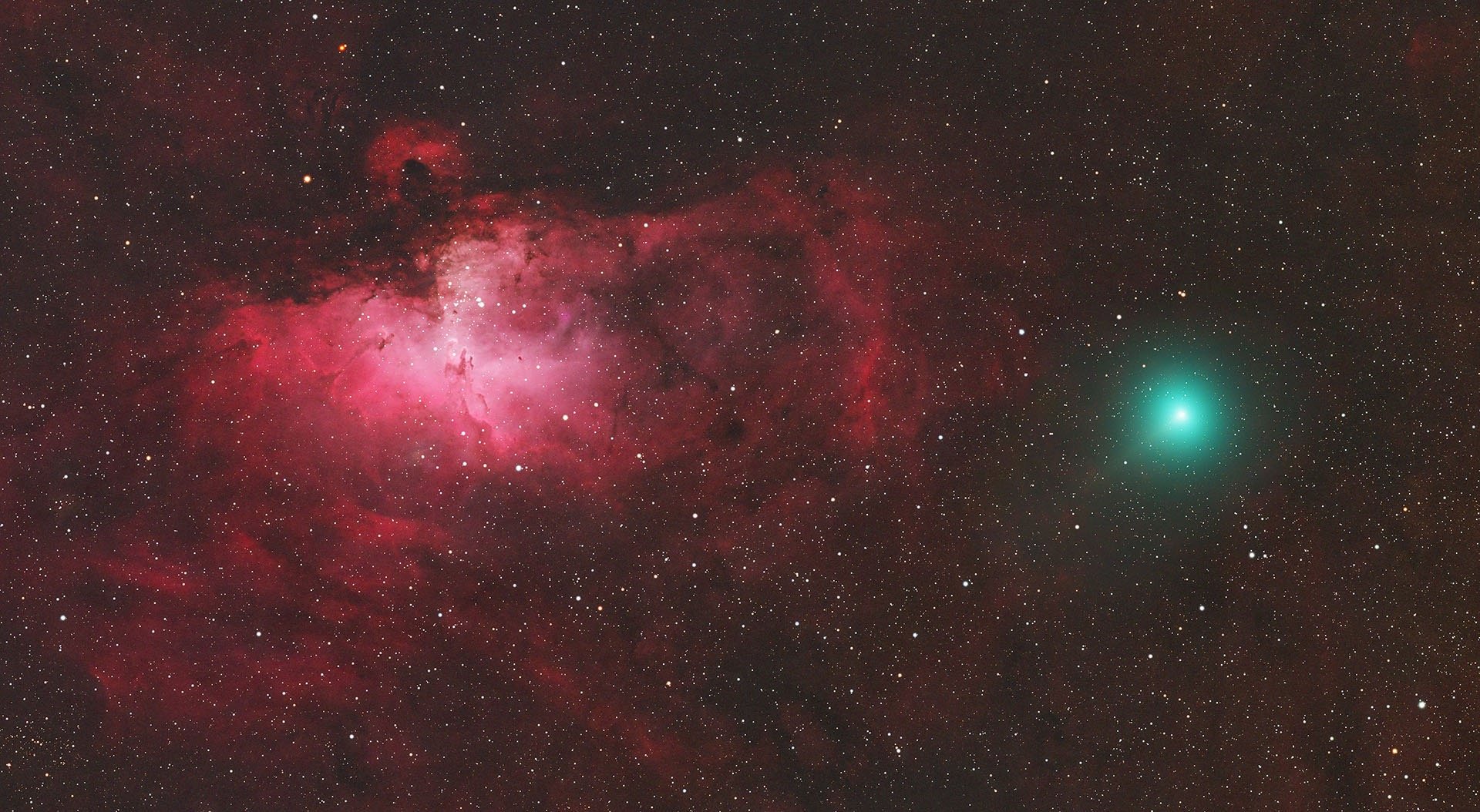
The highlight for the first comet was a visual conjunction with the Eagle Nebula (M16) by C/2025 R2 SWAN on October 17, 2025. For me, the striking colors of the nebula and the comet were critical to a delicious composition. The video below highlights the orbital path of the comet through the inner solar system with some other information.
While R2 was a nice comet treat, the real star of the fall season was C/2025 A6 (LEMMON). The comet’s ion tail proved to be totally entertaining with variations visible from minute to minute and evening to evening. The video below presents one evening where I captured the solar wind impacting the ion tail in a disruptive manner that can be seen over the course of just a few minutes.
The Eagle Nebula (M16) is graced with a visual close encounter with C/2025 R2 (SWAN) on October 7, 2025.
C/2025 A6 (LEMMON) on October 26, 2025. Link to image details at Astrobin.
C/2025 A6 (LEMMON) on November 7, 2025. Link to image details on Astrobin
The video posted below pays tribute to C/2025 A6 (Lemmon) and C/2025 R2 (SWAN)
There are so many advantages to imaging from Starfront. I mentioned the restricted southern sky in Part 1 of the Starfront Obervatories Series. So, my focus at Starfront is on southern objects I have never had a chance to image in my entire 20+ year career.
The Helix nebula was the first southern object that was accessible.
Helix Nebula (NGC 7293) in HOORGB Blend from Starfront Observatories. Link to image details at Astrobin.
Join me for a live stream from Storefront Observatories where we will discuss the equipment and techniques used to capture images from the beautiful skies of central Texas.
The Herschel 400 Astronomical League Project is underway
It’s not too late to join. We are about 30 objects into the Herschel 400. Hope to get another session in soon. Please subscribe to the YouTube channel so you get notifications on LIVE STREAMS.
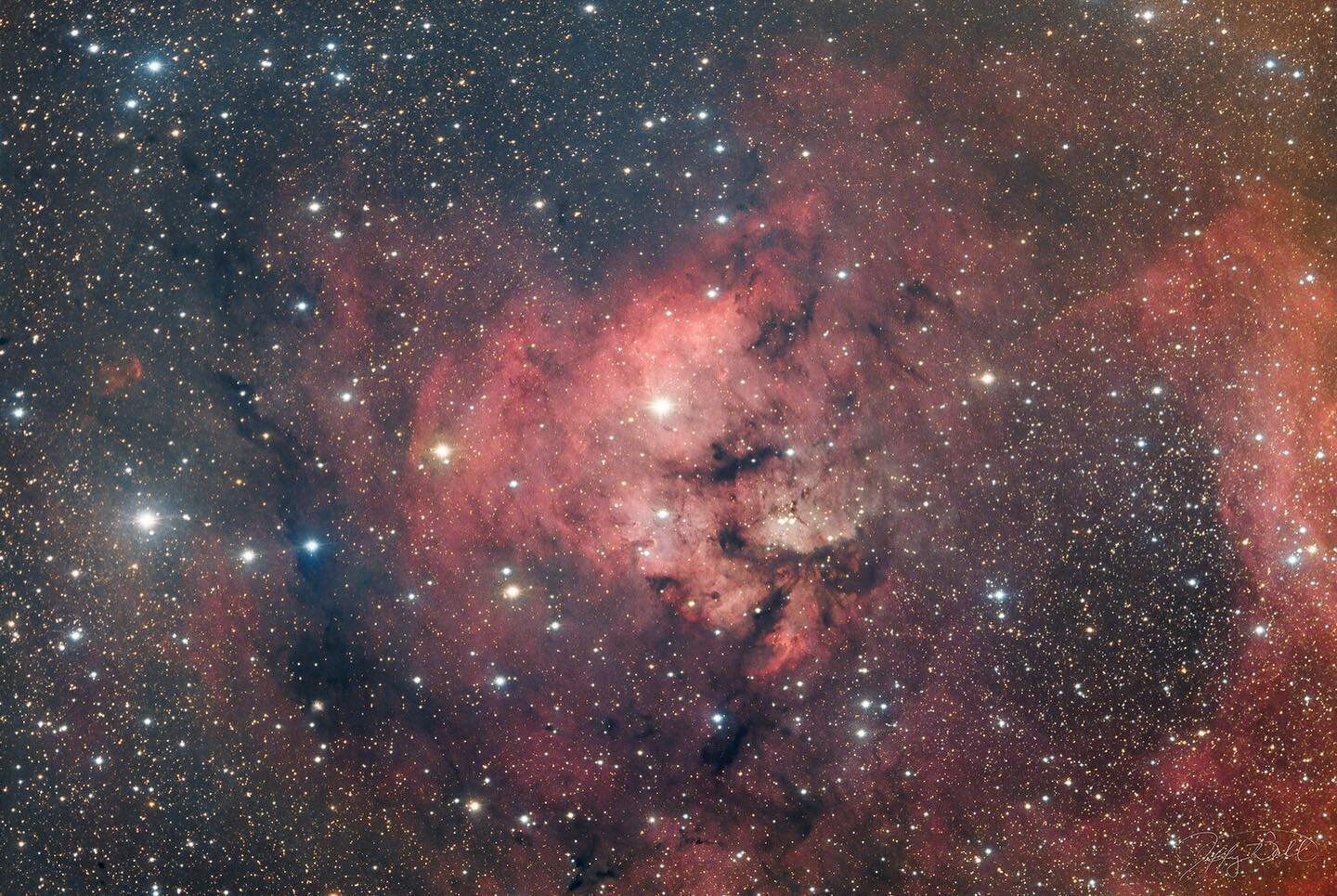
Angels in Monoceros: The Monoceros M2 Complex
The Monoceros R2 molecular complex (often shortened to Mon R2) is a massive giant molecular cloud and one of the nearest active star-forming regions to Earth. It's a dynamic stellar nursery embedded in dense gas and dust, where new stars—particularly massive ones—are actively being born.
Key Facts
Location: Southwestern part of the constellation Monoceros (the Unicorn), near the border with Orion. It's part of the larger Orion-Monoceros cloud complex.
Distance: Approximately 2,400–2,700 light-years (around 830 parsecs).
Size and Structure: The main dense core is relatively compact (a few light-years across), but the overall molecular cloud and associated nebulae span a wide area—reflection nebulae alone stretch up to about 2° in the sky. It's situated well below the galactic plane, which makes it stand out in certain observations.
Age and Activity: Star formation here began roughly 6–10 million years ago. It hosts an OB association (young, hot, massive B- and A-type stars) that illuminates surrounding dust, creating prominent reflection nebulae with bluish hues. There's also significant emission from ionized gas (red glows) and dark nebulae that appear as shadowy silhouettes blocking background light.
Notable Features:
A central hub of massive star formation with embedded clusters, molecular outflows, and HII regions.
Infrared observations (like those from VISTA or 2MASS) penetrate the dust to reveal hidden young stars and protoplanetary disks.
It's a key site for studying early stellar evolution, variability in young stellar objects (YSOs), and the interplay between massive stars and their natal clouds.
The most famous and photogenic part of Mon R2 is the region around NGC 2170 (the Angel Nebula), a striking reflection nebula with wing-like dust structures, glowing blue from scattered starlight, mixed with red emission and dark lanes. Wider views of the complex reveal a richer tapestry of colorful gas, dust filaments, and star clusters.
Credit: GROK 2/28/26
Click on image for larger view.
New Astro Camera: OM-3
Join me for a LIVE conversation about this new astro camera coming to the market. Is this the best option for you? How does it compare to other options? https://www.earthandskyphoto.com Correction: when discussing Bulb mode with Canon, I incorrectly said it had a limit of 30”. I meant to say manual exposure has a max of 30”. In bulb, you need to use a remote control or app for exposure time control. The problem is you can’t set exposure time for stills in the camera menu. I was made aware that Olympus no longer owns the OM system. It is owned by Japanese industrial Partners, a private equity firm. For content on the OM-3 for astrophotography, please see Ben Chapell’s Narrow Band channel. https://youtube.com/@TheNarrowbandChannel?si=GcWY-BM9skG9LPhY
Jeff's Blog
Join me on photography journeys from desert landscapes to deep sky wonders.