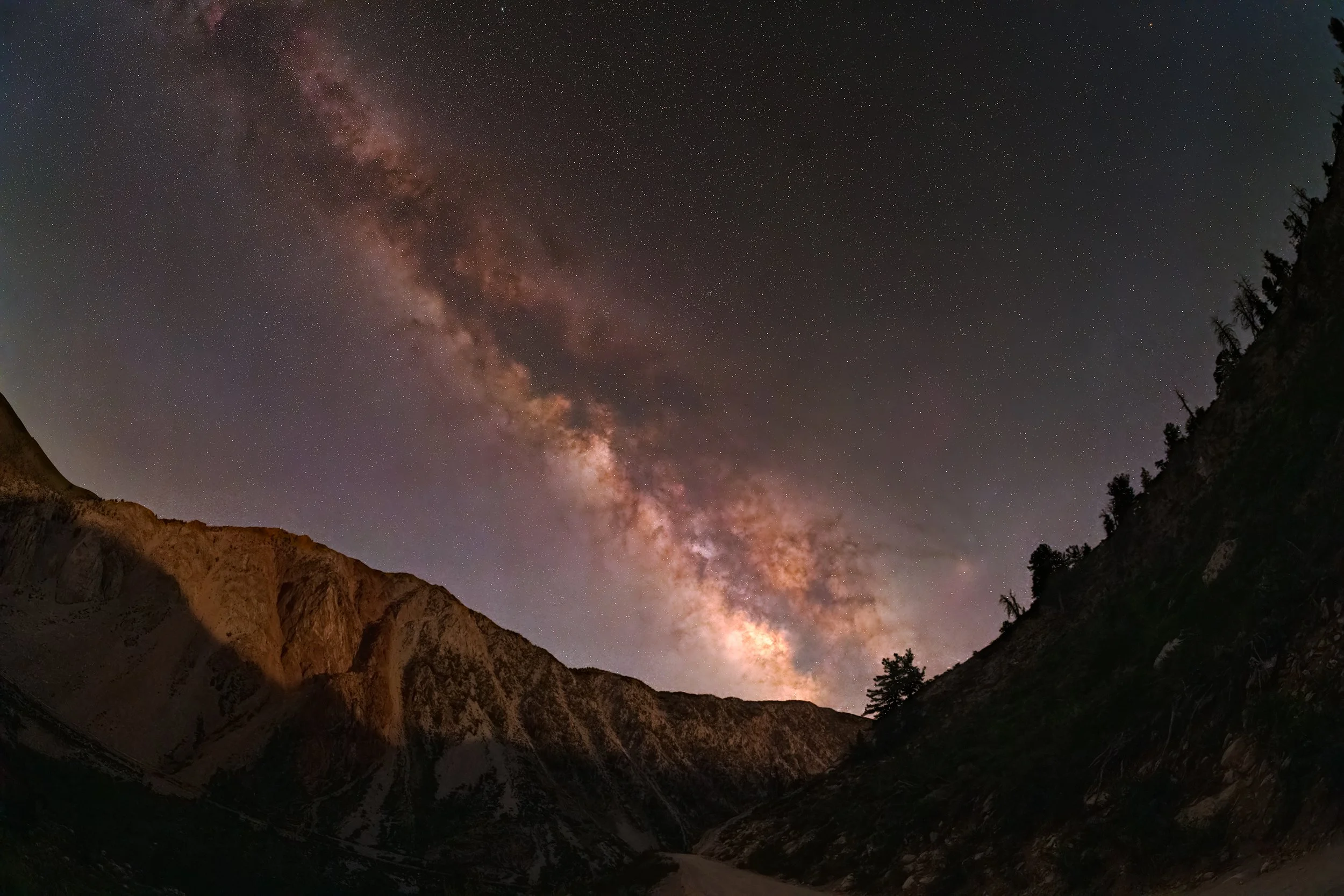
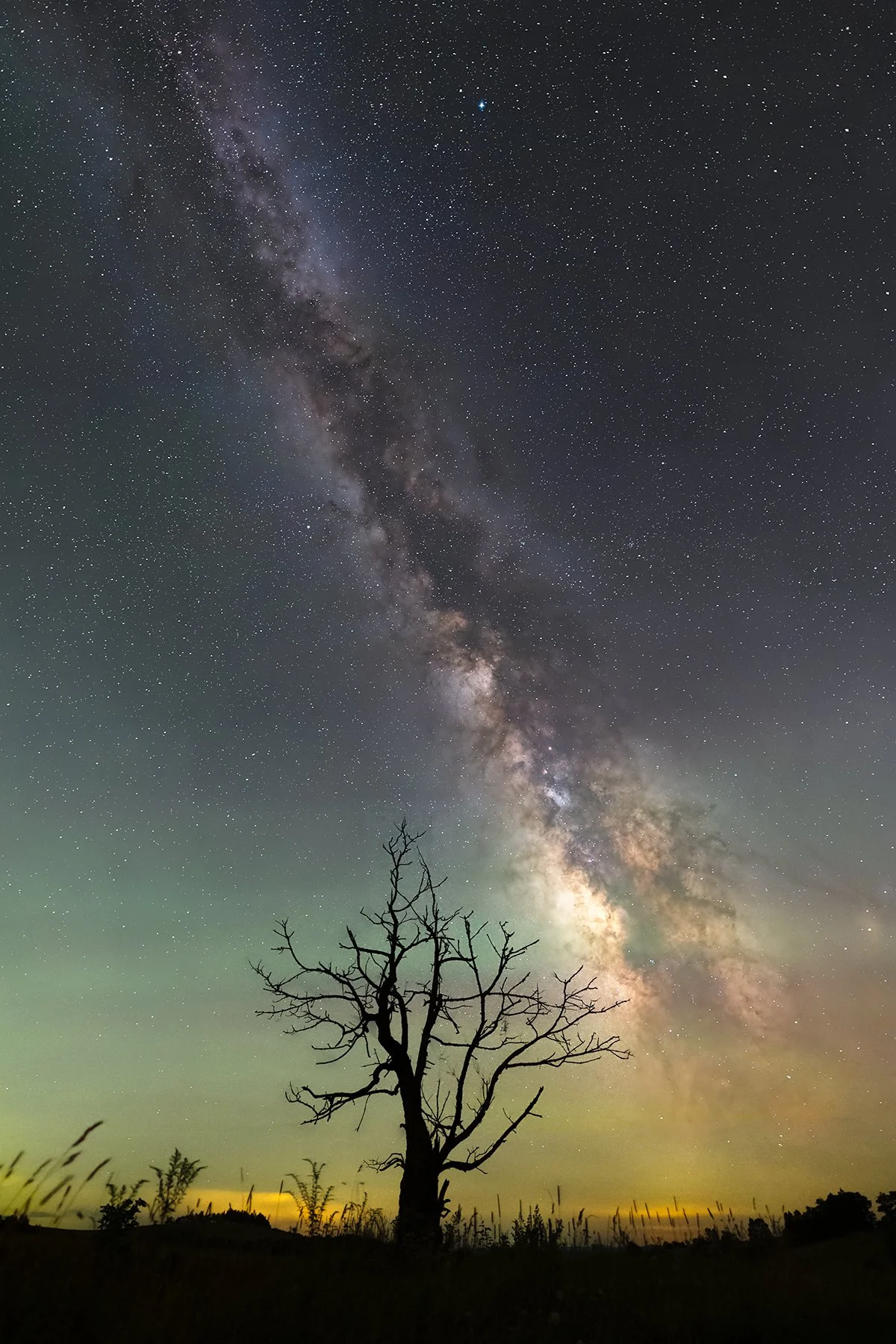
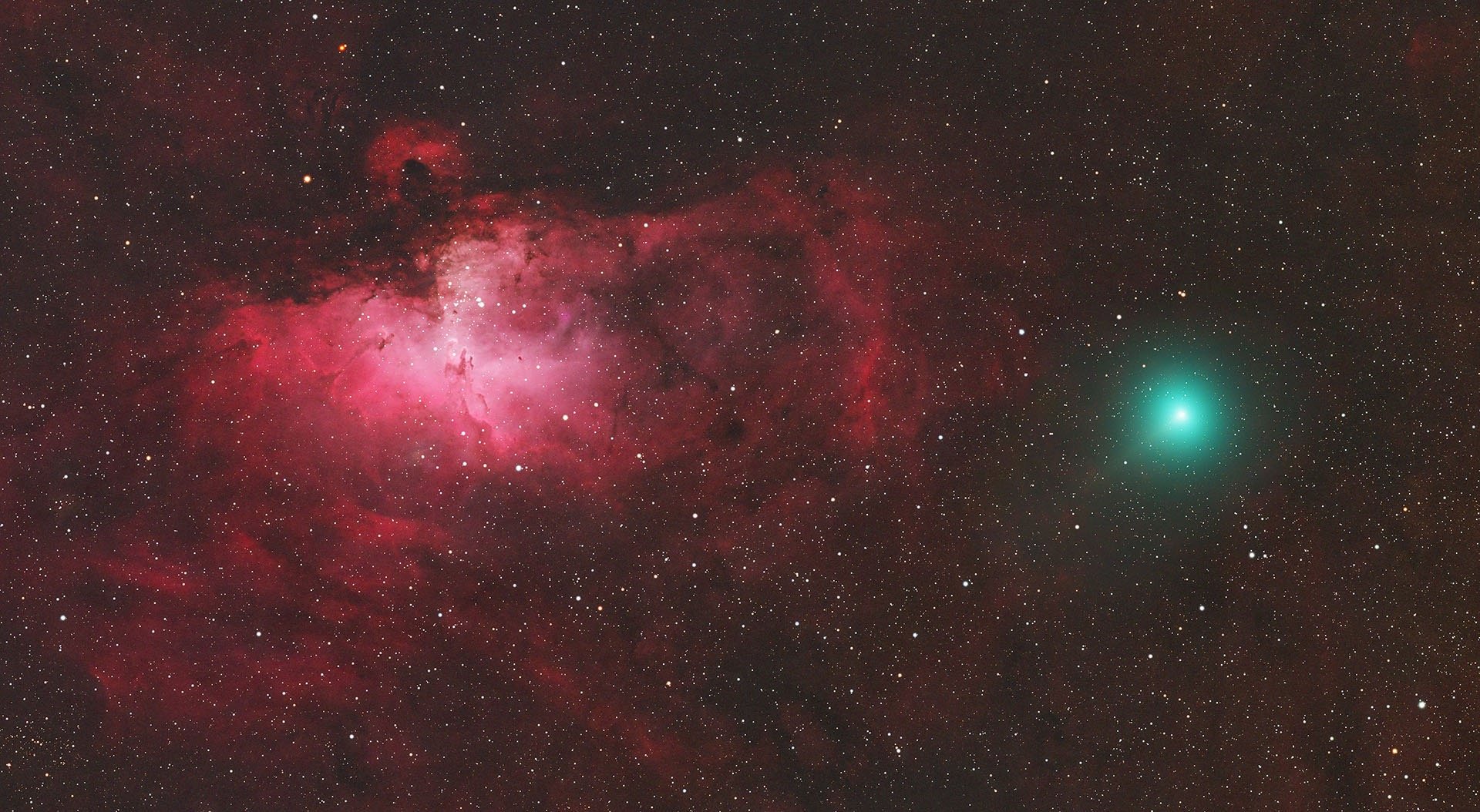
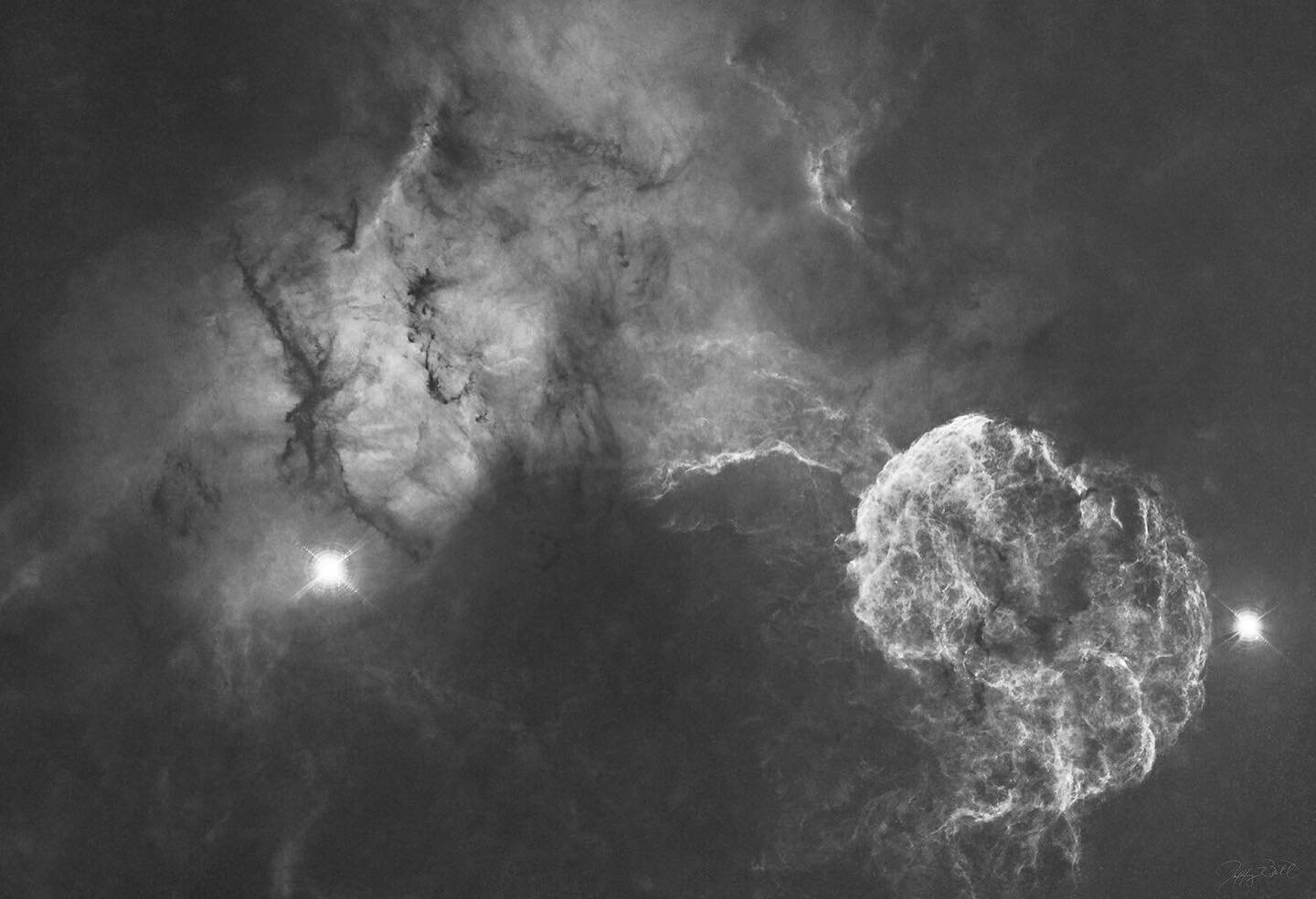
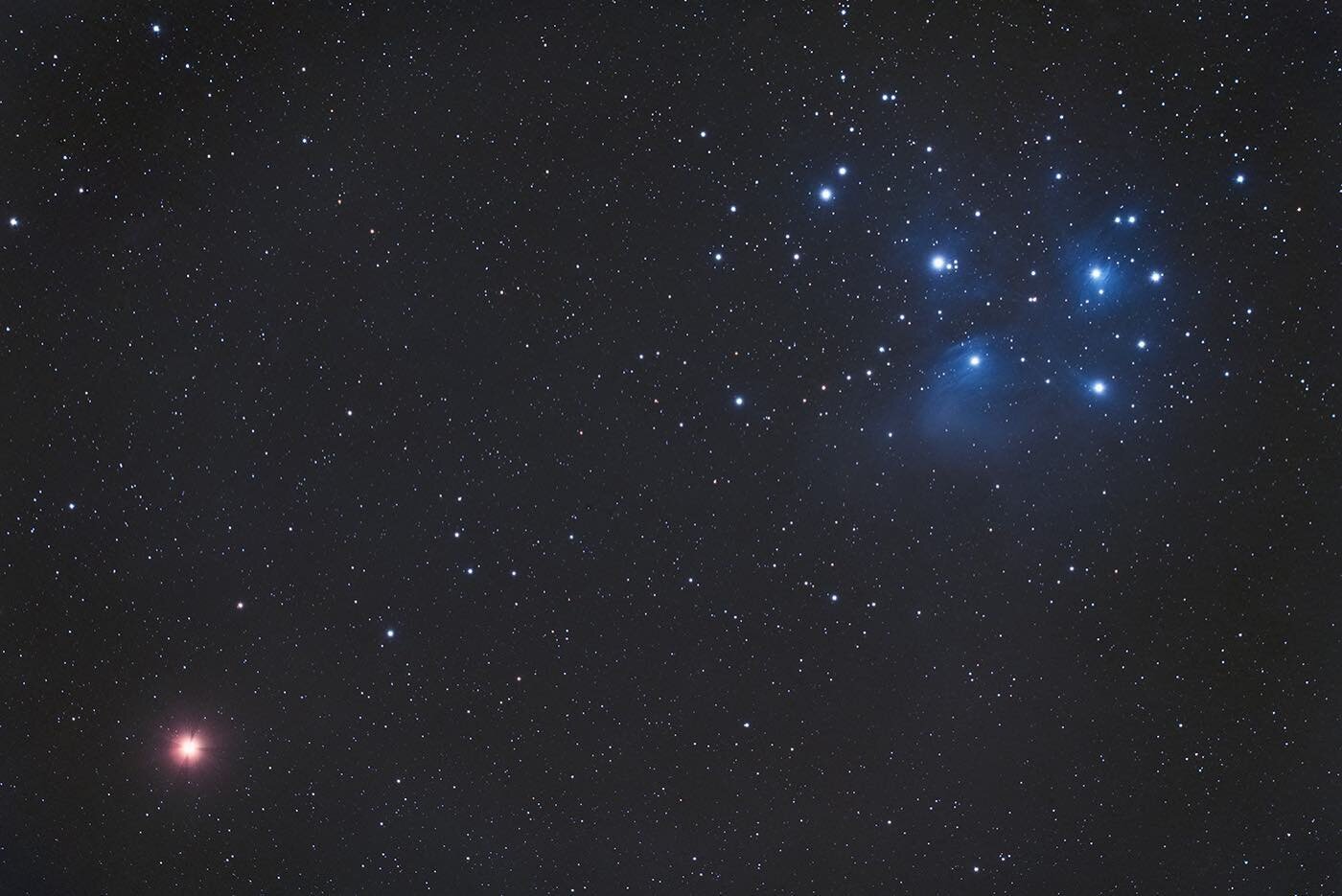
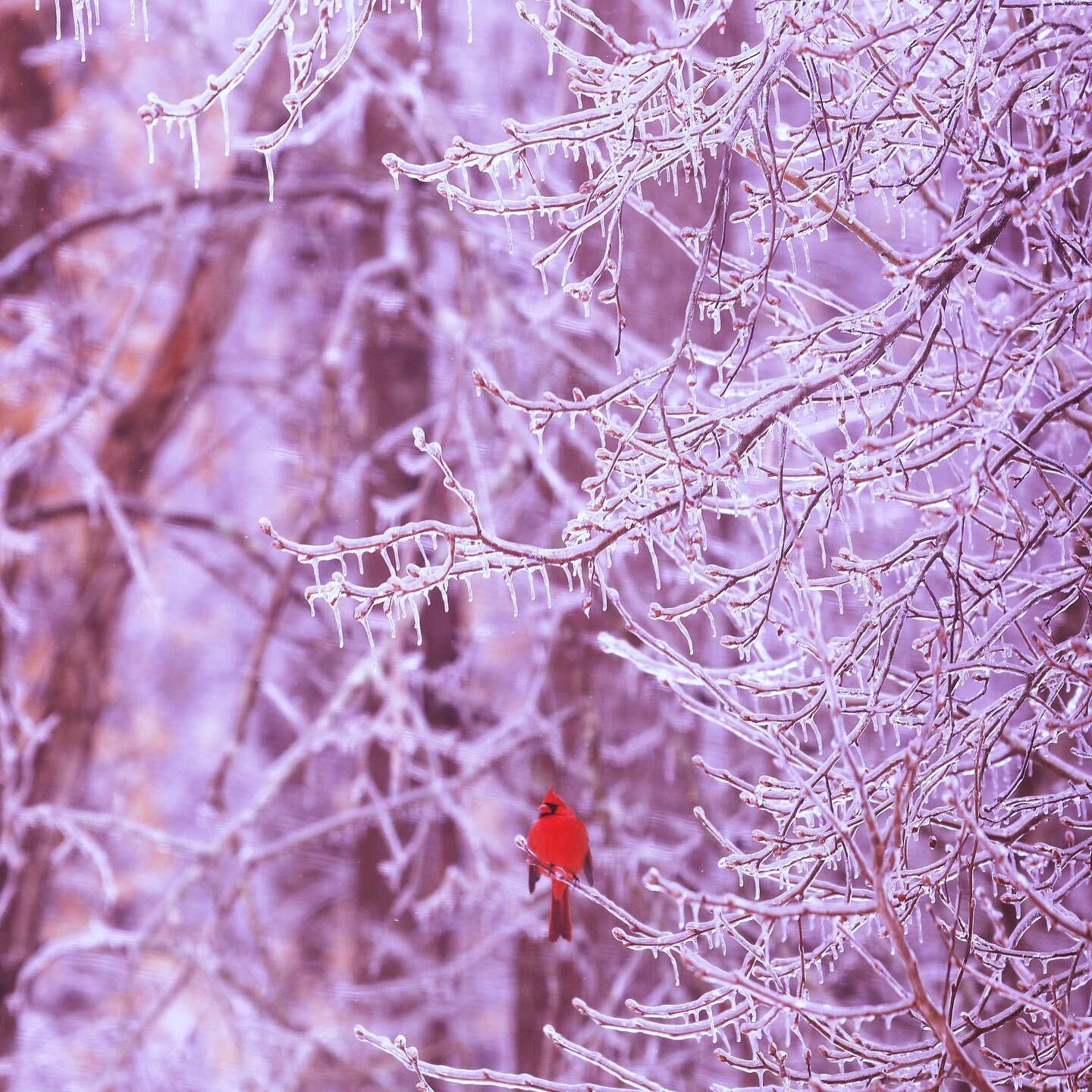
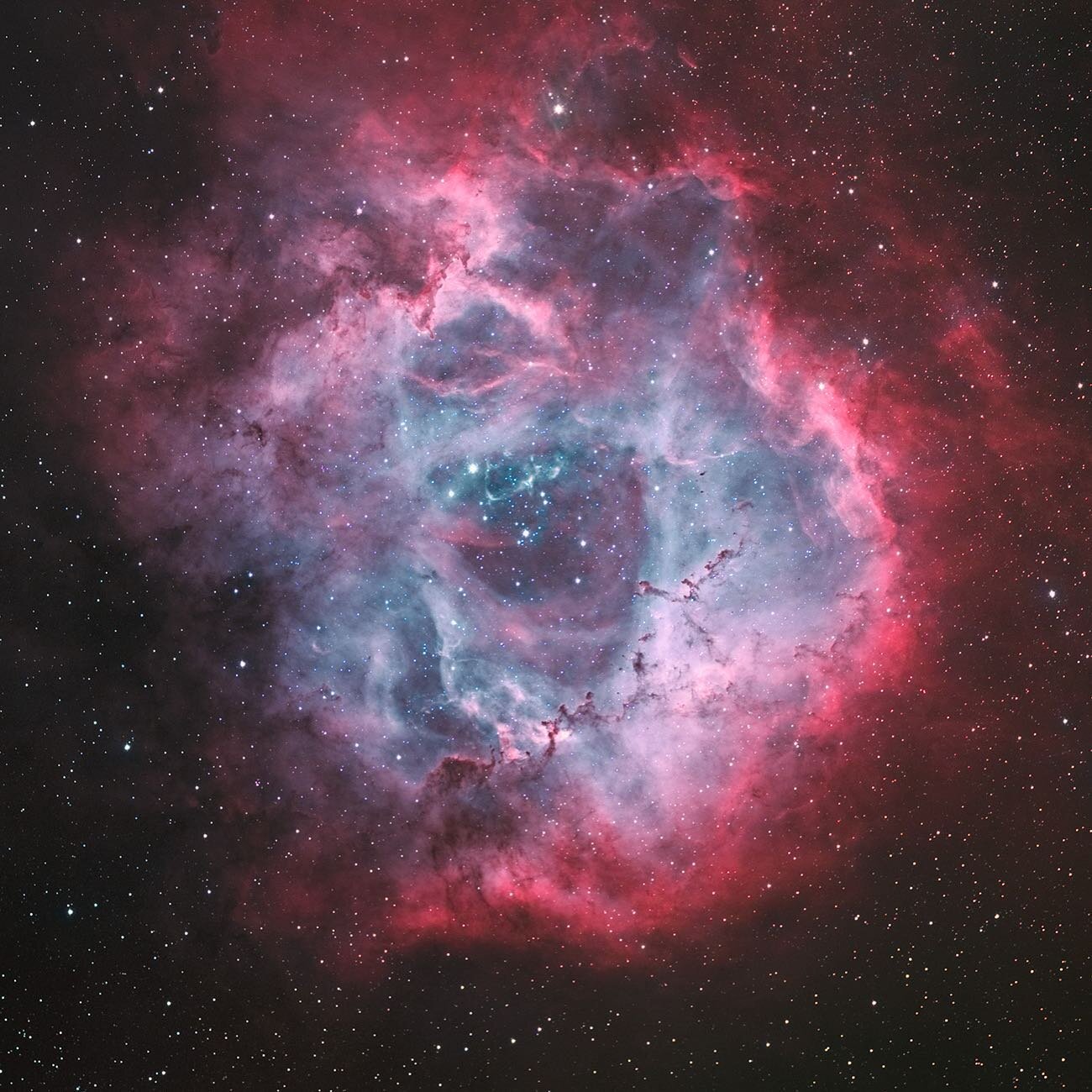
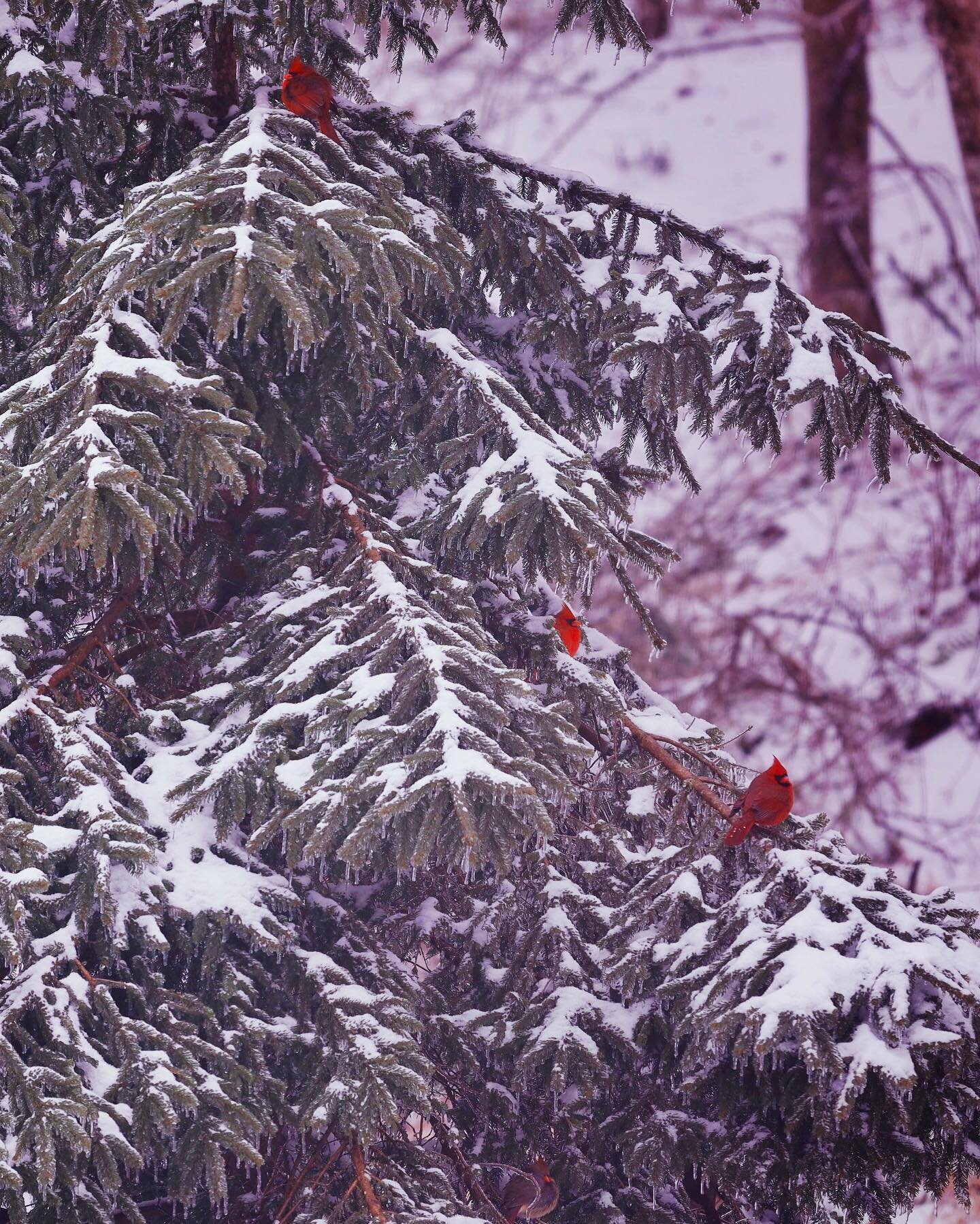
I love photography!
Winding down vacation and all I can say is that I waited way too long to get the camera out and go photographing. I did finally spend some time the last two days photographing at Brookgreen Gardens and in the morning surf at the beach. It has been far too long since I engaged in some landscape photography. Man did I have fun! Simply being in the moment, exploring beautiful Brookgreen Gardens and looking for compositions...it was marvelous. The thrill of the hunt, looking for that great moment of wonderful light and composition, and I think I may have found a couple of images to share with you. I can't wait to get home and work on some of the compositions in the digital darkroom. But even if I hadn't found a single composition, it was an amazing experience to simply be on the hunt again. Brookgreen is an amazing combination of gardens and sculpture. Being in the midst of wonderful fine art created even more momentum for my photographic pursuits.
I am trying to balance astrophotography and landscape photography and it may prove to be too challenging. But I am going to really take a stab at achieving the balance since I enjoy both so much and I believe the pursuit of one helps the artistic expression of the other. If it has been a while since you went out on the hunt for a great photograph, I encourage you to grab the camera and isolate yourself from the cares of the world and begin to look for those great moments of light and composition. I really hope to return to this area and explore Brookgreen more extensively. Stay tuned for images and more information and Happy Independence Day!!!
What size should web image be?
With the introduction of the "netbooks" and smart phones, I was curious to revisit the most common screen resolutions currently being recorded by web browsers and those data mining groups that do such things. One report I found lists 36% of surfers are using 1024x768 in January 2009, down a bit from 2008. Where is the move? To higher resolutions. The report only lists resolutions higher than 1024x768 and that percentage is 57%. But are we possibly seeing a move back to smaller screens? Do the data mining groups account for web browsing on smart phones? I know that I look at images on an iPhone, Macbook Pro, and a 24" Apple Cinema display. I have looked at the netbooks and can't say that they catch my fancy at the present time. A quick look at one of the HP netbooks (N270) shows it sporting a 1024x576 screen resolution. Will netbooks find a strong foothold in the marketplace? Another consideration for how large of an image to post to the web is how much of an image do you want your audience to view. I personally always want the entire image showing with no zoom effect. Why? I take great care on the entire composition of the image and want the image always viewed in its entirety. To me, posting a larger than 1024 image on the web would be like Ansel Adams only allowing you to view one of his prints from a distance of 6" away. There is a proper viewing distance for all images and one should consider that even for web presentations. Now I do understand that some browsers can re-size the image to fit the window, but I really don't want to rely on that effect 100% of the time. So at the present time I have chosen to post images with a long side of 1000 pixels with some modifications for portrait orientation. To me that hits the sweet spot of fitting nearly every screen resolution out there (93%)and presenting the image in its entirety to the viewer. So that is my take on proper image size in June 2009. I hope to revisit the issue as time passes to see where screen resolutions may go into the future.
The Herschel 400 Astronomical League Project is underway
It’s not too late to join. We are about 30 objects into the Herschel 400. Hope to get another session in soon. Please subscribe to the YouTube channel so you get notifications on LIVE STREAMS.
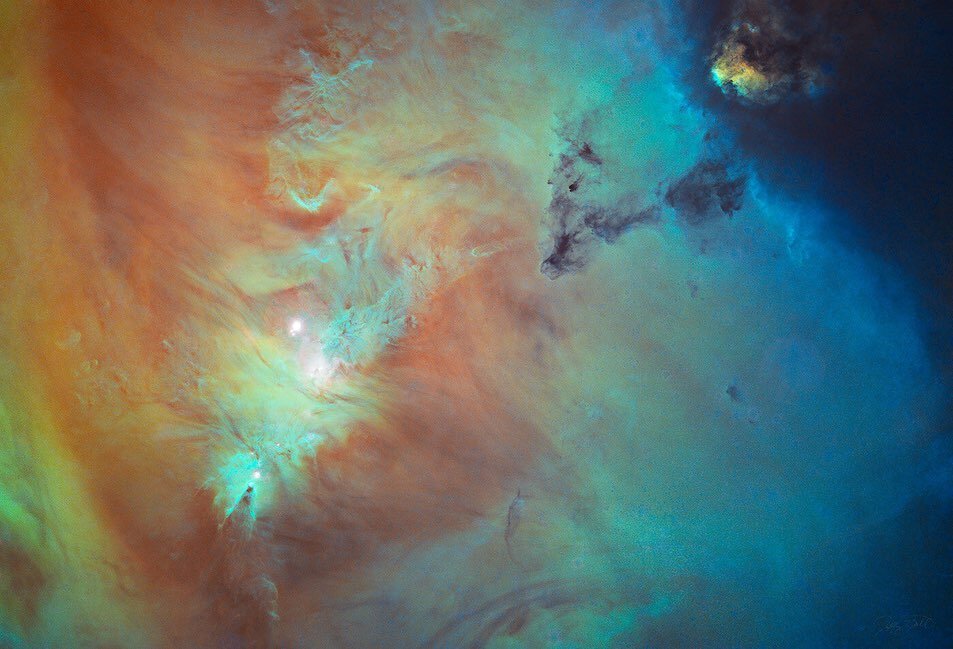
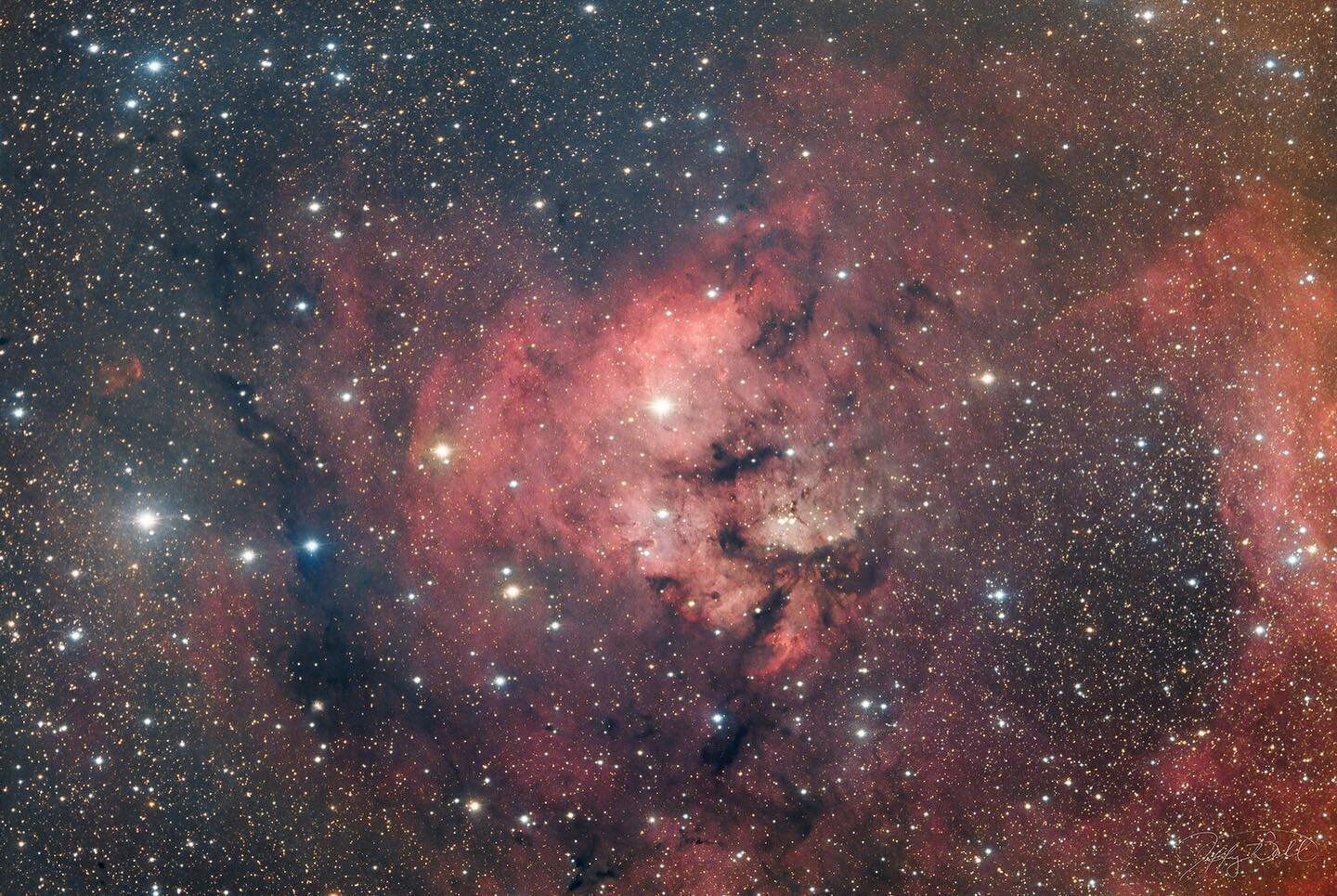
Angels in Monoceros: The Monoceros M2 Complex
The Monoceros R2 molecular complex (often shortened to Mon R2) is a massive giant molecular cloud and one of the nearest active star-forming regions to Earth. It's a dynamic stellar nursery embedded in dense gas and dust, where new stars—particularly massive ones—are actively being born.
Key Facts
Location: Southwestern part of the constellation Monoceros (the Unicorn), near the border with Orion. It's part of the larger Orion-Monoceros cloud complex.
Distance: Approximately 2,400–2,700 light-years (around 830 parsecs).
Size and Structure: The main dense core is relatively compact (a few light-years across), but the overall molecular cloud and associated nebulae span a wide area—reflection nebulae alone stretch up to about 2° in the sky. It's situated well below the galactic plane, which makes it stand out in certain observations.
Age and Activity: Star formation here began roughly 6–10 million years ago. It hosts an OB association (young, hot, massive B- and A-type stars) that illuminates surrounding dust, creating prominent reflection nebulae with bluish hues. There's also significant emission from ionized gas (red glows) and dark nebulae that appear as shadowy silhouettes blocking background light.
Notable Features:
A central hub of massive star formation with embedded clusters, molecular outflows, and HII regions.
Infrared observations (like those from VISTA or 2MASS) penetrate the dust to reveal hidden young stars and protoplanetary disks.
It's a key site for studying early stellar evolution, variability in young stellar objects (YSOs), and the interplay between massive stars and their natal clouds.
The most famous and photogenic part of Mon R2 is the region around NGC 2170 (the Angel Nebula), a striking reflection nebula with wing-like dust structures, glowing blue from scattered starlight, mixed with red emission and dark lanes. Wider views of the complex reveal a richer tapestry of colorful gas, dust filaments, and star clusters.
Credit: GROK 2/28/26
Click on image for larger view.
New Astro Camera: OM-3
Join me for a LIVE conversation about this new astro camera coming to the market. Is this the best option for you? How does it compare to other options? https://www.earthandskyphoto.com Correction: when discussing Bulb mode with Canon, I incorrectly said it had a limit of 30”. I meant to say manual exposure has a max of 30”. In bulb, you need to use a remote control or app for exposure time control. The problem is you can’t set exposure time for stills in the camera menu. I was made aware that Olympus no longer owns the OM system. It is owned by Japanese industrial Partners, a private equity firm. For content on the OM-3 for astrophotography, please see Ben Chapell’s Narrow Band channel. https://youtube.com/@TheNarrowbandChannel?si=GcWY-BM9skG9LPhY
Jeff's Blog
Join me on photography journeys from desert landscapes to deep sky wonders.