Hoping for an upgraded Donald C. Martin Observatory
Behind the scenes there is work ongoing to lead to an upgraded Donald C. Martin Observatory at Huntington High School. How I hope this upgrade comes true. It would represent a fantastic scientific and artistic opportunity for the students of Cabell County, and hopefully be extended to the entire region. As part of the pitch for the upgrade, our local astronomers have been gathering images taken with the current equipment to show others what the instruments are capable of achieving. I only have two images for the submission and Brent Maynard is providing several more. If you are in a position to support the potential upgrades to the observatory, I encourage you to do so wholeheartedly.
Below are the two images I submitted as a part of the upgrade proposal. Fingers crossed!
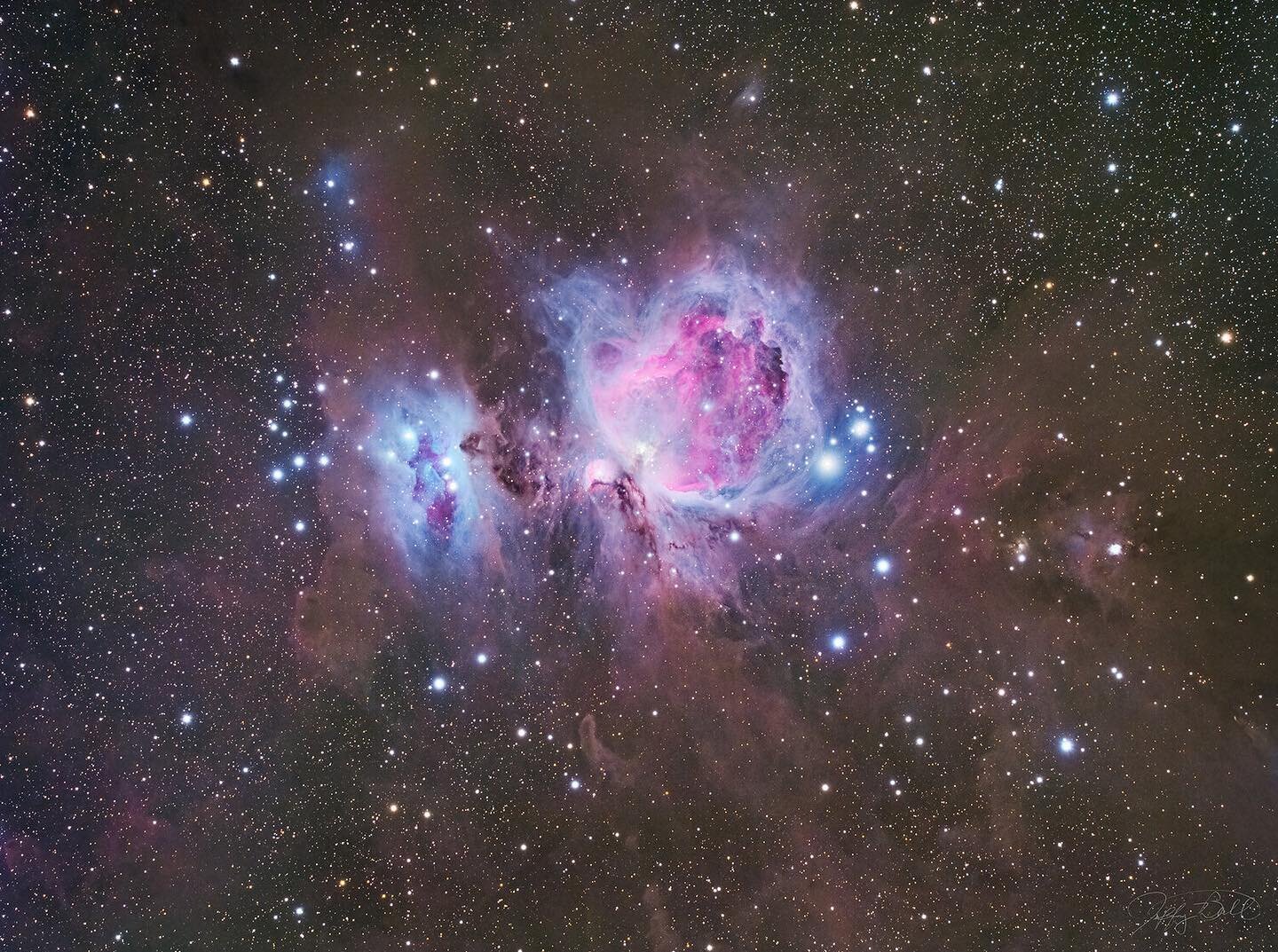
The Great Orion Nebulae.
Dust lanes of the core of the Great Andromeda Galaxy.
First Light with Canon Ra-Image and Video
Hello astro friends.
Canon had to go and make a full frame astro-modified camera! I was just settling in with my Sony and was perfectly happy. But, I definitely have a soft spot in my heart for Canon as the only world-wide major camera manufacturer who provides the astronomical community a very cool product.
I have a two-part video on my youtube channel which I will embed below. I explain the benefits and zonks of the Canon and share some pixel peeping insight.
My Redcat/iOptron Sky Guider Pro mount is my easiest to setup for testing. And this is exactly what I did last week during some windows of clear sky opportunity. The image below is a compilation of around 90 separate 3 minute exposures stacked to reduce noise at ISO 1600. I did layer in some previously captured H-alpha data of the Horsehead nebula to add more signal and reduce noise.
Next time you look up at Orion’s Belt and Sword area, just imaging this cloud of gas and dust beyond human vision.
For details on image acquisition, please see my astrobin page by clicking here.
Orion’s Belt and Sword. Click for larger presentation.
I apologize for low sound, please adjust volume.
California Gallery
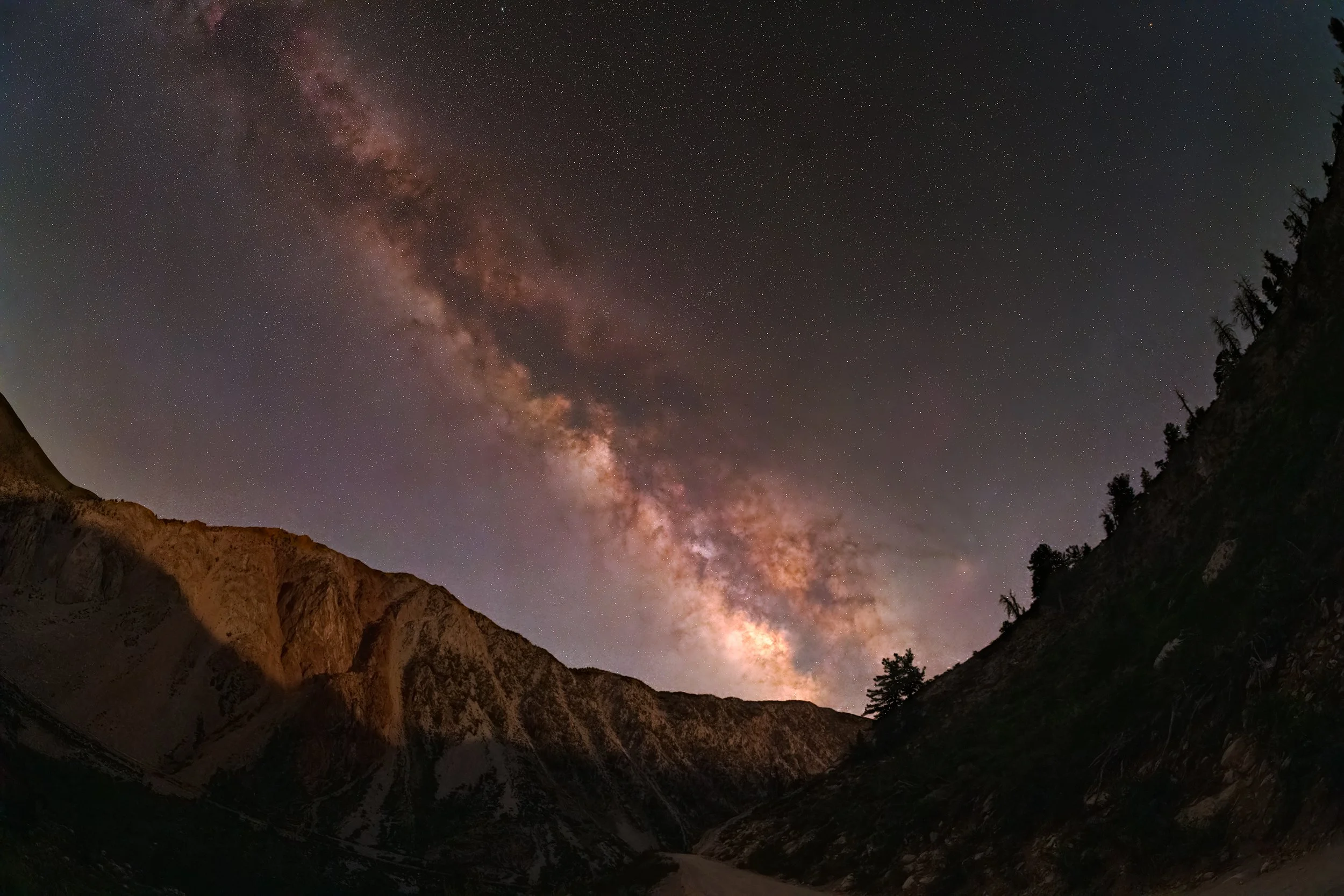
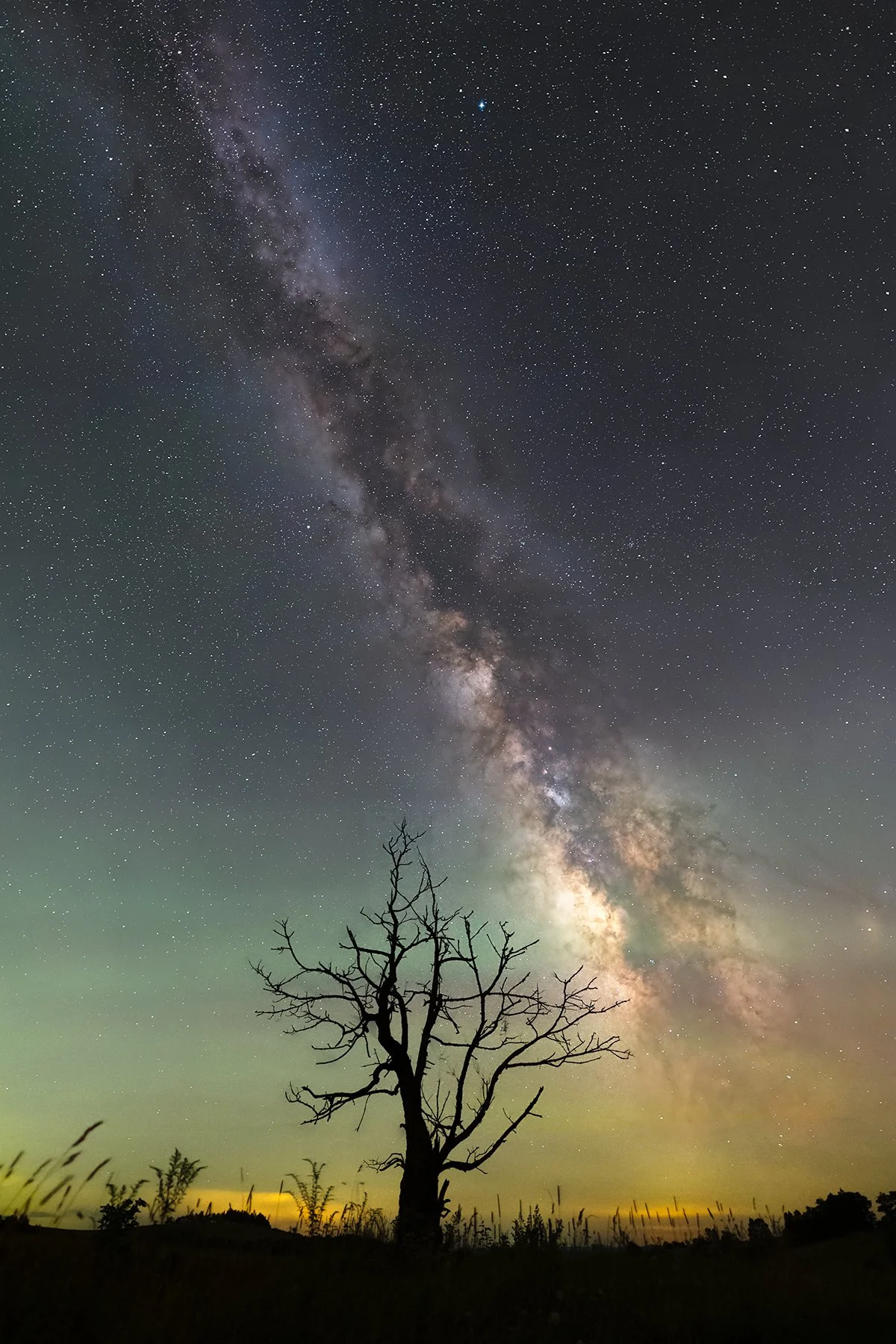
In October I had an opportunity to visit some of my favorite locations in and around southeast California and a few new ones as well. You can check out my video linked in the blog that takes you on the journey with me. Here are some of the images from the trip. The Sony A7RIII and Venus Laowa 15mm f2 and Sony f4 24-105mm G lenses are fantastic. I use the Venus 15mm mostly for astroscapes. The f2 and 15mm really deliver. The edges aren’t perfect, but stars are a very difficult test for lenses. I hope you enjoy the images and drop me a note.
Badwater Twilight
Badwater Milky Way.
High Dynamic Range demonstrated with a blend from the Sony A7RIII. Sand Dunes near Stovepipe Wells.
Trona Pinnacles and Milky Way
Rhyolite Bank and Milky Way
Dante’s Twilight
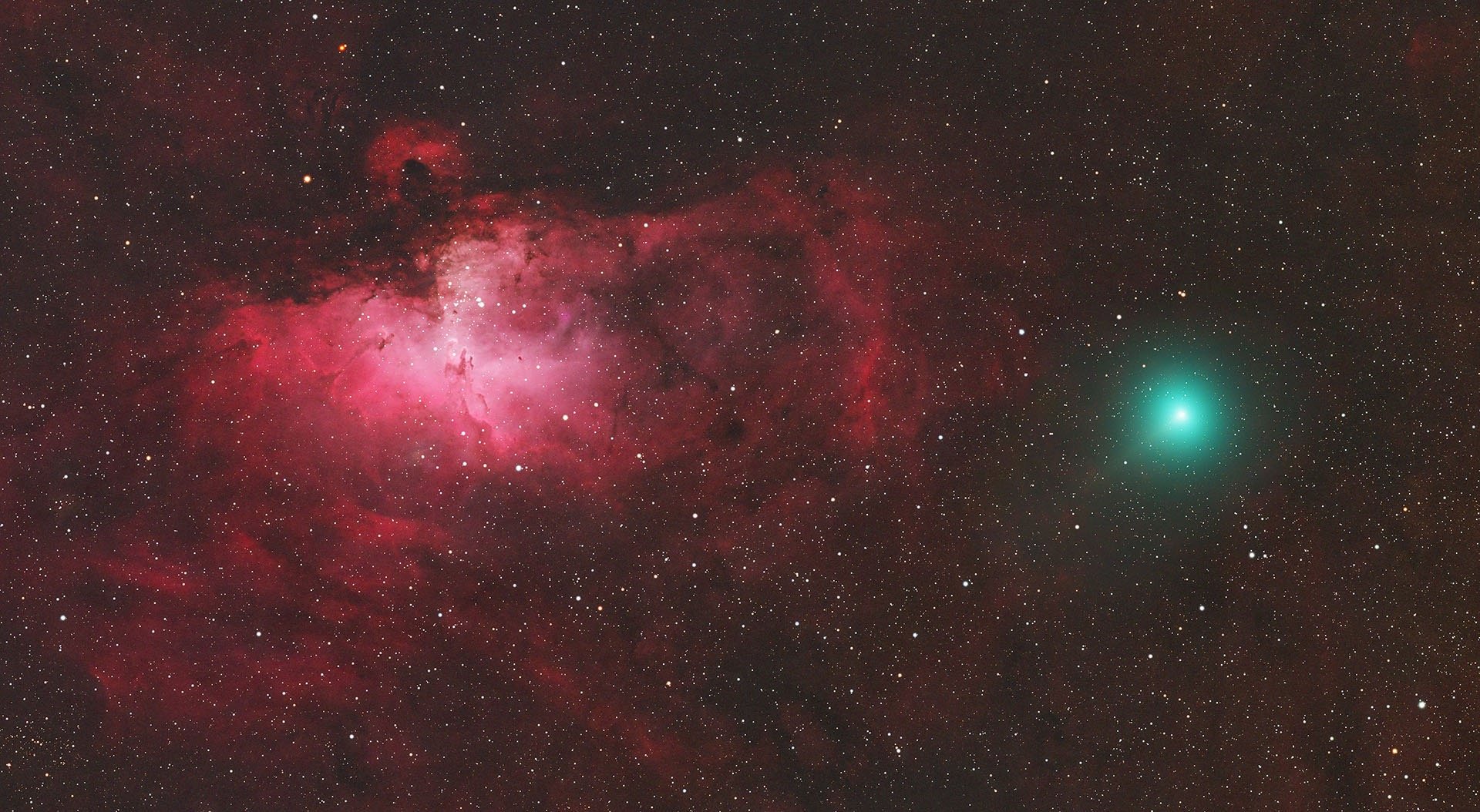
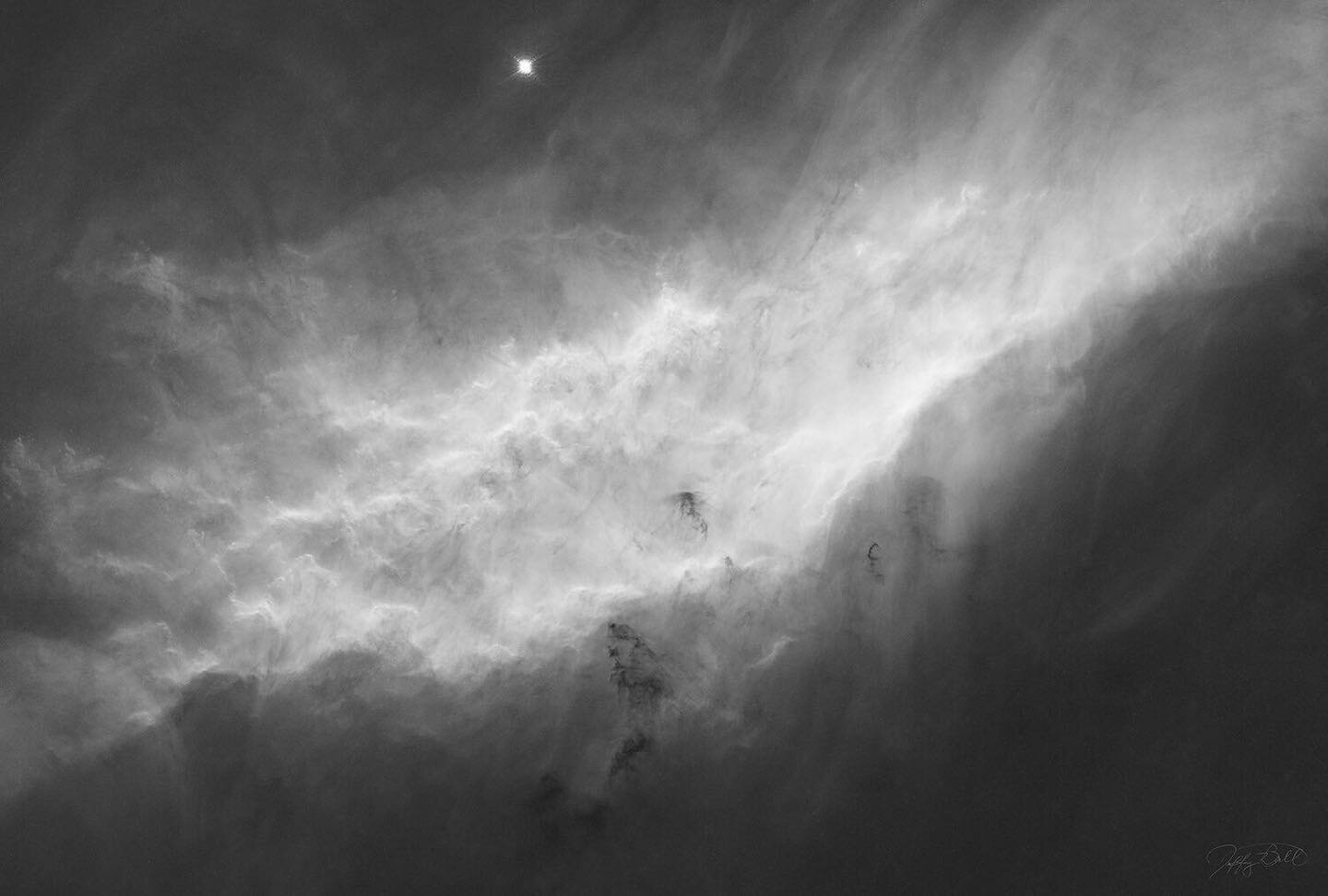
California Nebula in Perseus (NGC 1499)
I just love my ultimate portable astrophoto setup. It was clear on Thursday evening and it took just a few minutes to setup in the driveway to capture the California nebula. This nebula lies 1,500 light years away and stretches for over 100 light years in length. Still looking for the West Virginia nebula.
For acquisition detailed images please see my astrobin page.
Please click on image for larger presentation.
Clear skies!
California Photography Trip
Hello and welcome to the blog. Last October my company had a meeting in Las Vegas. Ian of Lonely Speck announced a meet up at Trona Pinnacle the weekend before my trip! Amazing timing and so photographic planning was under way for an early arrival into Vegas and visiting one of my favorite locations: Death Valley. This video presents highlights from the trip. Check it out if you have a few minutes and don’t miss photographing anywhere in California if given the opportunity.
The Herschel 400 Astronomical League Project is underway
It’s not too late to join. We are about 30 objects into the Herschel 400. Hope to get another session in soon. Please subscribe to the YouTube channel so you get notifications on LIVE STREAMS.
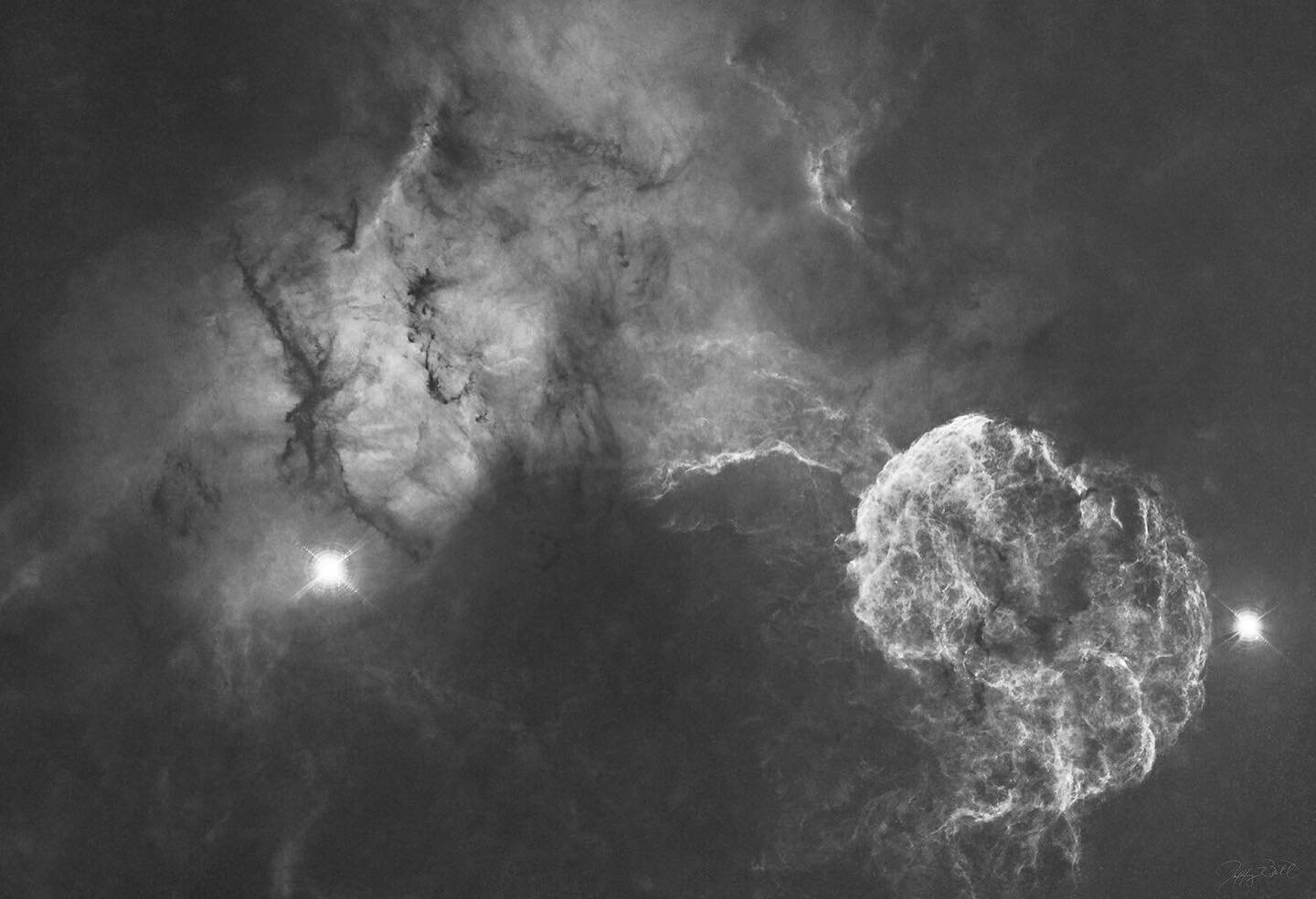
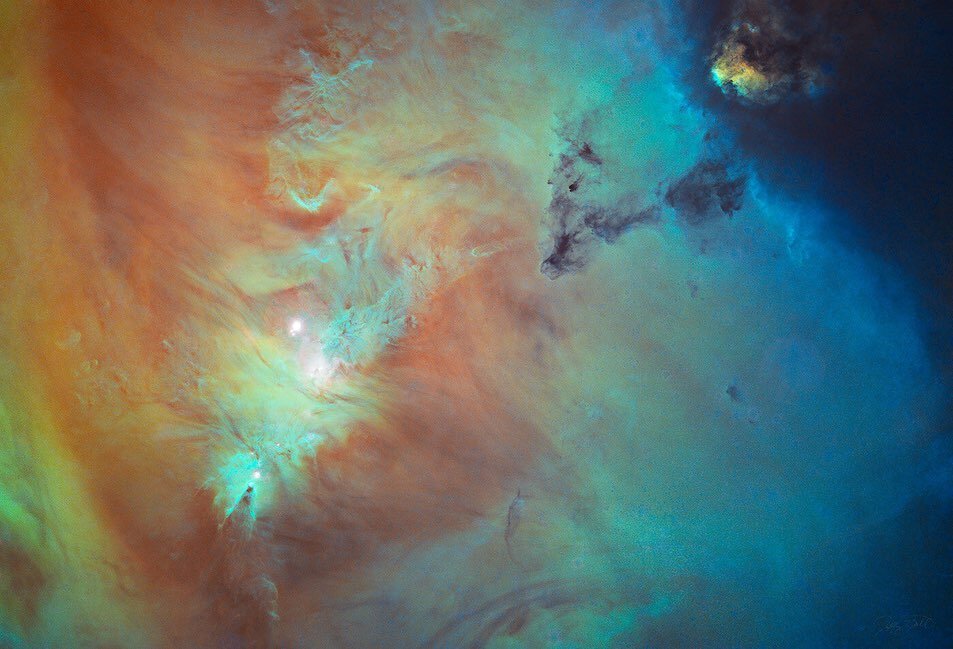
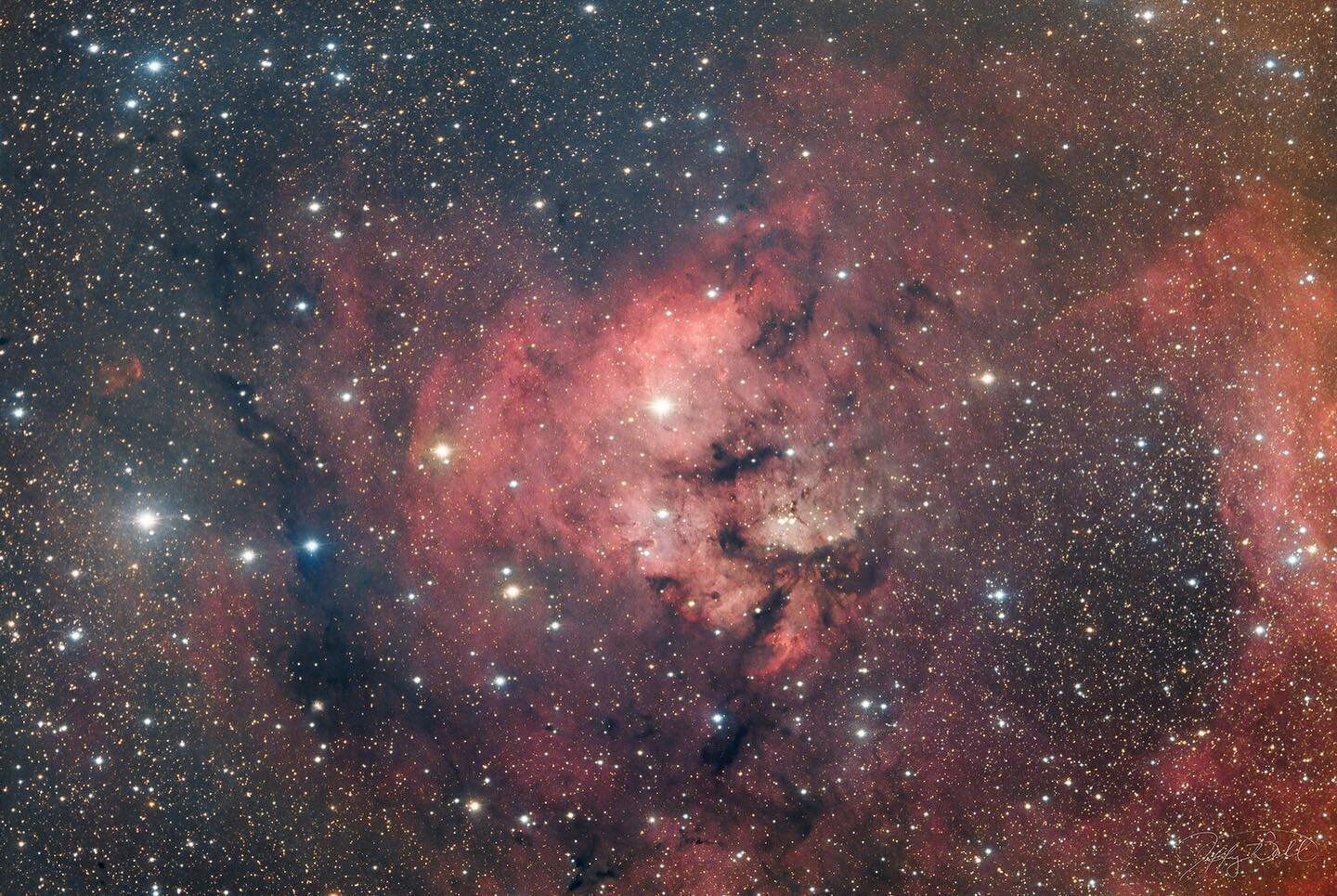
Angels in Monoceros: The Monoceros M2 Complex
The Monoceros R2 molecular complex (often shortened to Mon R2) is a massive giant molecular cloud and one of the nearest active star-forming regions to Earth. It's a dynamic stellar nursery embedded in dense gas and dust, where new stars—particularly massive ones—are actively being born.
Key Facts
Location: Southwestern part of the constellation Monoceros (the Unicorn), near the border with Orion. It's part of the larger Orion-Monoceros cloud complex.
Distance: Approximately 2,400–2,700 light-years (around 830 parsecs).
Size and Structure: The main dense core is relatively compact (a few light-years across), but the overall molecular cloud and associated nebulae span a wide area—reflection nebulae alone stretch up to about 2° in the sky. It's situated well below the galactic plane, which makes it stand out in certain observations.
Age and Activity: Star formation here began roughly 6–10 million years ago. It hosts an OB association (young, hot, massive B- and A-type stars) that illuminates surrounding dust, creating prominent reflection nebulae with bluish hues. There's also significant emission from ionized gas (red glows) and dark nebulae that appear as shadowy silhouettes blocking background light.
Notable Features:
A central hub of massive star formation with embedded clusters, molecular outflows, and HII regions.
Infrared observations (like those from VISTA or 2MASS) penetrate the dust to reveal hidden young stars and protoplanetary disks.
It's a key site for studying early stellar evolution, variability in young stellar objects (YSOs), and the interplay between massive stars and their natal clouds.
The most famous and photogenic part of Mon R2 is the region around NGC 2170 (the Angel Nebula), a striking reflection nebula with wing-like dust structures, glowing blue from scattered starlight, mixed with red emission and dark lanes. Wider views of the complex reveal a richer tapestry of colorful gas, dust filaments, and star clusters.
Credit: GROK 2/28/26
Click on image for larger view.
New Astro Camera: OM-3
Join me for a LIVE conversation about this new astro camera coming to the market. Is this the best option for you? How does it compare to other options? https://www.earthandskyphoto.com Correction: when discussing Bulb mode with Canon, I incorrectly said it had a limit of 30”. I meant to say manual exposure has a max of 30”. In bulb, you need to use a remote control or app for exposure time control. The problem is you can’t set exposure time for stills in the camera menu. I was made aware that Olympus no longer owns the OM system. It is owned by Japanese industrial Partners, a private equity firm. For content on the OM-3 for astrophotography, please see Ben Chapell’s Narrow Band channel. https://youtube.com/@TheNarrowbandChannel?si=GcWY-BM9skG9LPhY
Jeff's Blog
Join me on photography journeys from desert landscapes to deep sky wonders.