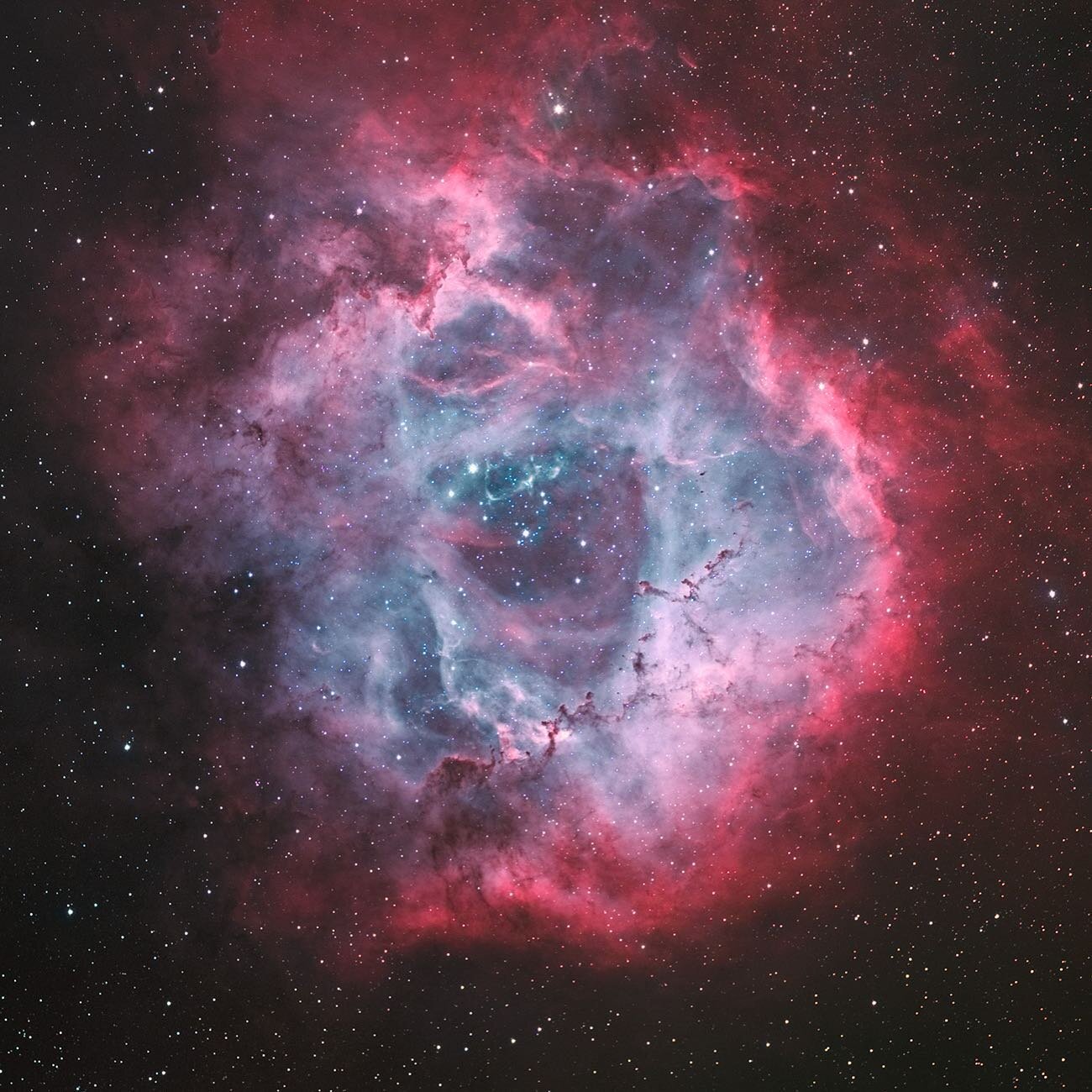
The Herschel 400 Astronomical League Project is underway
It’s not too late to join. We are about 30 objects into the Herschel 400. Hope to get another session in soon. Please subscribe to the YouTube channel so you get notifications on LIVE STREAMS.
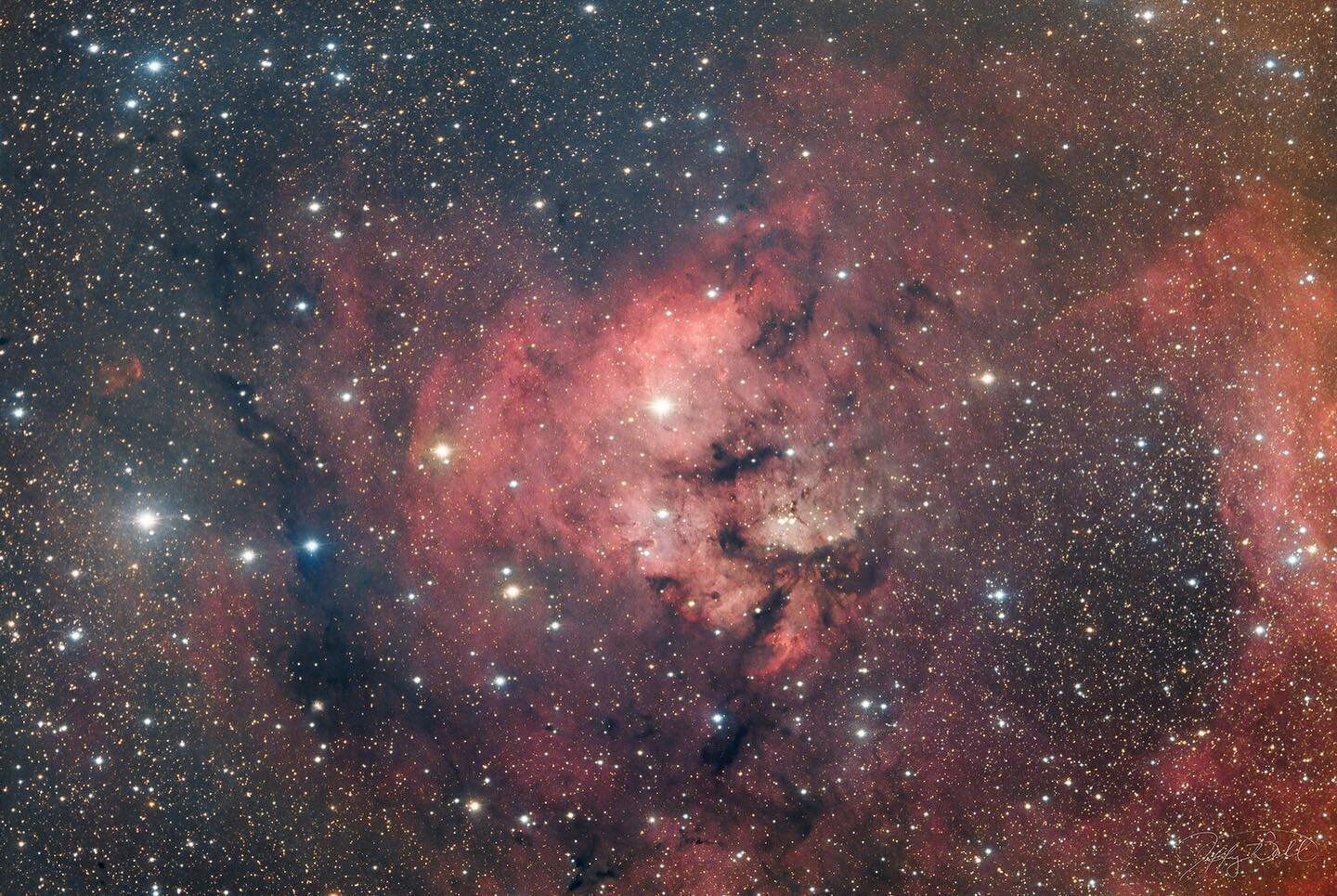
Angels in Monoceros: The Monoceros M2 Complex
The Monoceros R2 molecular complex (often shortened to Mon R2) is a massive giant molecular cloud and one of the nearest active star-forming regions to Earth. It's a dynamic stellar nursery embedded in dense gas and dust, where new stars—particularly massive ones—are actively being born.
Key Facts
Location: Southwestern part of the constellation Monoceros (the Unicorn), near the border with Orion. It's part of the larger Orion-Monoceros cloud complex.
Distance: Approximately 2,400–2,700 light-years (around 830 parsecs).
Size and Structure: The main dense core is relatively compact (a few light-years across), but the overall molecular cloud and associated nebulae span a wide area—reflection nebulae alone stretch up to about 2° in the sky. It's situated well below the galactic plane, which makes it stand out in certain observations.
Age and Activity: Star formation here began roughly 6–10 million years ago. It hosts an OB association (young, hot, massive B- and A-type stars) that illuminates surrounding dust, creating prominent reflection nebulae with bluish hues. There's also significant emission from ionized gas (red glows) and dark nebulae that appear as shadowy silhouettes blocking background light.
Notable Features:
A central hub of massive star formation with embedded clusters, molecular outflows, and HII regions.
Infrared observations (like those from VISTA or 2MASS) penetrate the dust to reveal hidden young stars and protoplanetary disks.
It's a key site for studying early stellar evolution, variability in young stellar objects (YSOs), and the interplay between massive stars and their natal clouds.
The most famous and photogenic part of Mon R2 is the region around NGC 2170 (the Angel Nebula), a striking reflection nebula with wing-like dust structures, glowing blue from scattered starlight, mixed with red emission and dark lanes. Wider views of the complex reveal a richer tapestry of colorful gas, dust filaments, and star clusters.
Credit: GROK 2/28/26
Click on image for larger view.
New Astro Camera: OM-3
Join me for a LIVE conversation about this new astro camera coming to the market. Is this the best option for you? How does it compare to other options? https://www.earthandskyphoto.com Correction: when discussing Bulb mode with Canon, I incorrectly said it had a limit of 30”. I meant to say manual exposure has a max of 30”. In bulb, you need to use a remote control or app for exposure time control. The problem is you can’t set exposure time for stills in the camera menu. I was made aware that Olympus no longer owns the OM system. It is owned by Japanese industrial Partners, a private equity firm. For content on the OM-3 for astrophotography, please see Ben Chapell’s Narrow Band channel. https://youtube.com/@TheNarrowbandChannel?si=GcWY-BM9skG9LPhY
A Beauty of a Night
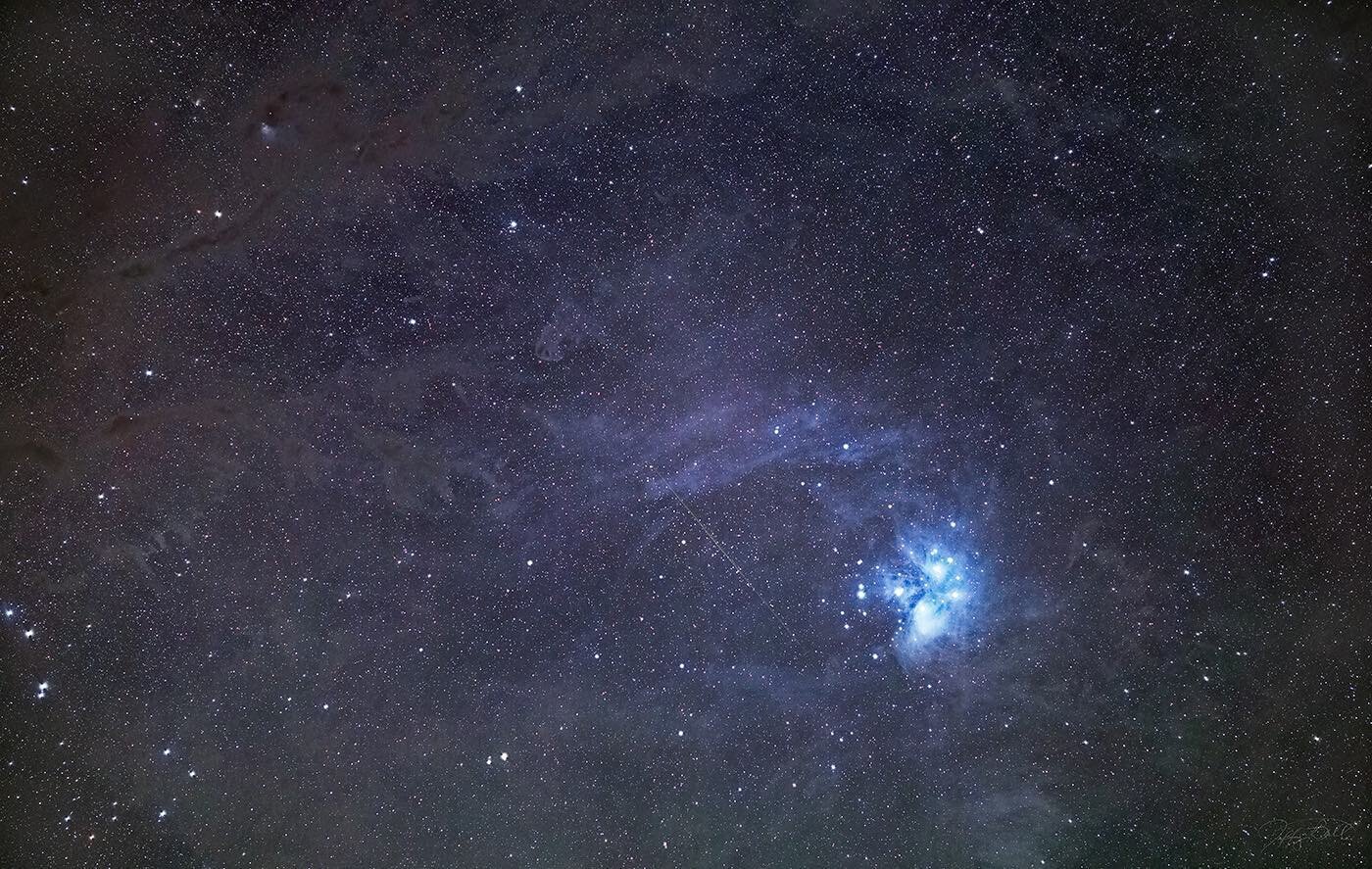
I was able to scoot away for a night at Calhoun County Dark Sky Park on November 18. It had been one year since I had been to Calhoun….way too long! There was a bit of a Moon early in the evening, I added some green and blue data to my backyard project of the vdB152 area. It is a stunning complex of dust and gas in Cepheus. I also began to gather some full frame data on the Pleaides. It had been a few years since I visited this iconic area and wanted to give some new techniques a workout. It was some of the best data I have ever acquired. I am very happy with the work from the evening. I still have more data to get on the vdB152 area to really do what I envision with that area. This will have to wait until 2024.
The West Virginia Astrophotogrphy Association was holding a star-party at Calhoun that weekend as well. If you are looking to learn more about astrophotography, this is a wonderful group to seek out and become an active member.
Please enjoy the new images and video where I update the developmental progress at the park. We are very blessed to have this facility in West Virginia. Clear skies.
Please see links to my Astrobin page for details on image acquisition. Link on my contact page.

vdB152

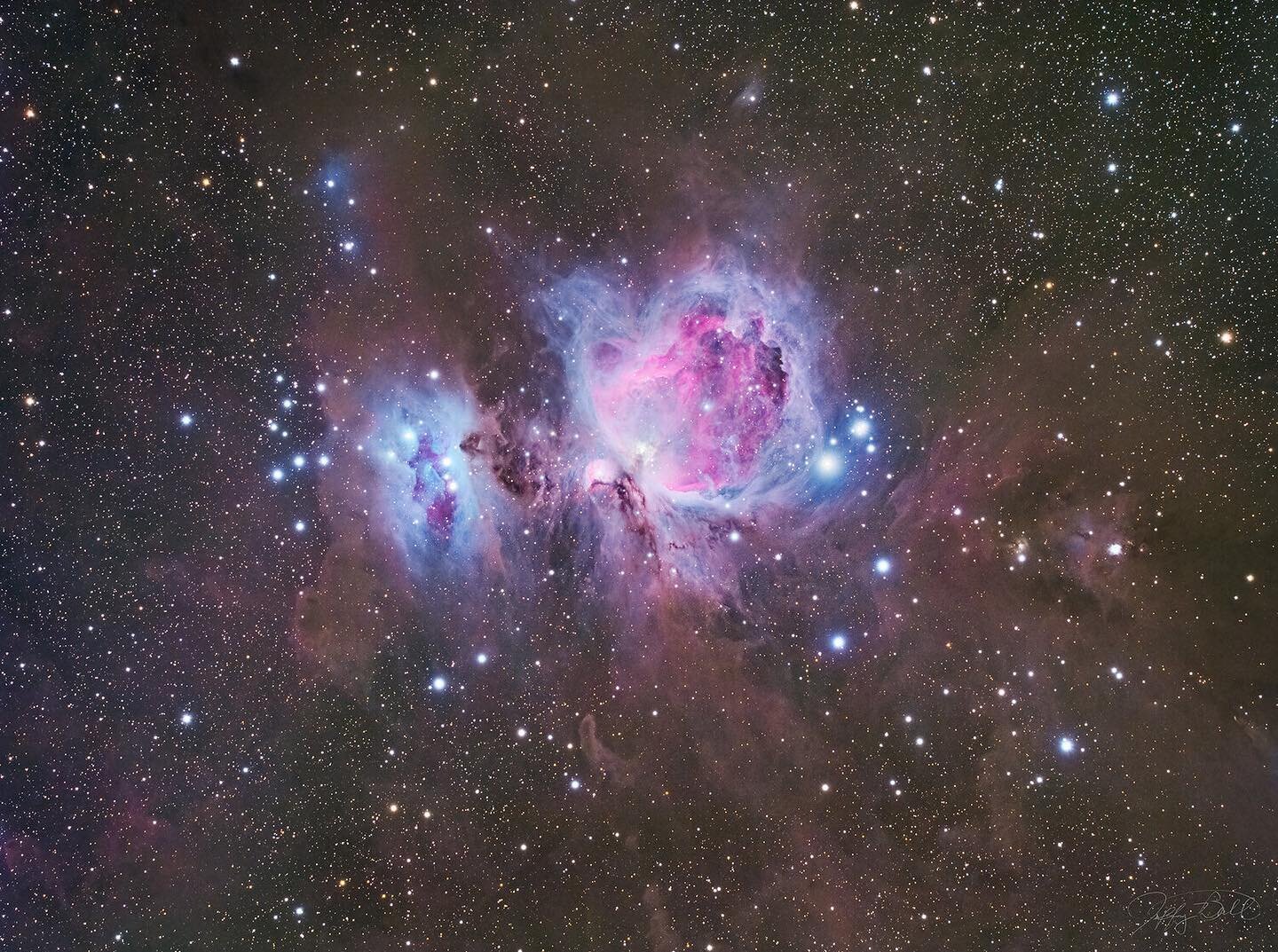
Orion Nebula 2023

Orion Constellation and Milky Way Ha Clouds

Pleiades 2023
Annular Eclipse 2023 Bailey’s Beads from Canyonlands National Park
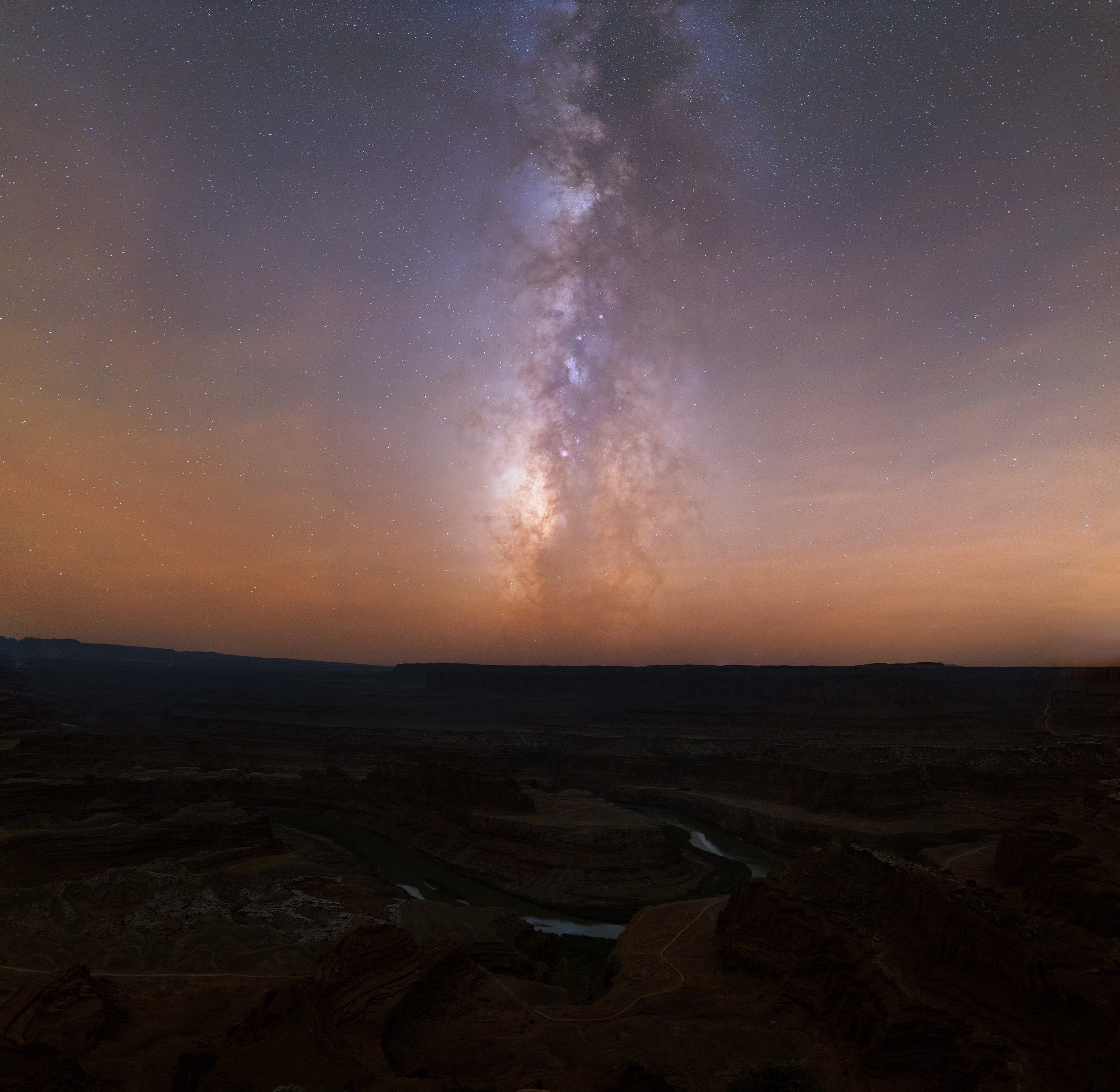
Milky Way over Deadhorse Point, UT
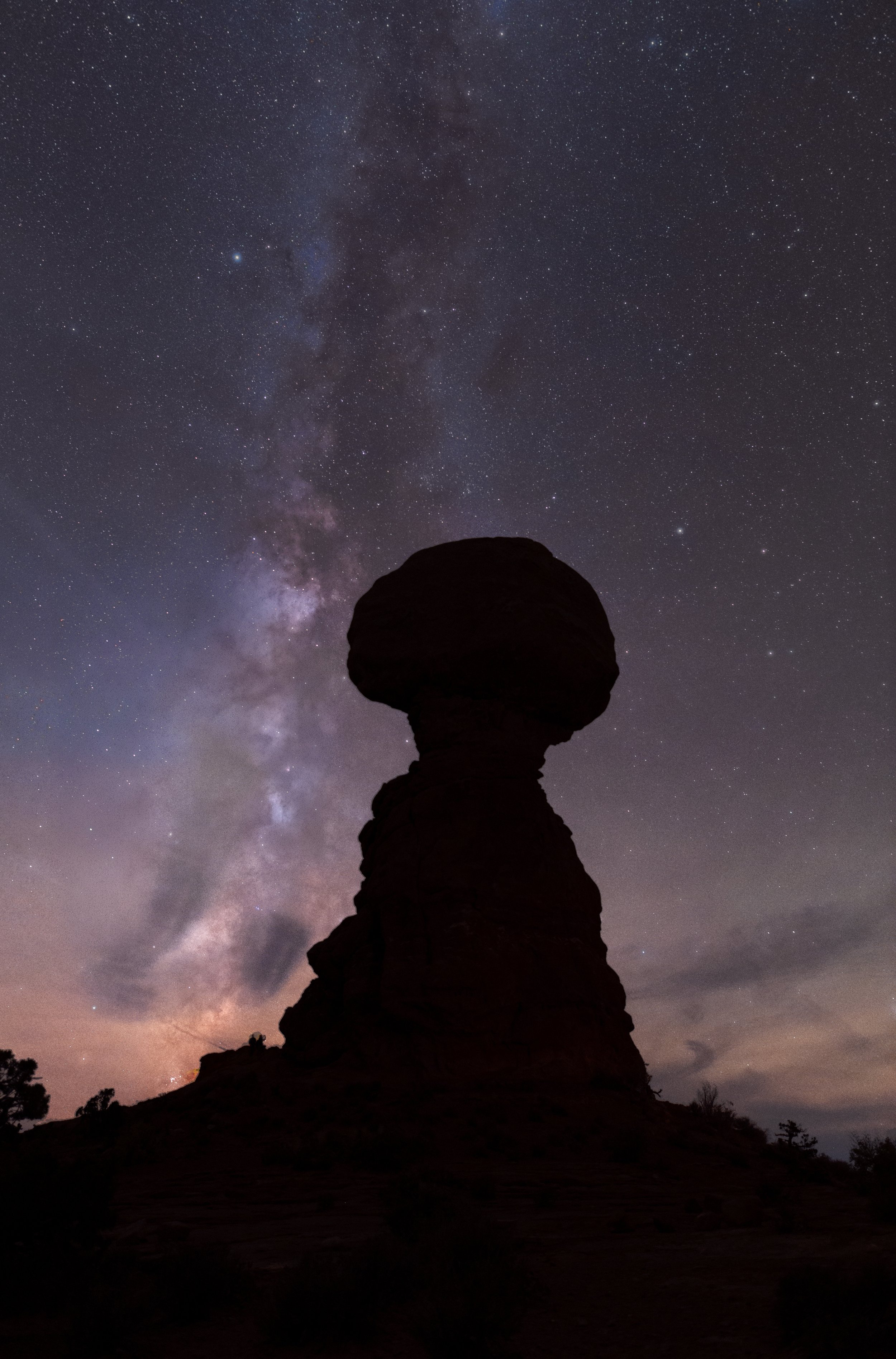
Milky Way over Balanced Rock in Arches National Park
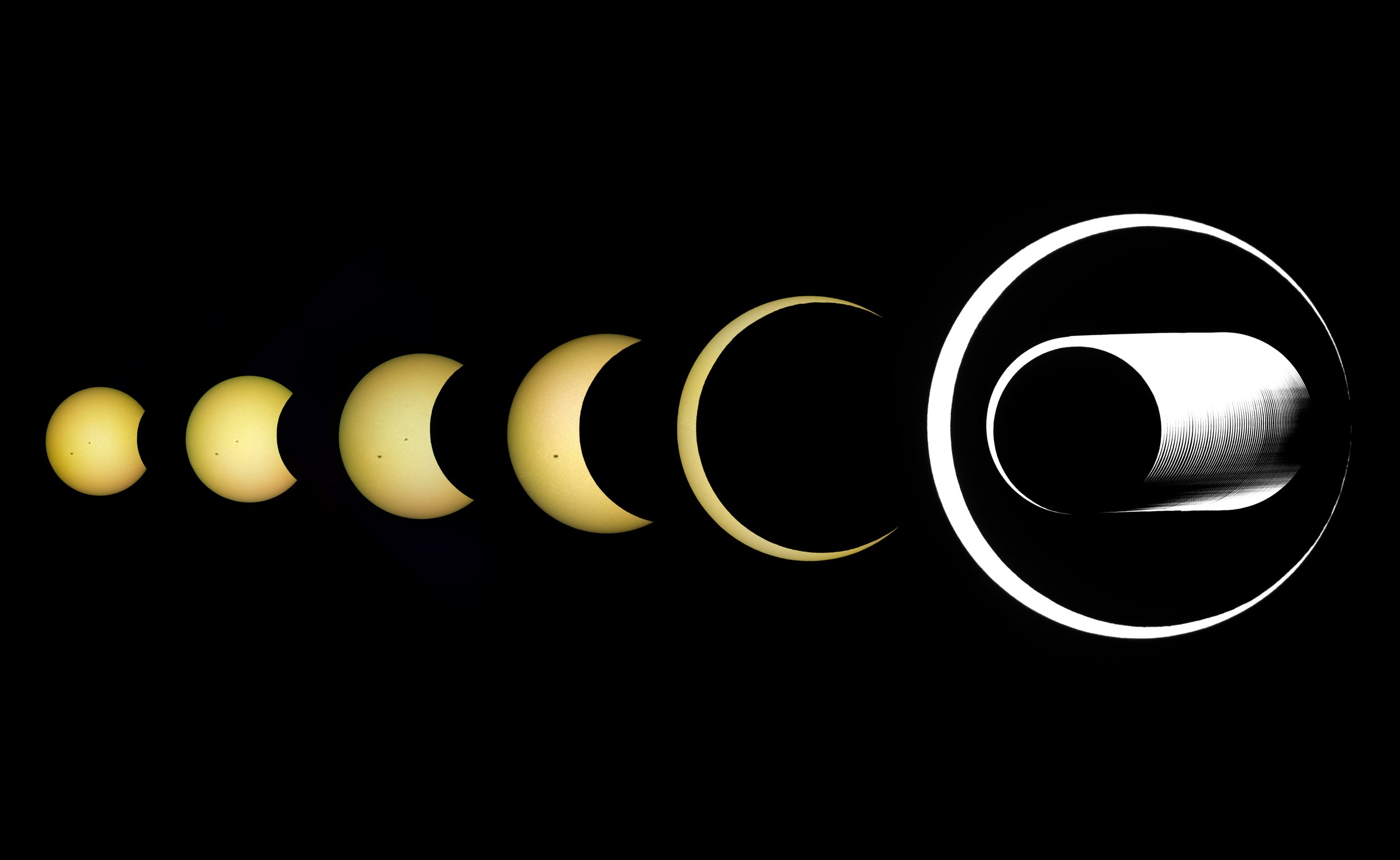
The Annular Eclipse in phases and Bailey’s Beads. For a complete presentation, please see the YouTube video linked above.
A September Weekend in Tucker County: Blackwater Falls Astronomy Weekend
I had a chance to scoot up to Blackwater Falls to visit my friend, Brent Maynard, and stop by the Astronomy Weekend at Blackwater Falls. I just love this area and wanted to share some of the sights with you. I hope you enjoy my tribute to Tucker County and a little bit of dark sky action.

Foggy morning over Canaan Valley.

Foggy morning looking east in Canaan Valley.

Foggy shadows in Canaan Valley.

Sunset over Blackwater Canyon.

Fred Long Centennial Park overlook.

Spectacular solar prominence.

Sh2-136 Ghost Nebula
Almost Heaven Star Party 2023
The 2023 edition of the Almost Heaven Star Party lived up to its name with three glorious star-filled nights of observing and photography. My experience is best documented in photos and video. Please check out the image below and the YouTube video for a full presentation of the event. For details on the images, please see the Astrobin link in the description of each image.
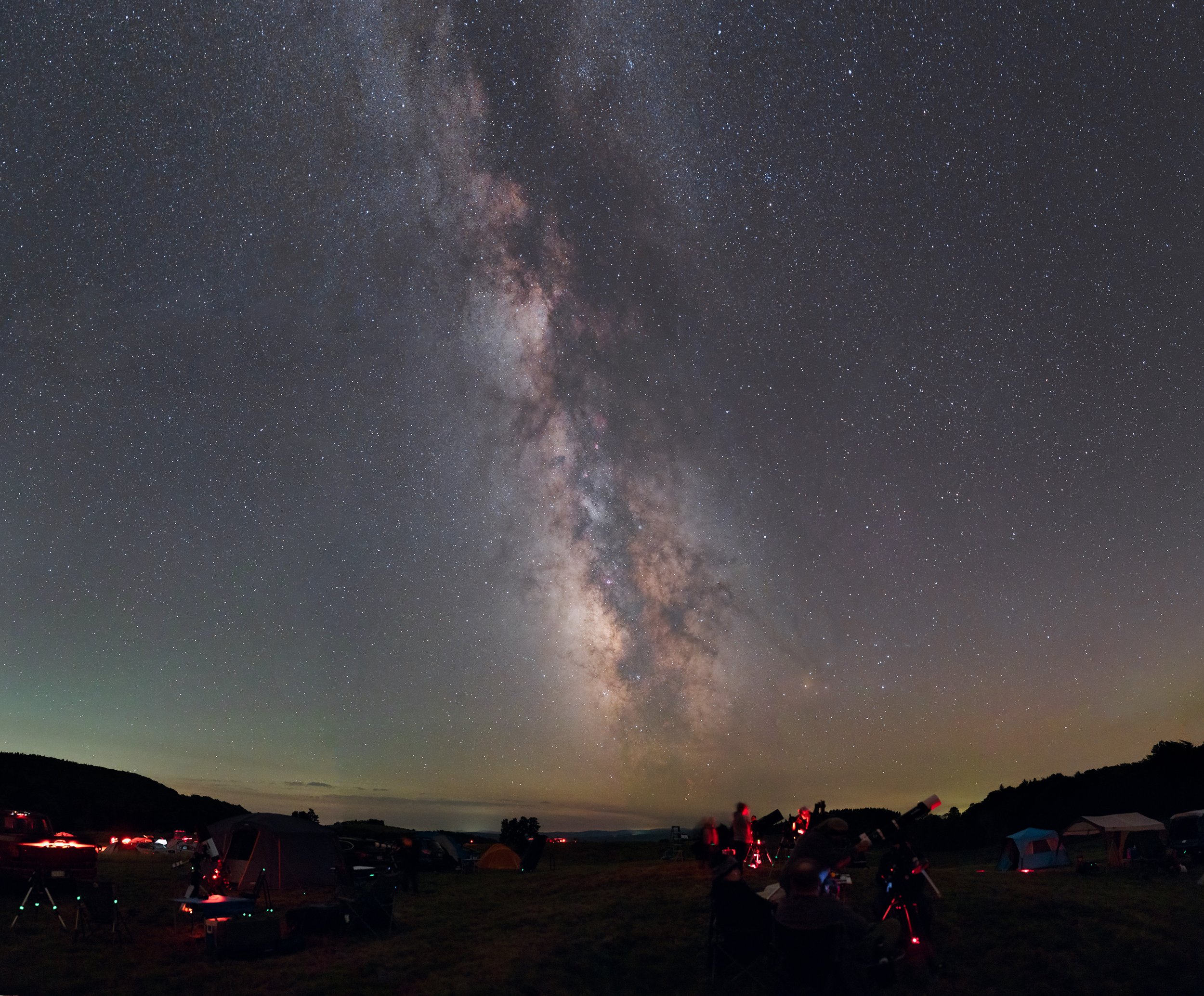
A 7 frame two-row panoramic of the AHSP observing field on Saturday night.

Milky Way in between clouds at Spruce Knob Lake on Thursday night.

Milky Way portrait from Friday night.

Cygnus Milky Way with hydrogen alpha supplementation.

Clamshell Nebula in Cygnus.

Clamshell Nebula in HOO.

Veil Nebula detail in HOO.

Cygnus Loop.

Prominence and sunspot

Prominences
New images while waiting for clouds and smoke to clear
To say it has been a frustrating summer would be an understatement. I haven’t had a good look at the Milky Way yet! Canadian smoke and untimely clouds have really sacked our dark sky opportunities. While waiting…I began a new backyard narrow band project I will detail in an upcoming YouTube video. The area of focus in the Cygnus constellation…one of my faves. I also revisited some data with new techniques and rendered an RGB palette with narrow band data of the North America and Pelican Nebulae. Clear and smoke-free skies!
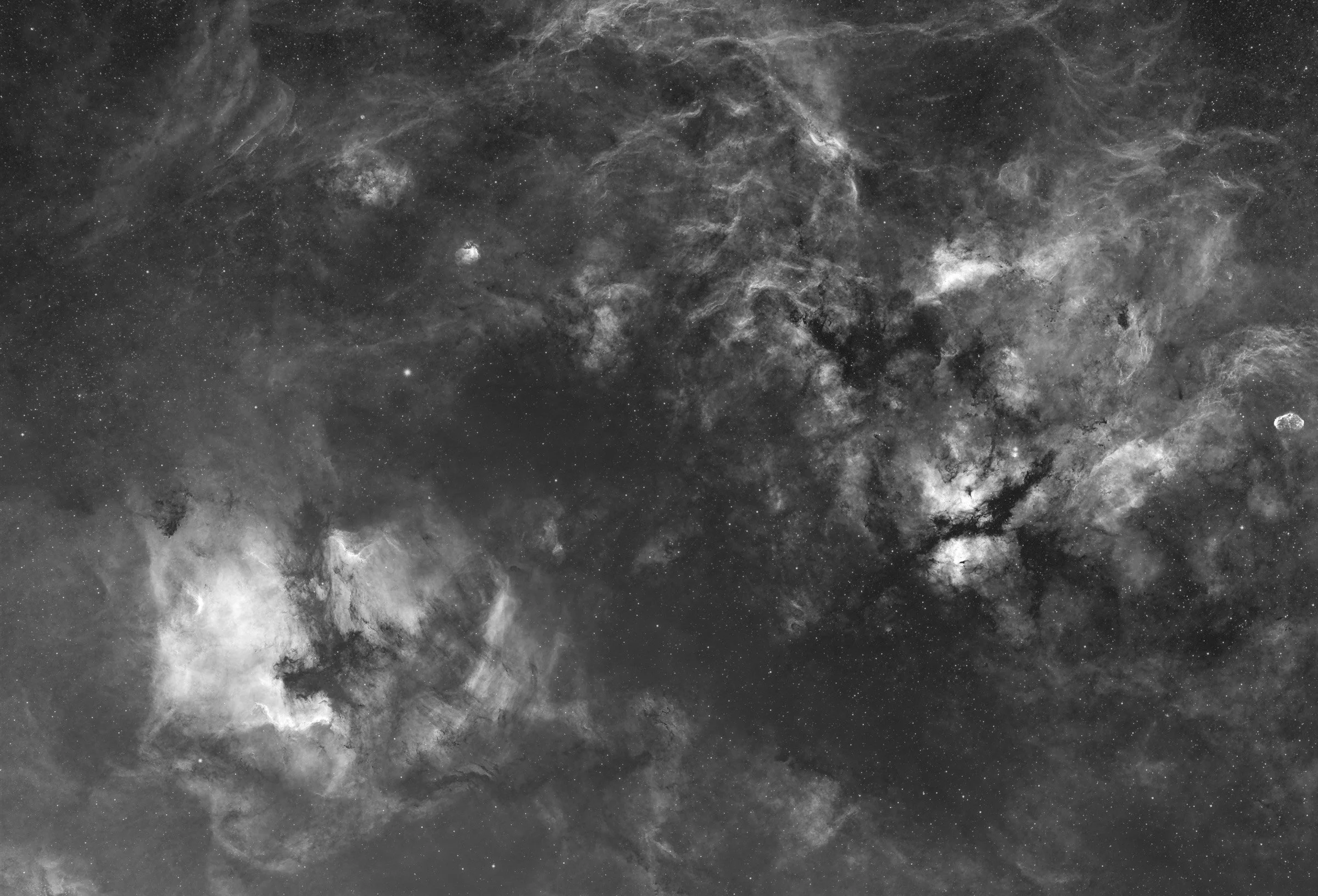
Part of the Cygnus constellation in Hydrogen Alpha wavelength. Adding O3 and SII data when clouds permit.
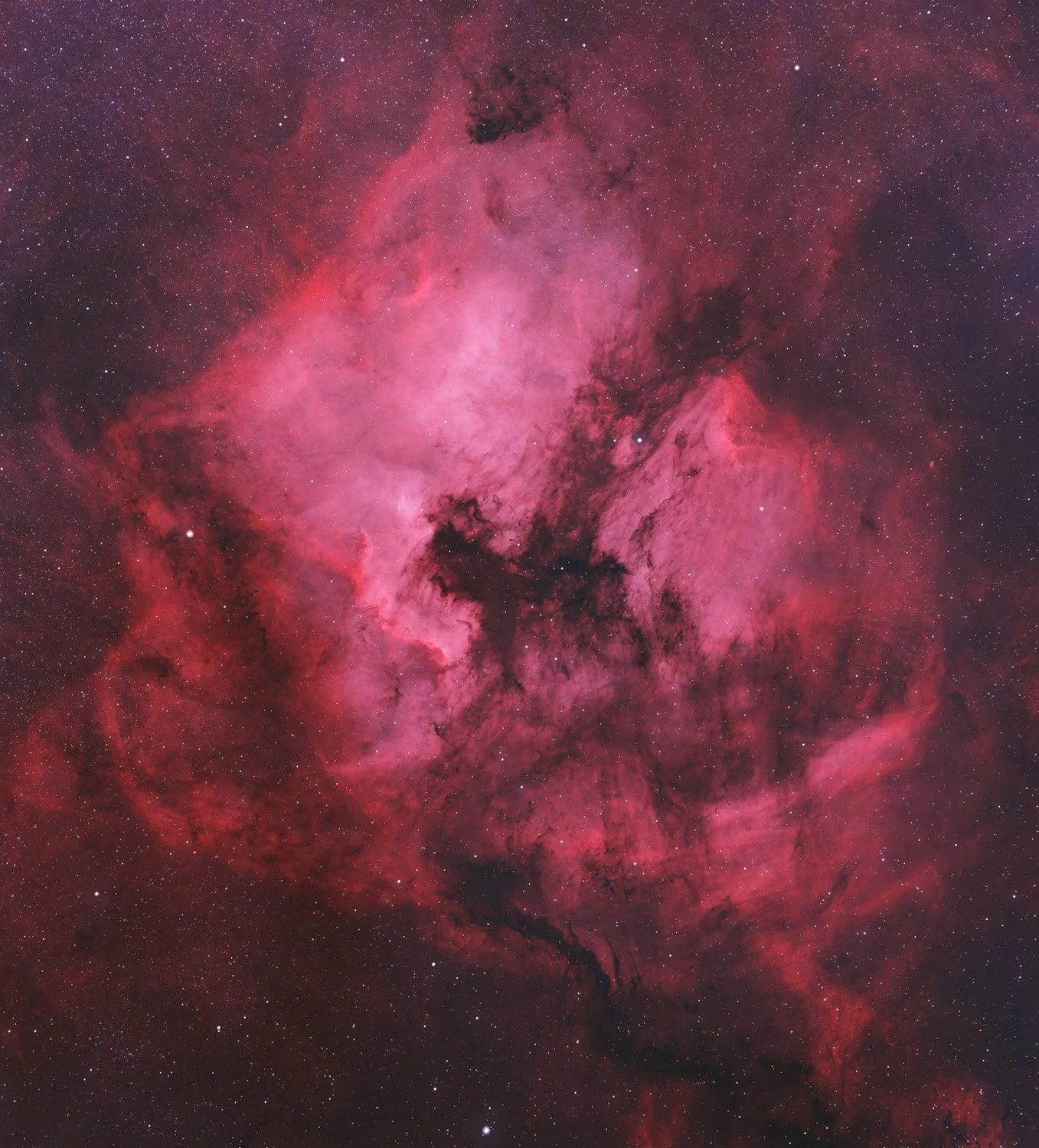
North America and Pelican Nebulae in RGB rendering of narrow-band data.
Jeff's Blog
Join me on photography journeys from desert landscapes to deep sky wonders.