Photographic education
Photographic education never ends. The sources I utilize for continuing education are listed in the links section to the right. Most recently, Charles Cramer provided an update to his Photoshop handbook to his email subscribers for free! Charles is one of, if not the best, photographic instructors in the word today. I owe a great deal of my improvement to his instruction and photographic examples. The update covers a lot of the changes with PS CS4 and there were a lot of changes. I encourage you to visit his website and sign up for his newsletter and to certainly look into taking one of his workshops. I hope to attend one of his Yosemite workshops in the next couple of years myself. One additional note is that I have been working very diligently on the Smoky Mountain portfolio or "folio." This will be an entirely new presentation and one that I really find conducive to my artist vision. I will keep you updated as the folio nears completion. I am expecting the folio to be completed in the next couple of months. Take care and have a great Thanksgiving.
Smoky Mountain Rain
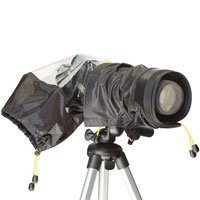
I was hoping for at least one day of rain for atmospheric enhancement on our Smoky Mountain photography trip and boy did we get one. I have more portfolio images from the rainy day than from all others, but I didn't need 1-2 inches of rain, just a mist or a sprinkle would have been just fine. I love the saturation that the rain provides. My gear selection for rain prevention included garbage bags and umbrellas. Many other photographers recommend the garbage bag option as a way to demonstrate frugality. I have now yielded to the more elegant option for rain protection which includes a Kata E-702 camera rain cover from Amazon. I received the unit a few days ago and while I haven't had it out in the elements, it appears to be just what I need. It can cover my 5DMKII with the 24-105 zoom and even the 70-200 f2.8 IS zoom. You can find more information at Amazon or by Googling Kata. This will now be a permanent part of my supplemental bag for those rainy/snowy days. Can't wait to use it on our return Smoky's trip in April!
What a treat!
I don't know why I took so long to take a photographic visit to the Great Smoky Mountains National Park. I can tell you that it won't take me long to visit the park again. I returned this past Thursday from 5 wonderful days of landscape photography in the park. The visit exceeded my expectations. There were many wonderful moments of exciting photography from changing lighting conditions, dramatic sunrises, wonderful streams, perfect fall leaves, and wildlife including elk and bear. I love the western U.S. locations, but GSMNP is second to none of these locations and I plan on it becoming a frequent location for me in the future. I have just completed my first work through on the images in Adobe Light Room. I will keep you updated on the progress of the images. My plan is to publish a PDF portfolio of the images within the next few months. Plans are underway for a spring visit in late April 2010.
Smoky Mountains Here I Come
Tomorrow morning I will be heading to the Smoky Mountains for 5 days of landscape photography. My trip will be based out of Cherokee and I hope to capture some of the wonderful beauty of the area at this gorgeous time of year. Many things are in the works behind the scenes; astrophotography work continues with a new portfolio and entirely new presentation evolving both in digital as well as printed formats. I am very excited about these presentations, but they are going to take a while to complete. I may produce a smaller portfolio with the same formats from the Smoky Mountains if the work merits such a presentation. I hope all is well and please drop me a line. See you next week.
Hello again!
My apologies for being absent. The past few weeks I have been training for a Multiple Sclerosis Bike Ride. Yes, I was new to biking as well, so it was a lot of effort to get ready for the 150 mile ride over two days. The ride went very well and I am getting very comfortable on the bike now. I am even a few pounds lighter now! There is a lot going on right now with photography and I will provide updates over the next few posts. Both astrophotography and landscape photography efforts are under way. I am also learning some new ways of presenting images and will be sharing my experiences here on the blog on that as well. So just wanted to touch base again and wish you well. See you soon with more info. Take care.
The Herschel 400 Astronomical League Project is underway
It’s not too late to join. We are about 30 objects into the Herschel 400. Hope to get another session in soon. Please subscribe to the YouTube channel so you get notifications on LIVE STREAMS.
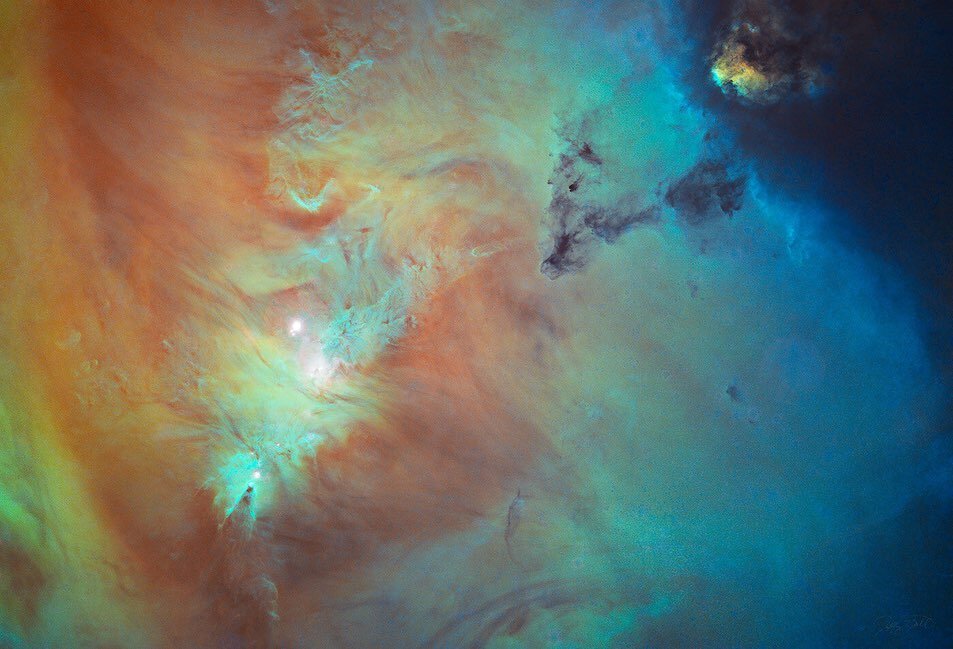
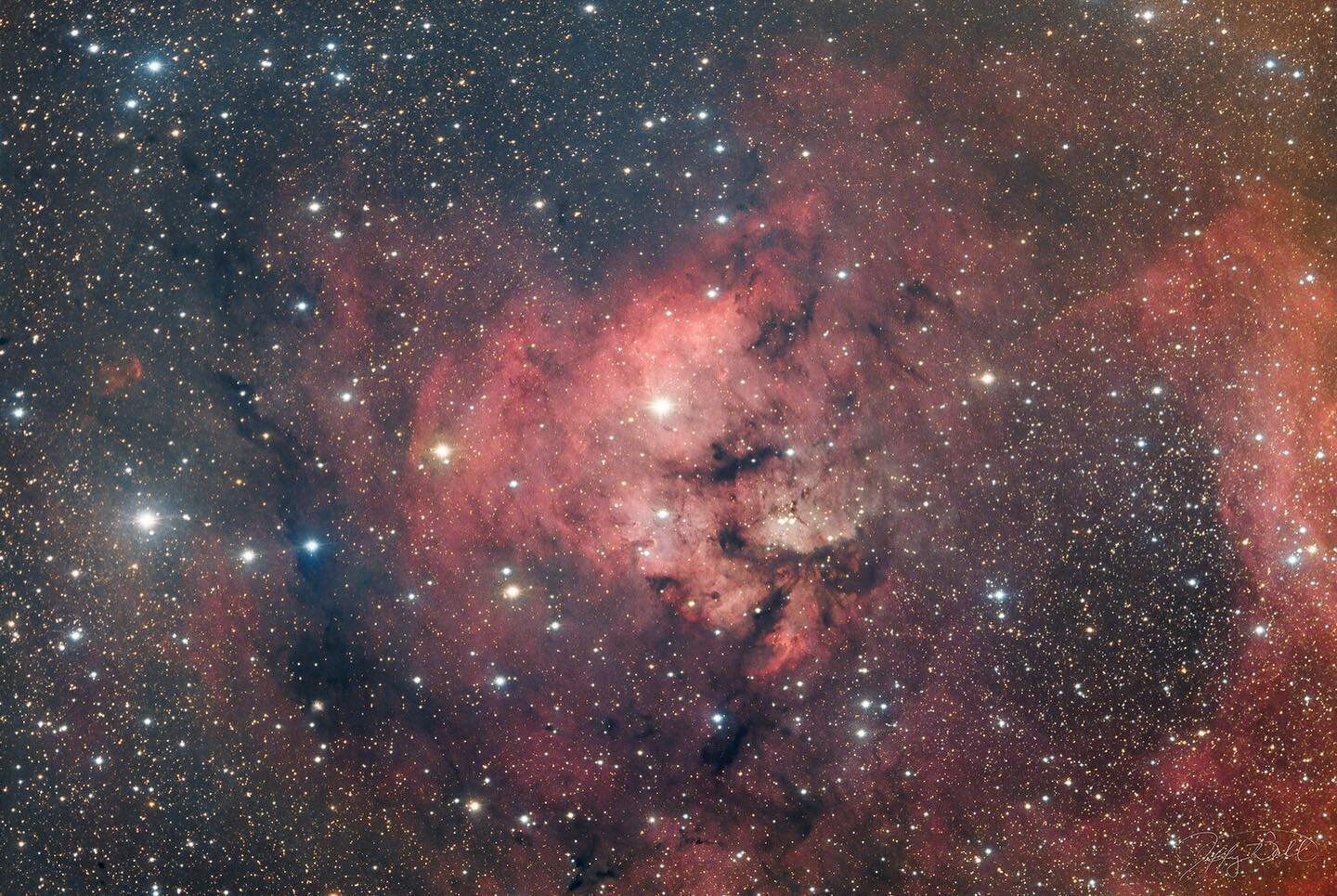
Angels in Monoceros: The Monoceros M2 Complex
The Monoceros R2 molecular complex (often shortened to Mon R2) is a massive giant molecular cloud and one of the nearest active star-forming regions to Earth. It's a dynamic stellar nursery embedded in dense gas and dust, where new stars—particularly massive ones—are actively being born.
Key Facts
Location: Southwestern part of the constellation Monoceros (the Unicorn), near the border with Orion. It's part of the larger Orion-Monoceros cloud complex.
Distance: Approximately 2,400–2,700 light-years (around 830 parsecs).
Size and Structure: The main dense core is relatively compact (a few light-years across), but the overall molecular cloud and associated nebulae span a wide area—reflection nebulae alone stretch up to about 2° in the sky. It's situated well below the galactic plane, which makes it stand out in certain observations.
Age and Activity: Star formation here began roughly 6–10 million years ago. It hosts an OB association (young, hot, massive B- and A-type stars) that illuminates surrounding dust, creating prominent reflection nebulae with bluish hues. There's also significant emission from ionized gas (red glows) and dark nebulae that appear as shadowy silhouettes blocking background light.
Notable Features:
A central hub of massive star formation with embedded clusters, molecular outflows, and HII regions.
Infrared observations (like those from VISTA or 2MASS) penetrate the dust to reveal hidden young stars and protoplanetary disks.
It's a key site for studying early stellar evolution, variability in young stellar objects (YSOs), and the interplay between massive stars and their natal clouds.
The most famous and photogenic part of Mon R2 is the region around NGC 2170 (the Angel Nebula), a striking reflection nebula with wing-like dust structures, glowing blue from scattered starlight, mixed with red emission and dark lanes. Wider views of the complex reveal a richer tapestry of colorful gas, dust filaments, and star clusters.
Credit: GROK 2/28/26
Click on image for larger view.
New Astro Camera: OM-3
Join me for a LIVE conversation about this new astro camera coming to the market. Is this the best option for you? How does it compare to other options? https://www.earthandskyphoto.com Correction: when discussing Bulb mode with Canon, I incorrectly said it had a limit of 30”. I meant to say manual exposure has a max of 30”. In bulb, you need to use a remote control or app for exposure time control. The problem is you can’t set exposure time for stills in the camera menu. I was made aware that Olympus no longer owns the OM system. It is owned by Japanese industrial Partners, a private equity firm. For content on the OM-3 for astrophotography, please see Ben Chapell’s Narrow Band channel. https://youtube.com/@TheNarrowbandChannel?si=GcWY-BM9skG9LPhY
Jeff's Blog
Join me on photography journeys from desert landscapes to deep sky wonders.