Elakala Falls with Black and White Interpretation
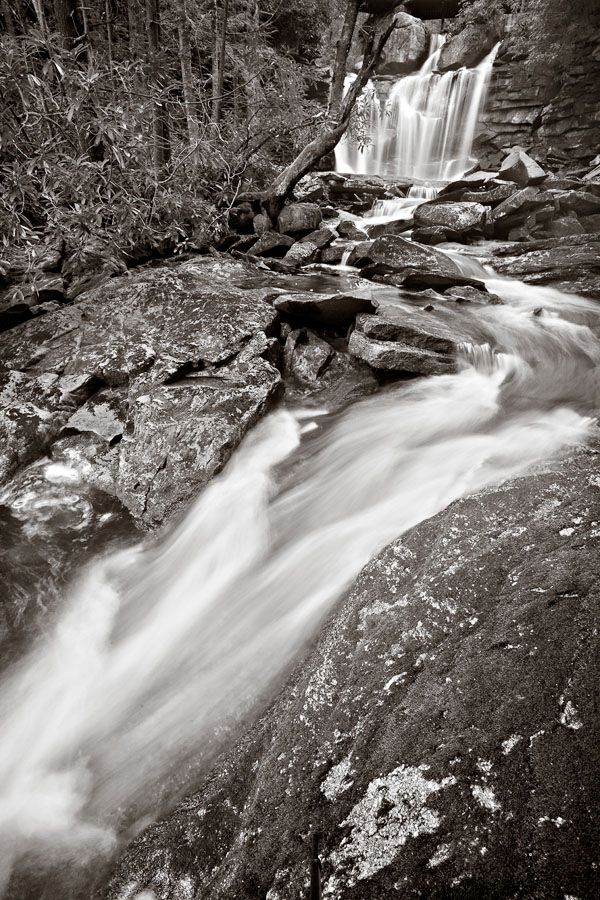 Elakala Falls Black and White DownstreamIt is important to experment with black and white interpretations of scenes when the color component is not critical and the image is more about light and structure. Flowing water lengs itself very nicely to black and white interpretations. This is not my primary visualization while in the field, but it is one that we need to be mindful of if we are not inclined to view a scene in the eyes of black and white.
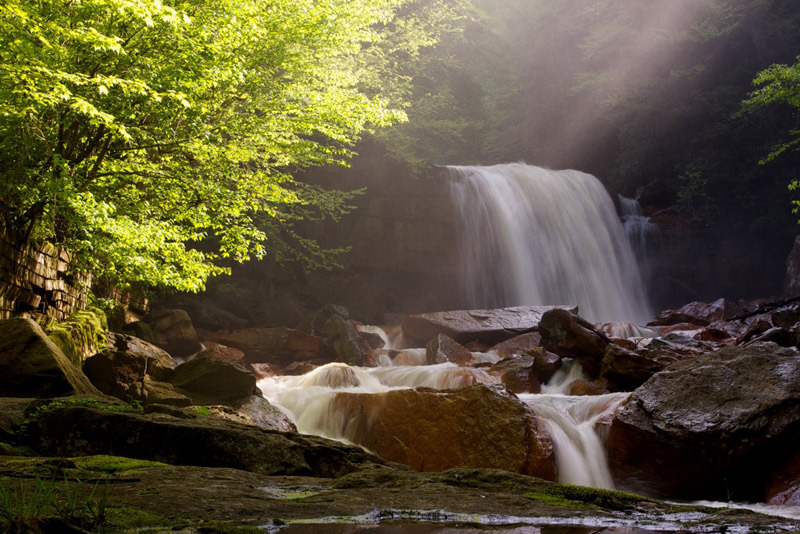
Forest Mist
 Forest MistSome of the best photographic opportunities are with fog, rain, and mist in the atmosphere. These elements provide a beautiful light in the forest and one simply has to be on the lookout for the more intimate landscape setting that captures the emotion of the scene. This image is from the 2011 workshop. To see the full size image please click on the link and then click on the image thumbnail for lighbox presentation.
"Mountains of Color" fall photography workshop registration is now OPEN
 Tree Portrait-Dolly Sods National Recreation AreaHello! I am very excited to announce that the registration for the "Mountains of Color" fall photography workshop is now OPEN. Please review the website and if this workshop looks like one you would like, please register early and secure your hotel or camping accomodations early as spaces are filling up fast. This is one of the golden times to be in the highlands of West Virginia. Not only will we be in the midst of beautiful scenery, we will be learning some great photography approaches and developing friendships with fellow photographers. It is a great fun learning environment. If you have any questions please don't hesitate to contact me. I hope you can join us for this great weekend of beautiful photography.
Lindy Point Sunset
Our workshop group was treated to many great sites and one was this sunset from Lindy Point. My favorite time for sunsets is actually after sunset to see if we get beautiful light on the clouds. While we do mostly photograph flowing water, we seek out great light and opportunities in other landscapes during the workshop. You can see the full size image along with other images from the workshop at this link.
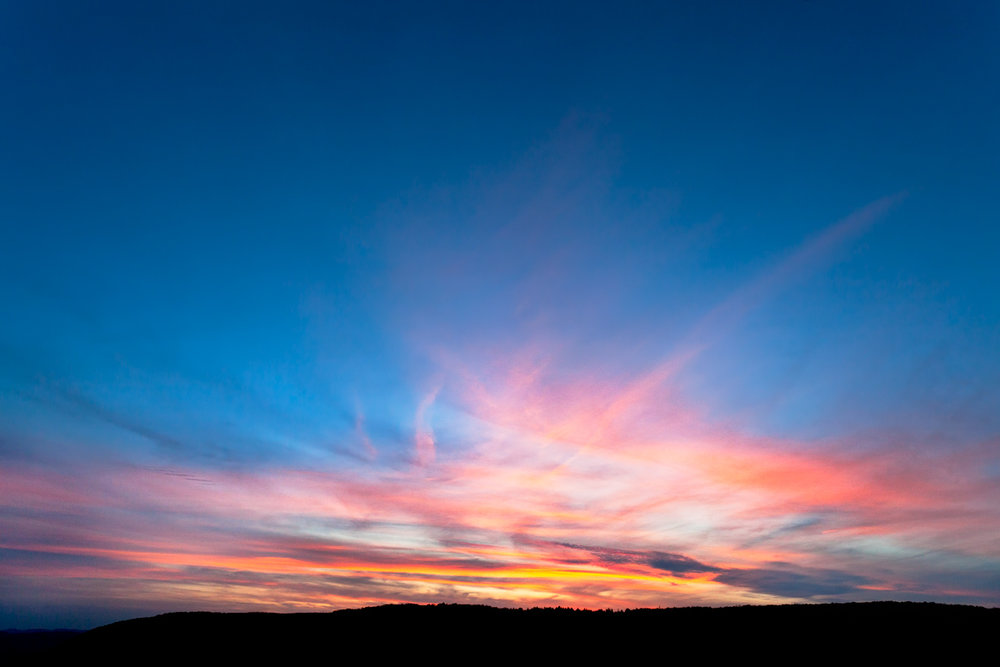 Lindy Point Sunset
Student Gallery Now Open
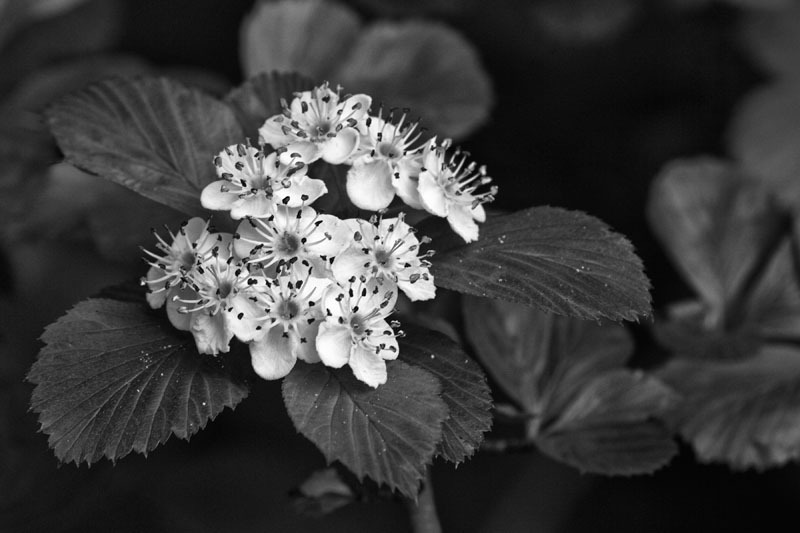 I am very excited to open the new "Student Gallery." Here is where we will present images by students from our workshops. Today we see the images from Bill Carey and Dennis Hanson added to the gallery from the recent Flowing Water workshop. It was a pleasure meeting both of them and working with them in the field. We all learn something from each other while photographing.
The two galleries are quite interesting in that Bill tended to work with wide and normal lenses while Dennis preferred to work with telephoto lenses. It is a great example of how the similar scenes may be interpreted entirely differently by individual photographers with different gear. Please take a moment to peruse the images and I hope you will join us on a future workshop so that we may add your images to the gallery as well.
The Herschel 400 Astronomical League Project is underway
It’s not too late to join. We are about 30 objects into the Herschel 400. Hope to get another session in soon. Please subscribe to the YouTube channel so you get notifications on LIVE STREAMS.
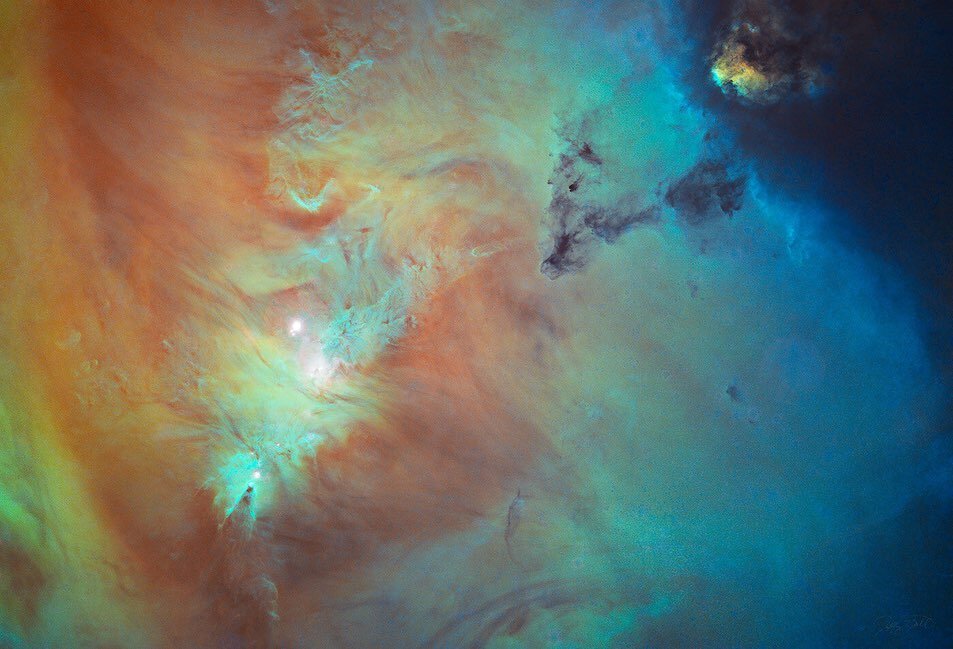
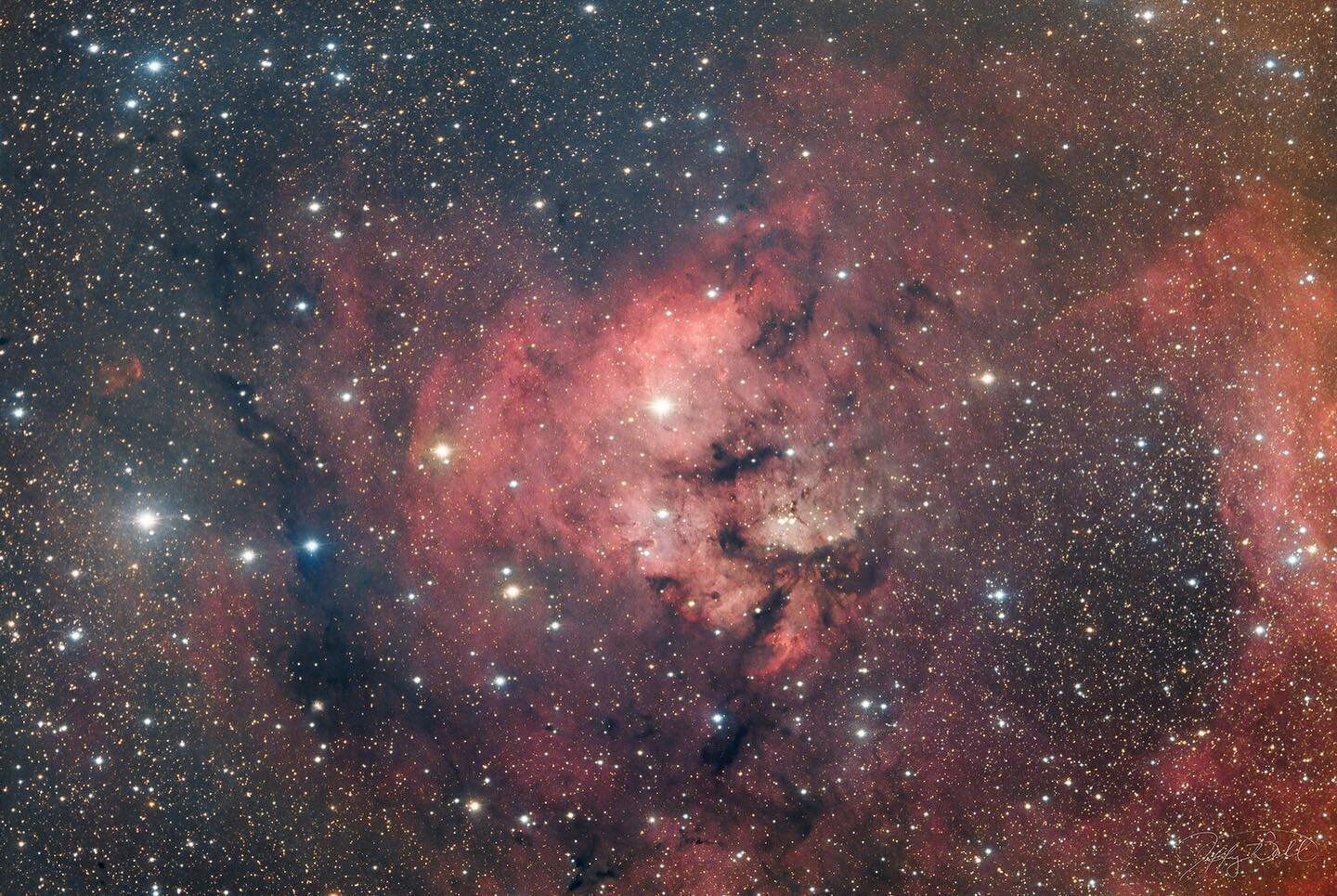
Angels in Monoceros: The Monoceros M2 Complex
The Monoceros R2 molecular complex (often shortened to Mon R2) is a massive giant molecular cloud and one of the nearest active star-forming regions to Earth. It's a dynamic stellar nursery embedded in dense gas and dust, where new stars—particularly massive ones—are actively being born.
Key Facts
Location: Southwestern part of the constellation Monoceros (the Unicorn), near the border with Orion. It's part of the larger Orion-Monoceros cloud complex.
Distance: Approximately 2,400–2,700 light-years (around 830 parsecs).
Size and Structure: The main dense core is relatively compact (a few light-years across), but the overall molecular cloud and associated nebulae span a wide area—reflection nebulae alone stretch up to about 2° in the sky. It's situated well below the galactic plane, which makes it stand out in certain observations.
Age and Activity: Star formation here began roughly 6–10 million years ago. It hosts an OB association (young, hot, massive B- and A-type stars) that illuminates surrounding dust, creating prominent reflection nebulae with bluish hues. There's also significant emission from ionized gas (red glows) and dark nebulae that appear as shadowy silhouettes blocking background light.
Notable Features:
A central hub of massive star formation with embedded clusters, molecular outflows, and HII regions.
Infrared observations (like those from VISTA or 2MASS) penetrate the dust to reveal hidden young stars and protoplanetary disks.
It's a key site for studying early stellar evolution, variability in young stellar objects (YSOs), and the interplay between massive stars and their natal clouds.
The most famous and photogenic part of Mon R2 is the region around NGC 2170 (the Angel Nebula), a striking reflection nebula with wing-like dust structures, glowing blue from scattered starlight, mixed with red emission and dark lanes. Wider views of the complex reveal a richer tapestry of colorful gas, dust filaments, and star clusters.
Credit: GROK 2/28/26
Click on image for larger view.
New Astro Camera: OM-3
Join me for a LIVE conversation about this new astro camera coming to the market. Is this the best option for you? How does it compare to other options? https://www.earthandskyphoto.com Correction: when discussing Bulb mode with Canon, I incorrectly said it had a limit of 30”. I meant to say manual exposure has a max of 30”. In bulb, you need to use a remote control or app for exposure time control. The problem is you can’t set exposure time for stills in the camera menu. I was made aware that Olympus no longer owns the OM system. It is owned by Japanese industrial Partners, a private equity firm. For content on the OM-3 for astrophotography, please see Ben Chapell’s Narrow Band channel. https://youtube.com/@TheNarrowbandChannel?si=GcWY-BM9skG9LPhY
Jeff's Blog
Join me on photography journeys from desert landscapes to deep sky wonders.